Vaginal discharge is part of the female reproductive cycle and plays a very important role in maintaining vaginal health. This discharge has a smell which, in its normal state, is usually mild and not unpleasant. Although it may vary slightly from woman to woman, in general, it should not have an unpleasant or strong odour. However, when there is a noticeable change, such as a sudden strong odour, this could be a sign of a vaginal infection.
Vaginal infections, such as bacterial vaginosis, vaginal thrush and cystitis, are conditions that can cause changes resulting in a foul-smelling discharge, similar to a metallic or fishy odour. These infections can occur at any time of year, but are more common during the summer due to various environmental and lifestyle factors. According to the Spanish Association of Gynaecology and Obstetrics (SEGO), during the summer months, vaginal infections increase by 50 per cent and account for as much as a third of gynaecological consultations.
Why is this? How can we look after ourselves? Let’s explore the possible causes, why these infections are more common in summer, and recommendations for good intimate hygiene.
Why does this vaginal odour occur during the summer months?
The sunny months are a time when we all enjoy escaping to the beach and the swimming pool, and many of us tend to wear wet swimwear for long periods. Prolonged wear of damp swimwear creates an ideal environment for bacterial growth.
Furthermore, the heat and humidity typical of summer create an environment conducive to bacterial and fungal growth. Sweat and moisture can contribute to the proliferation of bacteria and fungi in the vaginal area, increasing the risk of infections. These infections cause an imbalance in the vaginal flora, altering the vaginal pH and, consequently, the odour of the discharge.
Feminine intimate care: simple, basic tips to help you enjoy yourself without worrying too much
Enjoying the fine summer weather is even more pleasant when we make sure to avoid potential infections. So that you can enjoy yourself without any worries, here are some simple yet effective tips to help you maintain proper hygiene this summer:
Here are the best products specifically designed for your intimate health, so nothing stops you this summer!
The most common vaginal infections
We know they’re common in summer, but do you know what they are? Here’s an explanation of the different types of infections:
Remember that these common infections can be prevented with proper feminine hygiene. See your gynaecologist if you have any concerns.
When you’ve finished your time at the beach or pool, put on dry cotton underwear to prevent dampness in your intimate area.
Drink plenty of fluids. This helps flush out toxins through your urine.
There are also foods that help maintain the pH balance of the vagina. Some of these include: blueberries, garlic and whole grains.
At the beach, avoid sitting for long periods directly on rocks or sand. These surfaces can encourage the growth of bacteria.
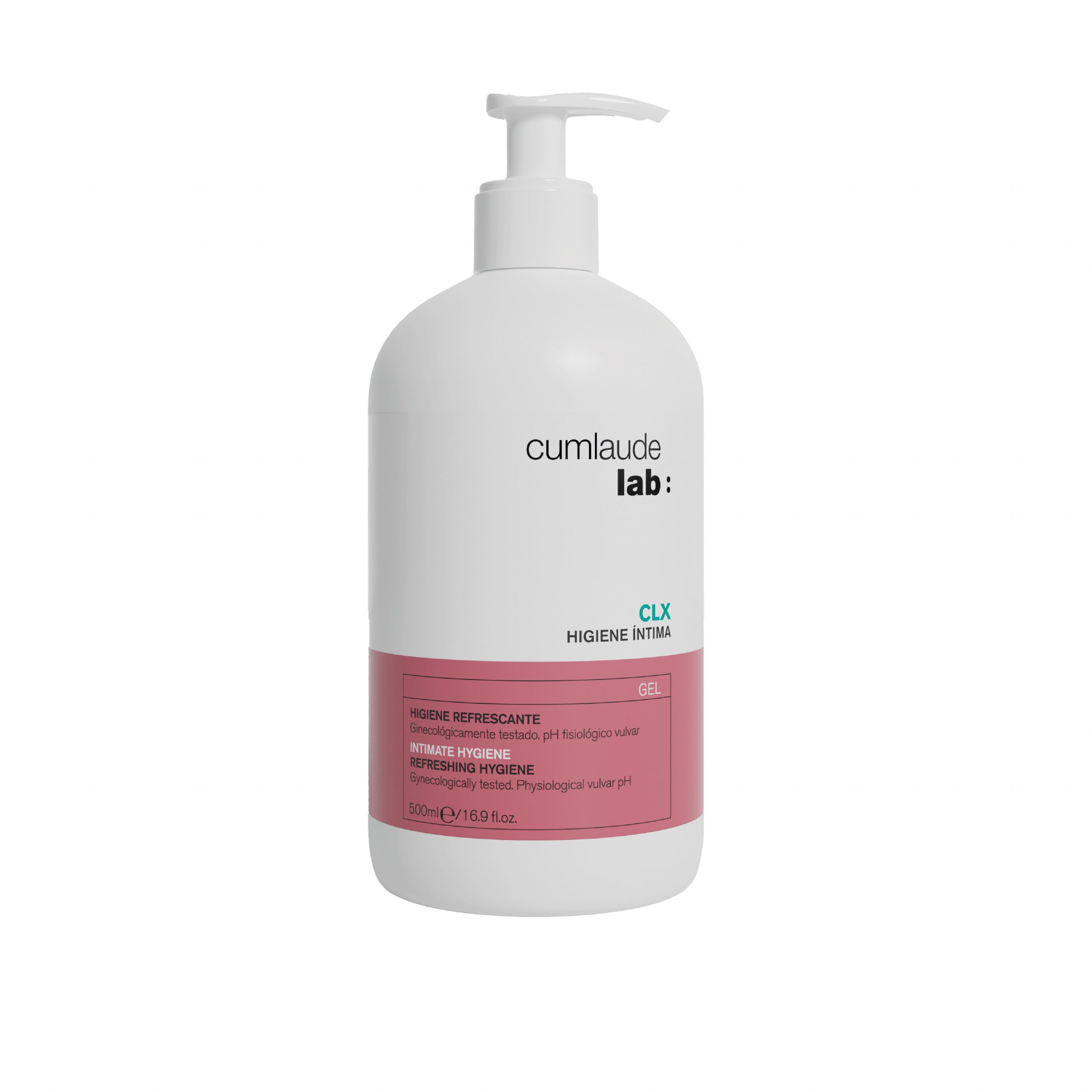
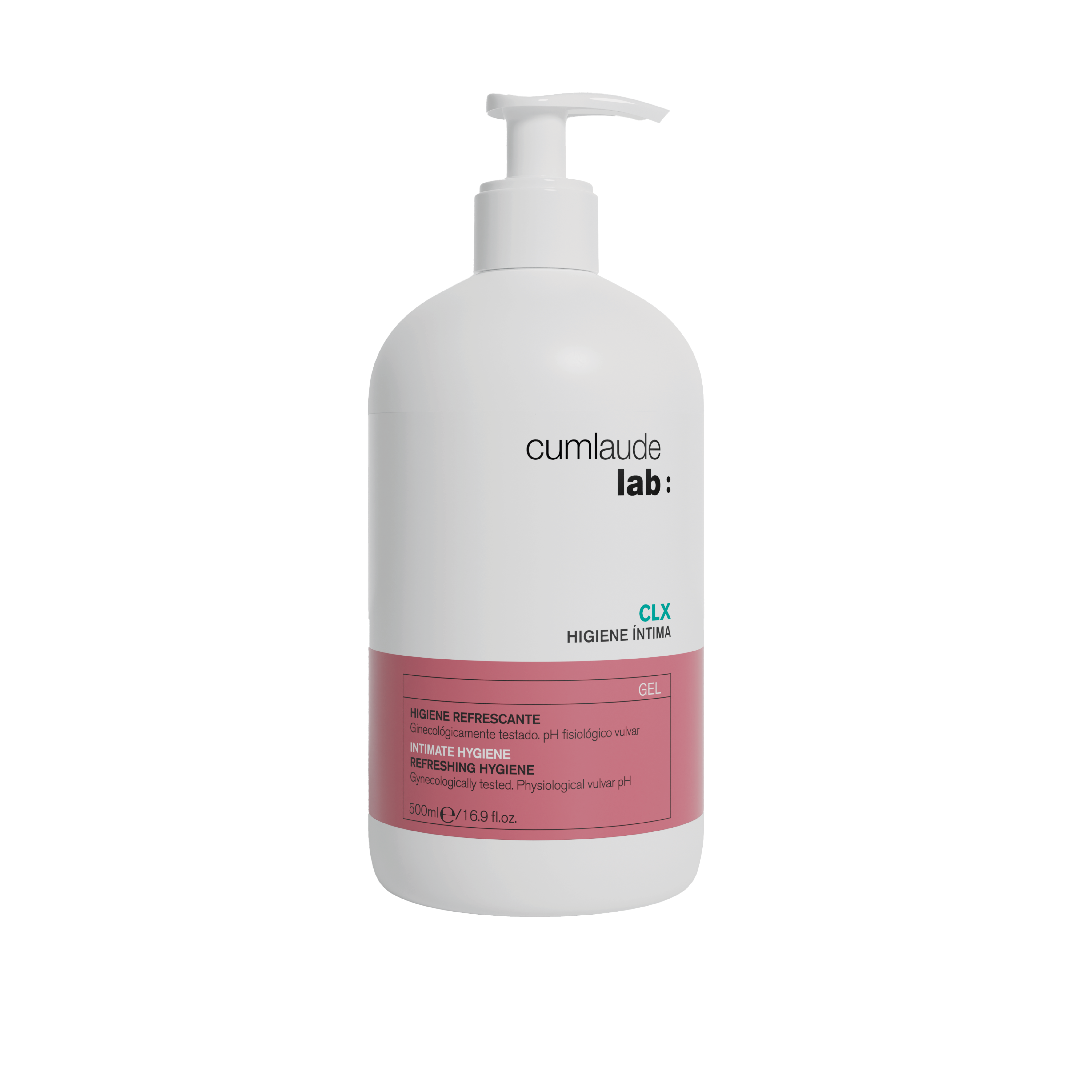
Keep your intimate area clean and dry. When you’ve finished your time at the beach or pool, we recommend using CLX Intimate Hygiene to cleanse the area. This intimate gel for women not only cleanses gently but also contains an antimicrobial complex to protect and refresh.
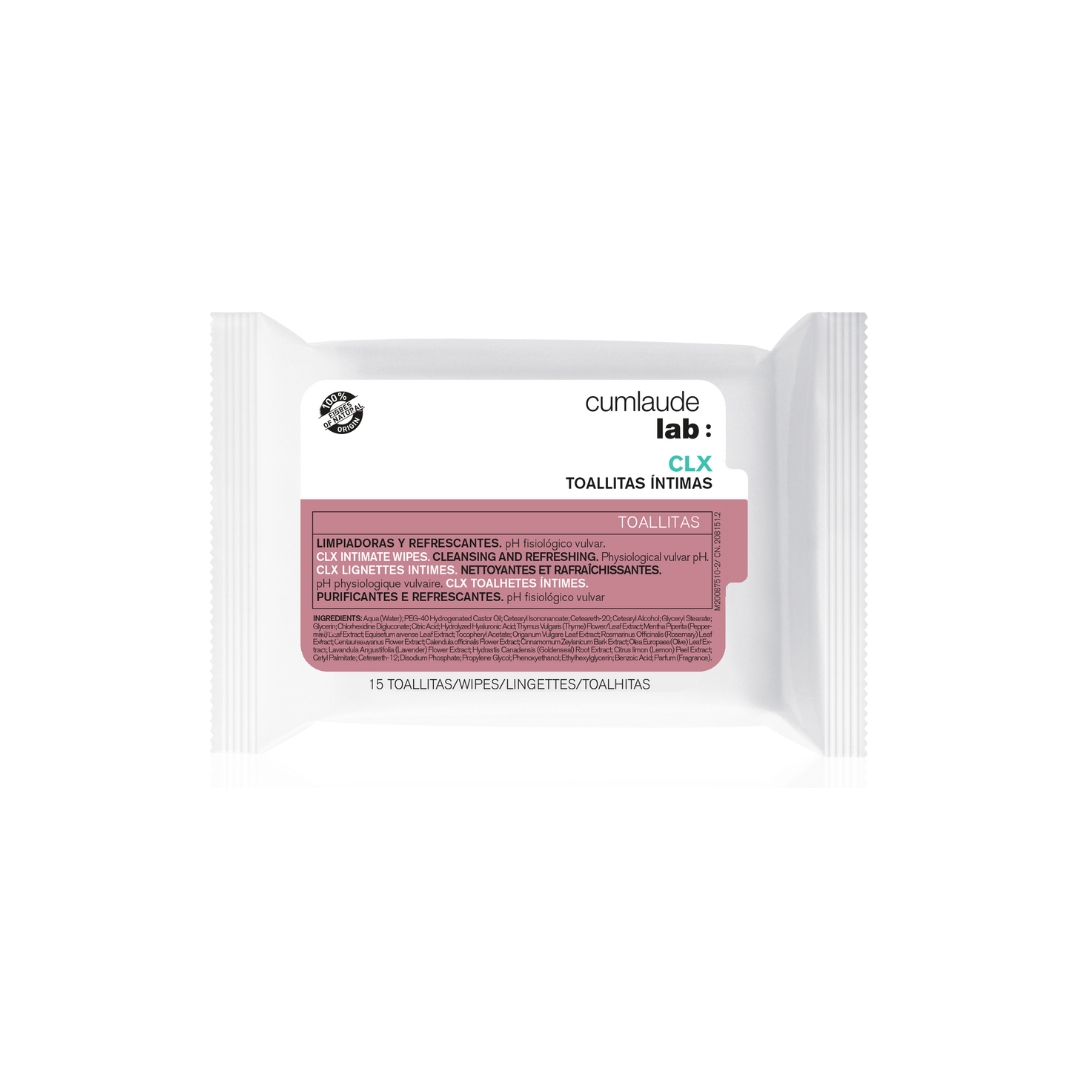
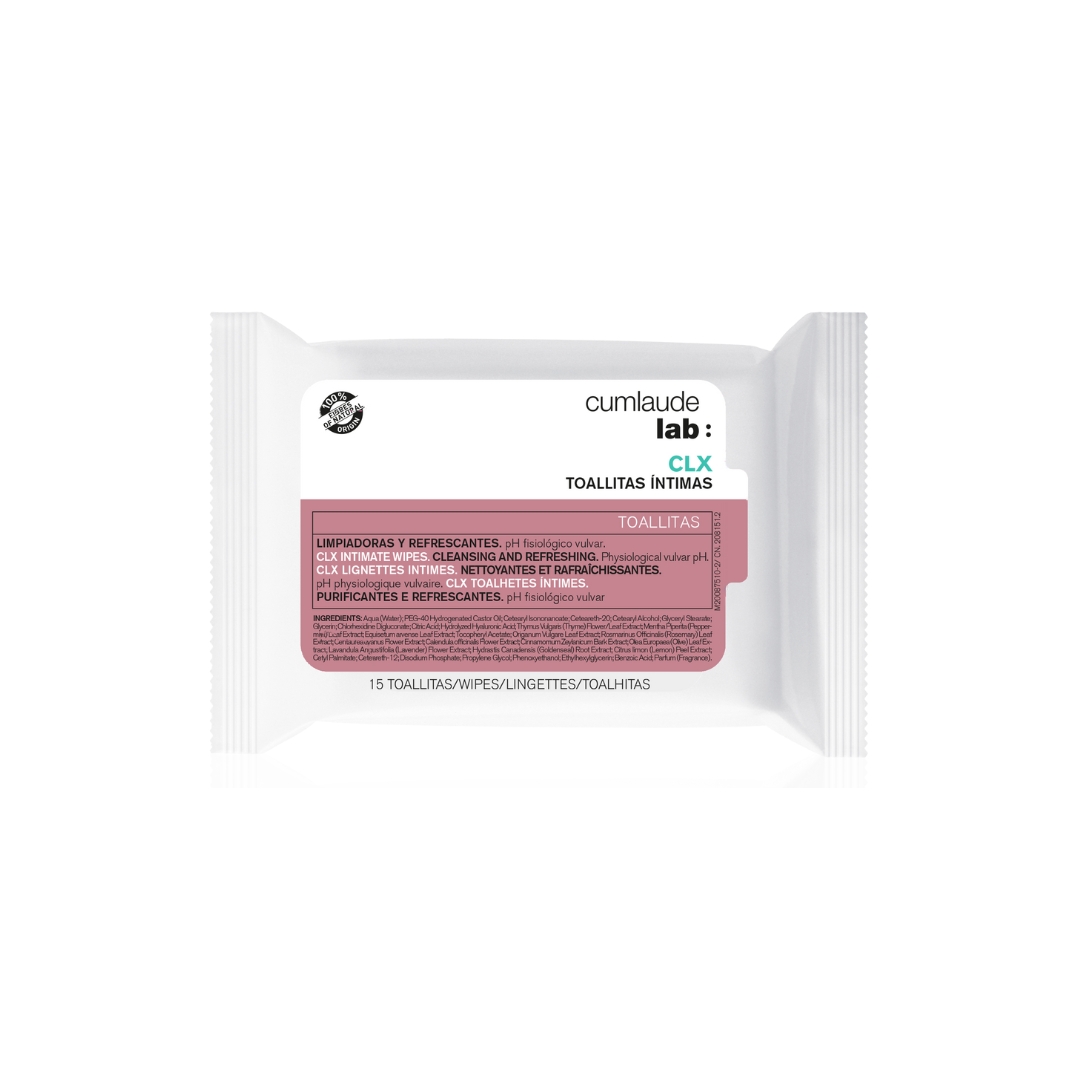
Summer tip! Always carryCLX intimate wipeswith you – they have a refreshing, soothing and moisturising effect. They’re super handy to keep in your handbag or when travelling!
If you tend to suffer from recurrent infections, we recommend usingPrebiotic vaginalsuppositories to strengthen the microbiota and prevent recurrence. Use one suppository every night before going to bed for 10 days, and repeat the process every 3 months.
Bacterial vaginosis, a common infection. It’s mainly recognised by a foul vaginal odour, grey, white or green vaginal discharge, and discomfort and a burning sensation when urinating.
Then there is cystitis, which is more frequently discussed. It is a urinary tract infection that affects the bladder. Although we explain it in more detail here, in general, its main symptoms are pain when passing urine and itching in the intimate area. Thereis also a constant urge to go to the toilet.
Vaginal thrush causes intense itching in the vagina. It affects up to 3 in 4 women at some point in their lives. Symptoms include a watery vaginal discharge, discomfort and itching, as well as a burning sensation when passing urine or having sexual intercourse.


.webp)