< Back
- Article
- Intimate care

All about vaginal discharge
by Cumlaude Lab
What is vaginal discharge?
Vaginal discharge, also known as vaginal secretion or vaginal lubrication, refers to any non-menstrual fluid that comes out of the vagina. This fluid is produced by transudation through the epithelium, with contributions from the secretions of the Bartholin’s and Skene’s glands, and is influenced by ovarian hormones.
The amount of vaginal discharge produced may vary depending on the stage of the menstrual cycle (neutralised pH) or a woman’s stage of life, and in response to sexual stimulation.
Specifically, vaginal discharge consists mainly of:
- TRANSPIRATE filtered through the vaginal epithelium.
- CERVICAL MUCUS produced by the glands of the cervix.
- Shed EPITHELIAL CELLS and microbial flora.
Why do we have vaginal discharge?
You may never have wondered about this, but vaginal discharge is necessary for pregnancy to occur. In addition to the presence of an egg and a sperm cell, vaginal discharge is necessary to allow sperm to enter the womb and reach the egg, enabling ovulation. Furthermore, this vaginal discharge also helps to protect the sperm from the acidic environment of the vagina, and contains antibodies that help keep bacteria at bay.
How does vaginal discharge change during the menstrual cycle?
Vaginal discharge is usually clear or milky in colour and odourless. However, its colour or consistency may change throughout the menstrual cycle.
- During your period, cervical mucus turns brown due to clotted blood.
- In the follicular phase, after your period, the vagina is dry and there is no cervical mucus present.
- At ovulation, there is an increase in the amount of discharge. It becomes more slippery, stretchy and clear, like egg white. This discharge indicates that you are at your most fertile. The aim is to allow the sperm to move easily.
- In the luteal phase, once ovulation is over, vaginal discharge becomes sticky, drier and more difficult to pass through.
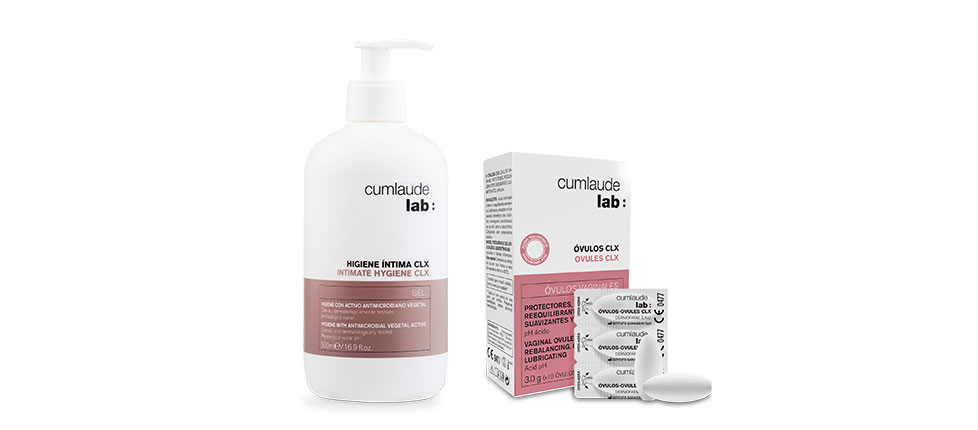
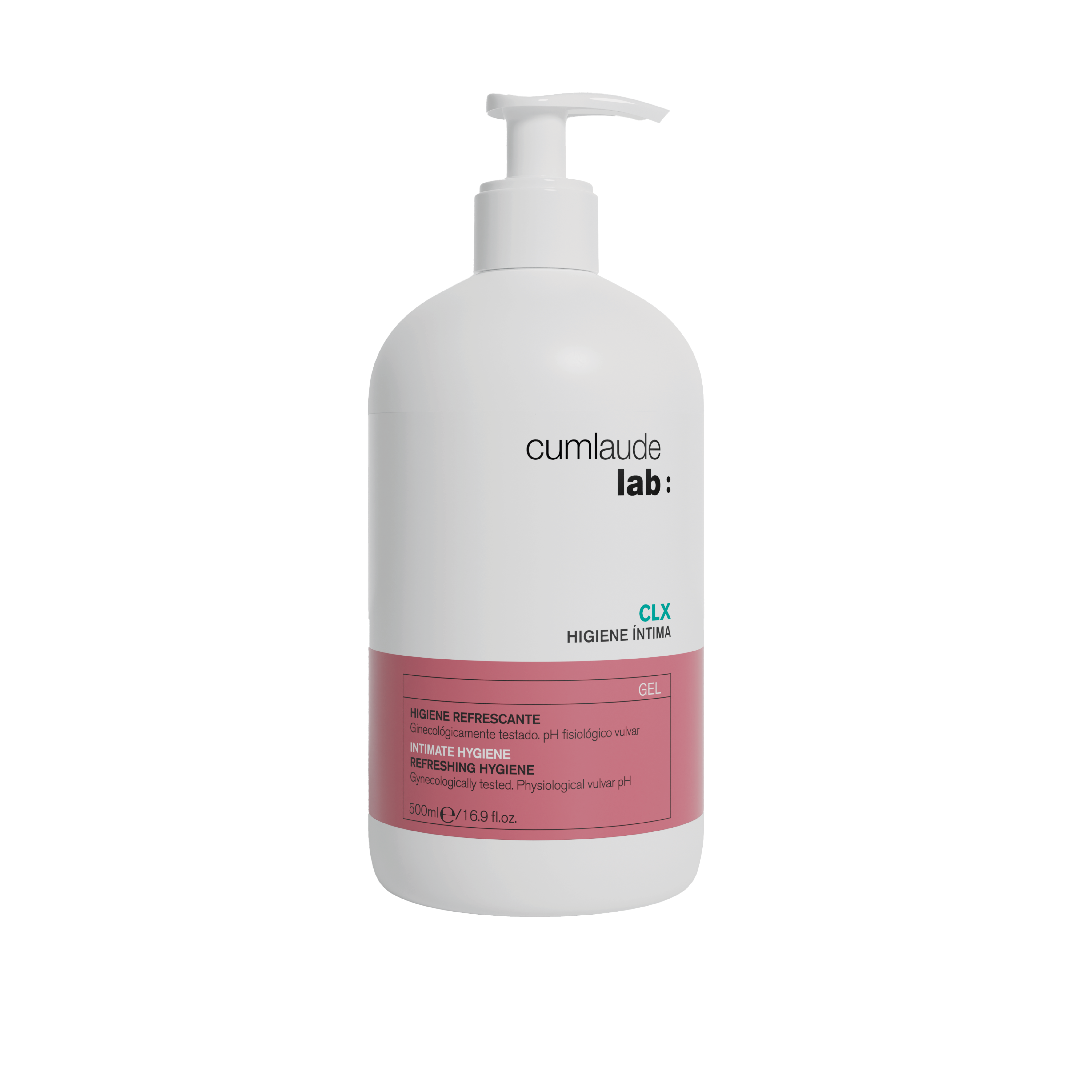
If these secretions change in odour, colour or consistency, this may be a sign of a possible imbalance or vaginal infection. Remember that, to treat this infection, we recommend daily use of CLX Intimate Hygiene to cleanse and protect the area, along with a course of CLX Vaginal Suppositories. Use one suppository every night, before going to bed, for 10 days. You’ll notice a big difference!
Recommended products

.webp)
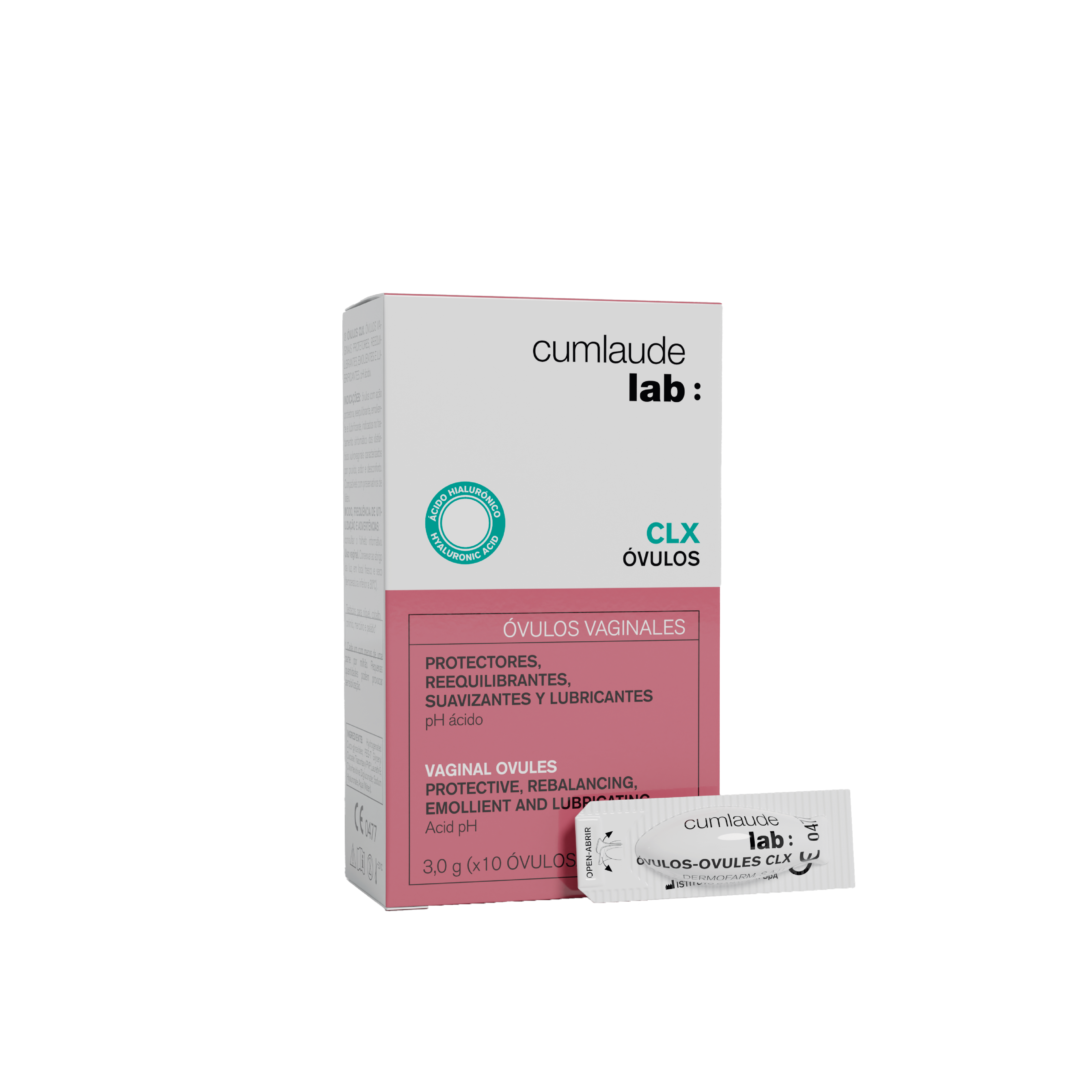
CLX Óvulos
Vaginal suppositories with protective, rebalancing, emollient and lubricating properties

