.webp)
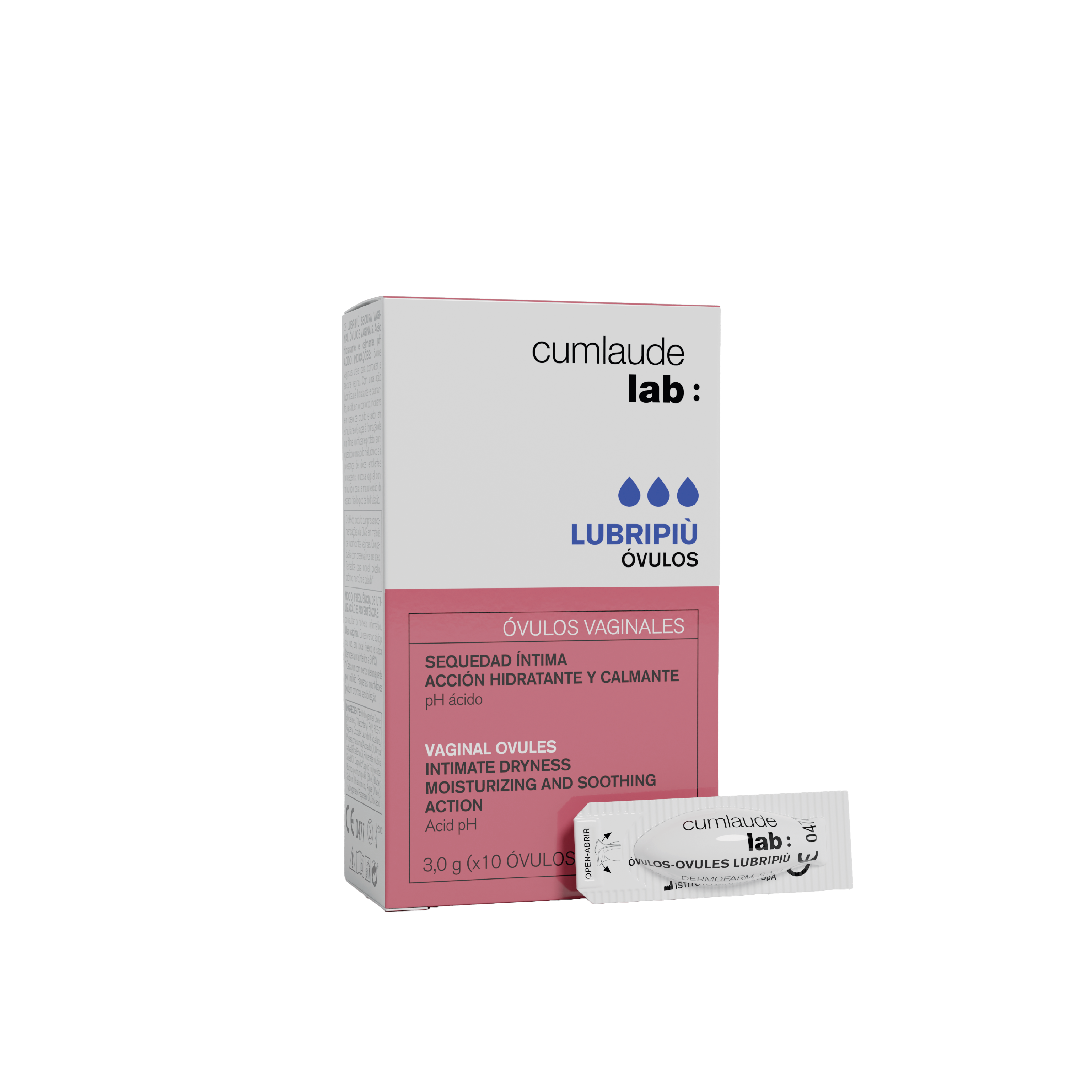
Lubripiù Óvulos
Vaginal ovules with lubricating, moisturising and soothing properties to combat vaginal dryness.

by Cumlaude Lab
To understand what vaginitis is, we must first realise that the normal vaginal flora contains abundant bacteria and microorganisms that play a protective role and form a ‘vaginal ecosystem’. An imbalance in this ecosystem can be the first step towards the development of a vaginal infection.
When we suffer from a vaginal infection, the mucous membrane (and sometimes the vulvar skin as well) becomes inflamed. This is why this condition is sometimes known as vulvovaginitis. The fact is that, as this is a very common condition in women, it can affect us at different stages of our lives, particularly in childhood, during pregnancy or after the menopause.
Did you know that vaginitis is one of the main reasons for gynaecological consultations? It is estimated that its prevalence amongst women can exceed 50 per cent. But what factors can cause vaginitis? We’ll tell you!
Age, hormonal changes (menstrual cycles, pregnancy, sexual activity), systemic illnesses, as well as external factors such as taking antibiotics for a prolonged period or poor hygiene habits, can trigger the onset of vaginitis.
Meanwhile, diabetes and skin conditions such as atopic dermatitis or psoriasis also increase the risk of vulvovaginitis.
Symptoms of vaginal infections include changes in the odour, colour or amount of vaginal discharge, itching or irritation in the genital area, pain during sexual intercourse or when urinating, and light bleeding or spotting. Therefore, if you experience any of these signs, you should suspect vulvovaginitis and seek medical advice.
There are different types of vaginal infections depending on the underlying cause.
Although, as we mentioned, this is a common condition in women, don’t forget that intimate care and hygiene practices that respect the vaginal flora are a great help in preventing vaginitis and other intimate infections.
Now that you know all about what vaginitis is, if you have any of these conditions, we recommend this post on choosing the best intimate hygiene product, where we suggest the best product from our range for each of these conditions.
Lubripiù Óvulos
Vaginal ovules with lubricating, moisturising and soothing properties to combat vaginal dryness.

