< Back
- Article
- Intimate care

Vaginal and vulvar dryness: let’s put an end to the myths!
by Cumlaude Lab
If there’s one topic relating to intimate health that’s rife with false myths, it’s vaginal and vulvar dryness. I’m sure you’ve heard phrases like ‘intimate dryness comes with the menopause’ or ‘there’s no treatment for vaginal dryness’ a thousand times over. It’s all a load of rubbish, girls.
With the aim of debunking these myths and providing reliable information on vulvar dryness, Jennifer Verhelle, Brand Director of our brand, has been chatting to Dr Marimer Pérez, a gynaecologist and obstetrician, and the magazine Objetivo Bienestar. Don’t miss the full interview!
Vaginal and vulvar dryness knows no age
As you’ll have seen in the interview, it’s estimated that 75 per cent of women will experience intimate dryness at one or more points in their lives. And what do we mean by intimate dryness? Well, it refers to a reduction in vaginal fluid and a lack of moisture, which causes uncomfortable symptoms such as itching, stinging and inflammation in the vulvovaginal area, and may also lead to pain during sexual intercourse.
These figures reinforce what Dr Marimer Pérez mentions in the interview: vulvovaginal dryness does not only affect women going through the menopause, but can occur at different stages of our lives due to biological causes such as amenorrhoea or physiological processes such as breastfeeding, the postpartum period or the menopause, but also due to external factors such as stress, taking certain medicines, the use of panty liners, taking the contraceptive pill, and poor intimate hygiene habits, amongst others.
Treatments for vulvovaginal dryness
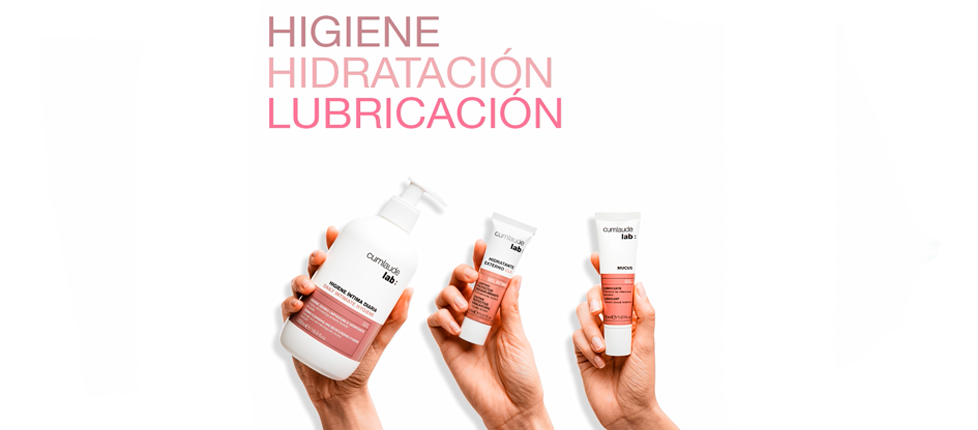
In the interview, Jennifer Verhelle stated that “There are still many people who confuse lubricants with moisturisers, and use them interchangeably thinking they are the same thing, but this is not the case”. To treat vaginal and vulvar dryness, it is important to follow a proper Intim Care routine that includes daily intimate hygiene for the vaginal area, as the vagina has its own self-cleaning system, and the use of soaps internally can aggravate dryness, as well as leading to other types of problems. A moisturiser for the external genital area should also be used daily and, when having sexual intercourse, a water-based lubricant should always be used; these measures will help to combat vulvar dryness.
Recommended products
.webp)
If you found this helpful, you might be interested in reading:
Article

Don’t make vaginal dryness a taboo subject
Let’s break the taboo surrounding vaginal dryness, as it doesn’t only affect women going through the menopause – that’s a myth!

