< Back
- Article
- Sexual relations

The different uses of lubricants
by Cumlaude Lab
There are many benefits to using lubricants during sexual intercourse. However, people sometimes do not use them because they are unaware of how helpful they can be in different situations. That is why it is worth knowing the different uses of lubricants and using them whenever you wish.
Among the most common uses are the following:
- To combat vaginal dryness. Hormonal changes during the menstrual cycle, pregnancy or the menopause can reduce a woman’s natural ability to produce lubrication. This can also occur if you are taking certain medicines or going through a period of high stress. In any of these cases, using an intimate lubricant will relieve vaginal dryness and prevent the discomfort it can cause during sexual intercourse.
- Resuming sex after childbirth. Once the postnatal recovery period is over, provided there are no medical contraindications, you can resume a normal sex life. However, a lack of lubrication due to hormonal changes after childbirth and during breastfeeding, low libido, exhaustion during the first few days as a new mum, and the fear that sex after pregnancy might be painful – amongst other factors – often pose challenges when it comes to resuming intimate relations and being able to enjoy them. Lubricant therefore becomes your best ally for those first encounters following the baby’s arrival.
- Protecting intimate areas. By reducing friction, lubricating gels prevent chafing injuries both in the vagina – which can lead to gynaecological problems – and on the penis.
- Enhancing sexual relations. As well as ensuring women’s intimate wellbeing, lubricating gels can also be used to increase sexual pleasure. This is because, by providing greater comfort, they encourage couples to try new practices or prolong the duration of intimate relations.
- Enhance sexual intercourse. Among the products designed to increase sexual pleasure, we can find lubricating gels with a warming effect and ingredients designed to aid arousal naturally, as they increase blood flow to the intimate area. These are particularly useful if you want to experience greater intensity during sex, as they stimulate microcirculation in the intimate area to enhance sensitivity.
How to choose the right lubricant?
Choosing a lubricant isn’t always straightforward. To help you make the right choice, these tips may be very useful:
- Choose a lubricant that complies with the World Health Organisation’s recommendations for both osmolality (<380 mOsm/kg) and pH (around 4.5 for vaginal use and around 5.5 to 7 for anal use).
- Check that the lubricant does not compromise the integrity of the condom, and that it contains no fragrances, colourings or spermicides.
- If you suffer from vaginal dryness, we recommend a water-based lubricant containing hyaluronic acid and lactic acid, as it will have a consistency similar to natural vaginal secretions, helping to keep your intimate area soft and moisturised.
Furthermore, when choosing the best lubricant, it is essential to check that it has been dermatologically and gynaecologically tested and does not contain colourings, parabens or allergens.
How do you use a lubricant?
There are many ways to use an intimate lubricant to make sexual intercourse easier or to enhance pleasure. Let’s take a look!
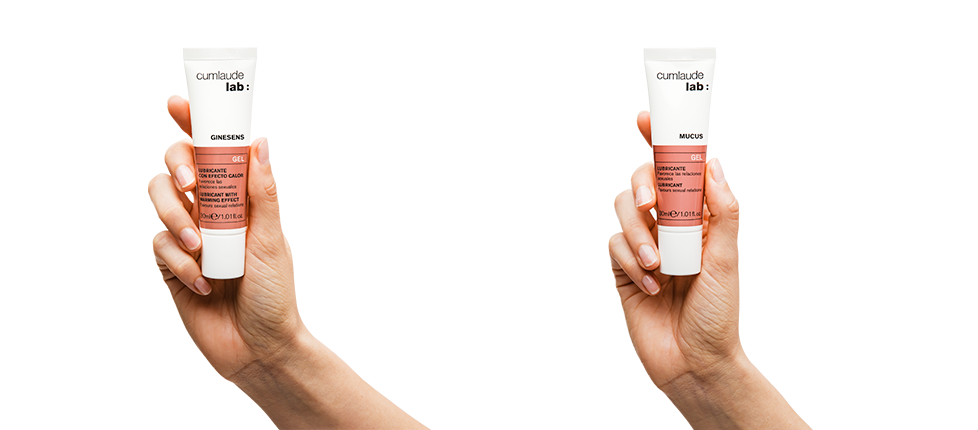
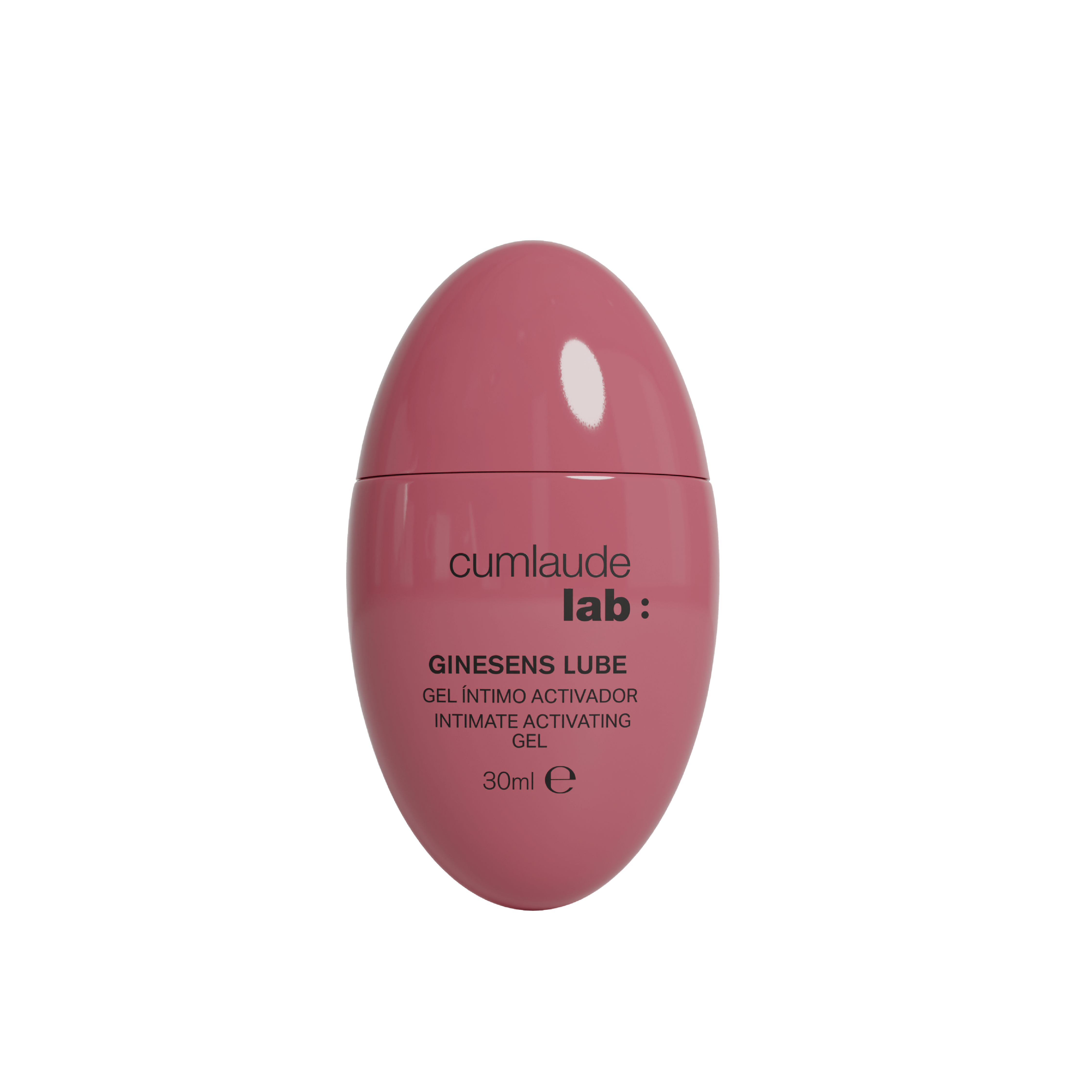
- During foreplay: if you want to use a lubricant to make foreplay more enjoyable, we recommend using a warming lubricant such as Ginesens. Apply a small amount to the vulva and outer labia, and also to your partner if you’re with someone. The warming effect will help you reach orgasm more quickly.
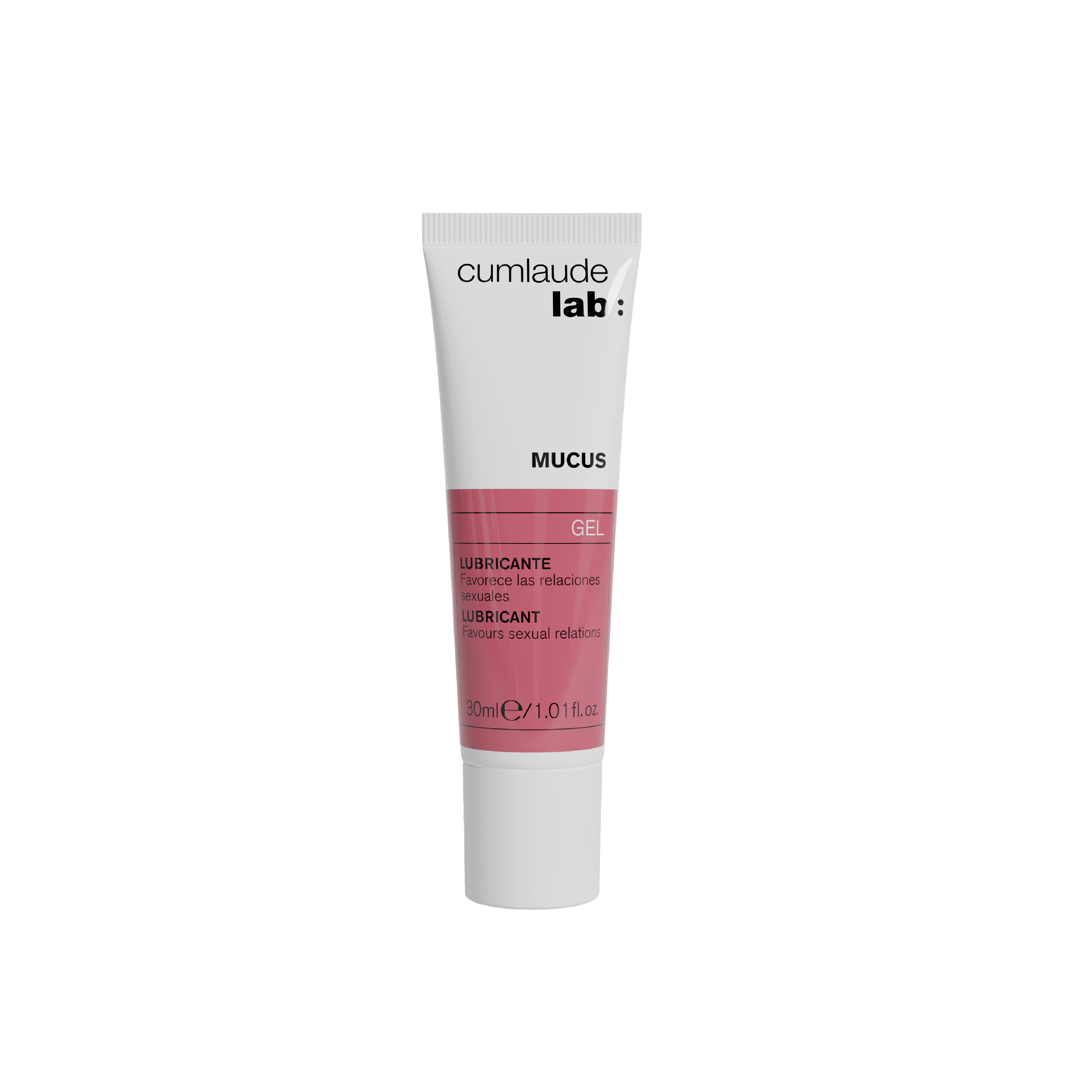
- During penetration: if you experience vaginal dryness that affects your enjoyment of sex, we recommend using a water-based lubricant such as Mucus. Apply a suitable amount to your genital area before each sexual encounter, and reapply if necessary.
In short, using a lubricant – whether for fun or out of necessity – is completely normal, so let’s normalise its use! We assure you that it will make sex more pleasurable and allow you to enjoy your intimate moments much more.
Recommended products
.webp)
.webp)

