.webp)
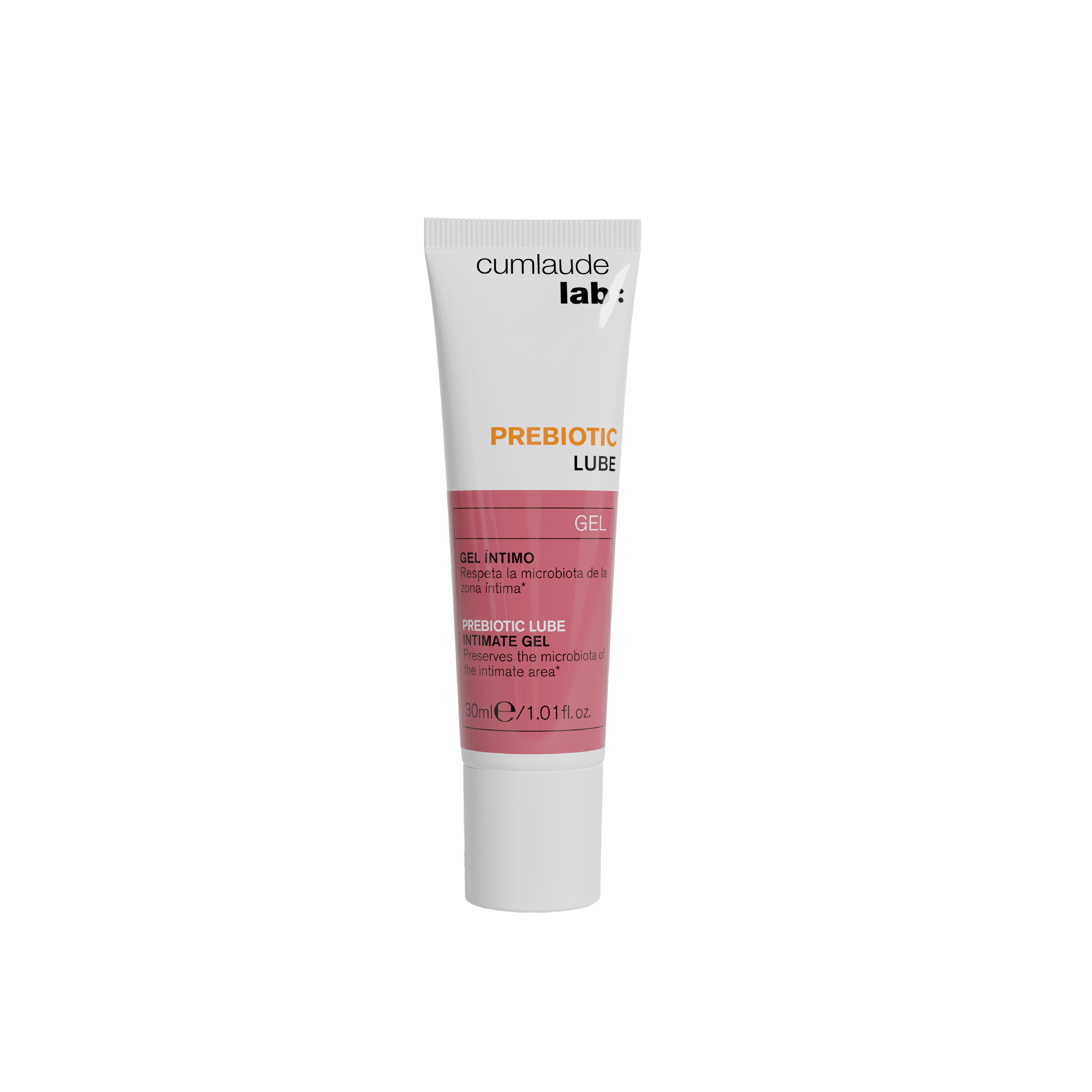
LUBE Prebiótico
A lubricant that respects the microbiota and helps prevent intimate discomfort

by Cumlaude Lab
Postcoital cystitis is one of the most common urinary tract infections in sexually active women, yet it remains a topic that is rarely discussed. If you have ever experienced a burning sensation when passing urine or an uncomfortable pressure in your bladder hours after having sex, you have probably suffered from it without realising exactly what it was.
Understanding its causes, recognising the symptoms early on and knowing how to prevent it can make a big difference to your intimate health and your quality of life.
In this article, we explain everything you need to know about postcoital cystitis: why it occurs, what role the vaginal microbiota plays, and which habits and products can help you prevent it from happening again. Postcoital cystitis is a common urinary tract infection in sexually active women. It usually appears between 24 and 48 hours after sex. It can be prevented through good habits and the use of lubricants containing prebiotics that protect the vaginal microbiota.
Cystitis is a urinary tract infection that affects the bladder. In the case of postcoital cystitis, symptoms appear between 24 and 48 hours after having sex, and include:
This type of infection particularly affects women aged between 20 and 40, although it can occur at any stage of life.
Female anatomy plays a key role. The urethra is shorter and closer to the vagina and rectum, which makes it easier for bacteria such as Escherichia coli to reach the bladder. During sex, movement and friction can facilitate this bacterial migration.
In addition, there are factors that increase the risk:
The vaginal microbiota consists of beneficial bacteria, mainly lactobacilli, which maintain an acidic pH and protect against pathogens. When this flora is disrupted (by stress, medication, sexual intercourse, etc.), it creates an environment conducive to urinary and vaginal infections.
Here are 5 practical tips to reduce the risk:
Prebiotic Lube is an intimate lubricant formulated with prebiotics that help maintain the balance of the vaginal microbiota. Regular use can:
Furthermore, it is formulated with ingredients that are gentle on the intimate area and complies with current Spanish legislation governing cosmetic products, as well as the World Health Organisation’s (WHO) recommendations regarding pH and osmolality.
Yes, post-coital cystitis is one of the most common forms of urinary tract infection in sexually active women, particularly those aged between 20 and 40. The proximity of the female urethra to the vagina and rectum makes it easier for bacteria to reach the bladder during sex. The good news is that it can be effectively prevented through simple habits and the use of suitable products.
The most common symptoms of postcoital cystitis are a burning or stinging sensation when passing urine, a constant urge to urinate, pain or pressure in the lower abdomen, and cloudy or foul-smelling urine. They usually appear between 24 and 48 hours after sexual intercourse. If accompanied by a fever or lower back pain, it is important to see a doctor.
Yes. Lubricants containing prebiotics, such as Prebiotic Lube by Cumlaude Lab, work in two ways: they reduce friction during sex (one of the main factors that facilitate the entry of bacteria) and protect the balance of the vaginal microbiota, which is the first line of defence against urinary tract infections.
The difference between prebiotics and probiotics in intimate health lies in the fact that prebiotics are substances that nourish and promote the growth of beneficial bacteria already present in the vaginal microbiota, mainly lactobacilli. Probiotics, on the other hand, are live microorganisms that are administered to recolonise the flora when it has been significantly disrupted. In the prevention of postcoital cystitis, topically applied prebiotics are particularly useful because they act directly on the area at risk.
Postcoital cystitis can be cured without antibiotics, depending on its severity. If symptoms are mild and detected early, measures such as increasing water intake, urinating frequently and using products that balance the microbiota can relieve the discomfort. However, if a bacterial infection is confirmed, medical treatment with antibiotics is necessary. Antibiotics should never be taken without a prescription, as they disrupt the vaginal flora and may lead to further infections.
Consult your doctor if the symptoms of post-coital cystitis do not improve within 48 hours, if you develop a fever, if you experience pain in your lower back or kidneys, or if you notice blood in your urine. These signs may indicate that the infection has spread to the upper urinary tract and requires immediate attention.

At Cumlaude Lab, we’ll help you choose the best intimate hygiene product to suit your needs.
.webp)

