< Back
- Article
- Sexual relations

Pleasure Unveiled: Taboos and Myths about Female Sexuality
by Cumlaude Lab
Female sexuality has long been a subject shrouded in taboos and myths. The lack of accurate information has perhaps been one of the factors contributing to misconceptions and to the creation of a taboo and shameful stigma surrounding women’s pleasure. So why don’t we break down all those barriers today?
In this article, we’re going to delve into the world of female pleasure, discuss myths and realities, and offer advice so that we can all get to know ourselves better and better.
Female sexuality remains a taboo subject
Years go by, and we’re still debating why women’s sexual practices are a taboo subject, unlike in the case of men. Throughout history, societies have imposed norms and expectations that have led to a culture of silence or secretive conversation surrounding women’s sexuality.
Breaking this taboo is essential for promoting women’s sexual health, emotional wellbeing and sexual response. After all, why should we feel ashamed to think or talk about our sexuality?
Although it has become more common in recent years to discuss topics such as women’s sexual satisfaction, it still persists as a taboo that is more deeply rooted than we might think.
Let’s talk about myths surrounding women’s sexuality
We’ve read and heard a lot, but do we know what’s true and what’s a myth? Only a woman herself knows exactly how her body and desires work. Generalising is another problem caused by a lack of information. Here are some of the most common myths about women’s sexuality.
- Women are less sexually active: debunking this is a priority. To say that women have less sexual desire than men is simply a way of reinforcing preconceived notions. This depends entirely on the individual, their level of sexual arousal and the stage of life they’re at.
- Women do not masturbate: although this myth is becoming less prevalent, it still persists in subtle ways. As with the previous point, it depends on the individual.
- All women can have orgasms through penetration: the clitoris contains the majority of nerve endings; therefore, it is through stimulation of the clitoris that women achieve orgasm and these sensations of pleasure. However, it is important to note that, as every woman is different, some are more sensitive and perceive clitoral stimulation indirectly, through penetration.
- Pregnant women or those going through the menopause cannot have sex: it is important to note that sexual intercourse is not prohibited in either case. The point here is that, depending on the stage of her life, a woman may have less desire than at other times. Every woman is unique, and whether she is going through the menopause or is pregnant, the key is to understand ourselves and know what we want at those times. And if you have any doubts, we recommend consulting your gynaecologist.
- Female libido decreases with age: whilst hormone levels do change with age, female libido (the response to sexual attraction) is influenced by various factors, such as general health, emotional connection and mental wellbeing.
Knowing yourself means enjoying yourself – twice as much!
Understanding your body is essential for enjoying sex. Did you know that the intimate areas aren’t the only female erogenous zones? According to a social study featured in an article in El Confidencial, the top ten include: the clitoris, vagina, labia, neck, breasts, nipples, the inner thighs, the nape of the neck, the ears, and the buttocks.
It’s worth emphasising once again that these are subjective studies, but every woman is different, so good communication with your sexual partner is the most effective way to let them know what you like and what you don’t, so that you can enjoy sex to the full.
Further advice on sexuality
These tips will be your best guide to enjoying a fulfilling sex life.
- Communicate: as we mentioned earlier, communicating is the best way to avoid playing a guessing game with your partner during sex, which can leave you both frustrated. Talking is key to satisfaction.
- Self-exploration: find out what you like and what you don’t. In fact, enjoy your sexuality for yourself.
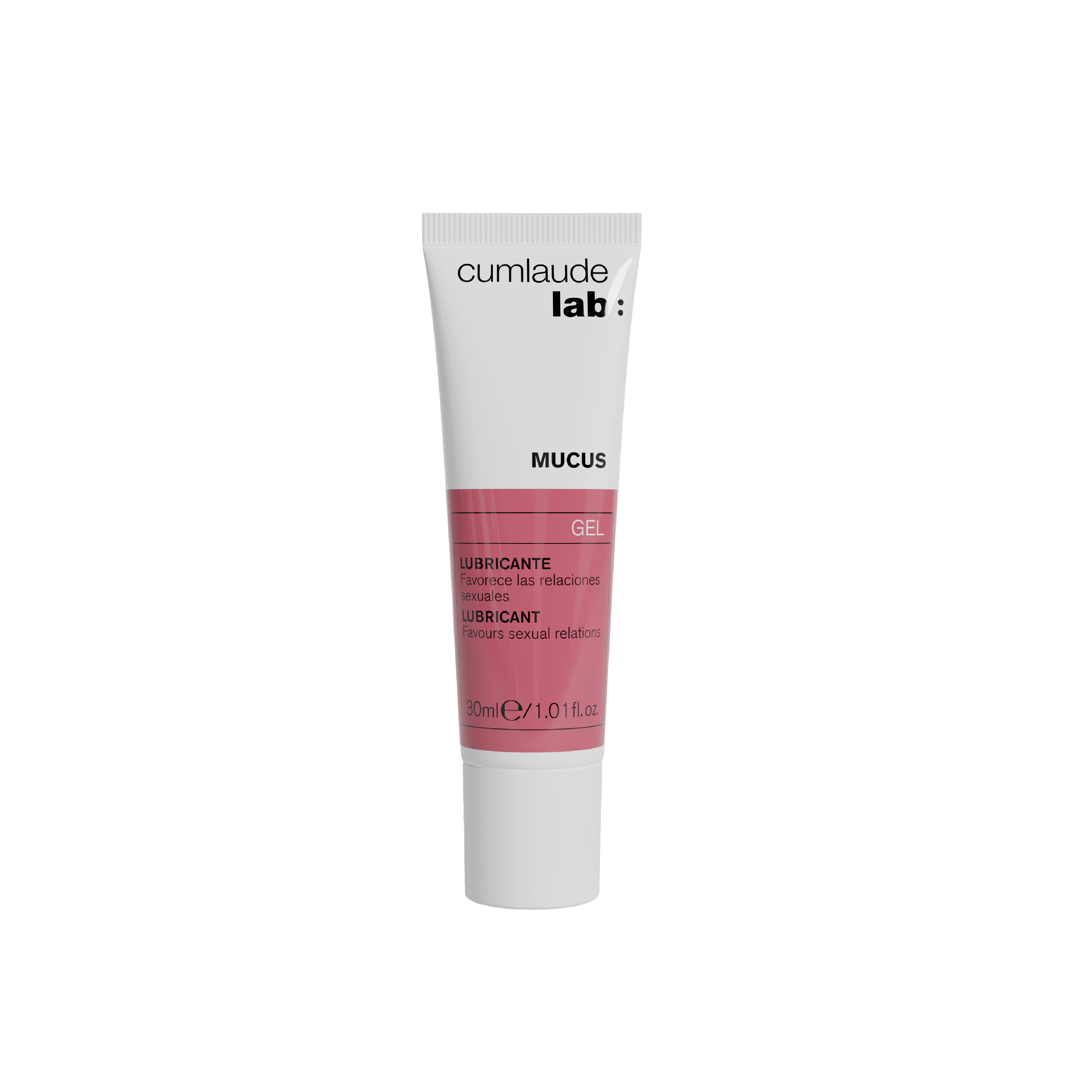
- Lubricant and sex toys: we also need to set aside taboos surrounding sex toys and lubricants. If you like to enjoy yourself and try new things, or if you suffer from vaginal dryness, don’t hesitate to use sex toys and lubricant. This should be fun and, above all, you must look after yourself. Highly recommended for other activities such as oral sex.
To sum up, talking about female sexuality is like opening a door to a subject which, although we’ve started to discuss more openly, remains a field rife with myths and taboos that we need to dispel. Breaking down these preconceived notions and simply talking, exploring and getting to know one another honestly brings us closer to better understanding and respecting the diversity of women’s sexual experiences, and helps us lead a better quality of life. It’s time to keep breaking down barriers!
Sources:
https://www.elconfidencial.com/alma-corazon-vida/2013-09-22/el-mejor-mapa-de-las-zonas-erogenas-segun-la-neurociencia_27771/
https://flo.health/es/tu-ciclo/sexo/placer/como-tener-el-orgasmo-vaginal
Recommended products
.webp)
.webp)

