< Back
- Article
- Intimate care

Menopause and fluid retention
by Cumlaude Lab
Fluid retention during the menopause is one of the most common problems. According to figures from the Spanish Association for the Study of the Menopause (AEEM), 75 per cent of women aged between 45 and 50 experience discomfort during the menopause.
You may feel bloated, notice that your clothes are tighter, have put on weight for no apparent reason, or experience a constant feeling of heaviness. Although these problems are very common amongst many women, they affect our quality of life, so it is very important to follow healthy guidelines to help us through this stage. These healthy guidelines can take the form of a balanced diet or regular exercise.
If you’d like to find out more about fluid retention during the menopause caused by hormonal changes, its symptoms and how to combat it, read on!
Symptoms of fluid retention during the menopause
Fluid retention is a very common condition amongst us which, as the Cinfa expert explains, ‘involves the build-up of water in the body. The main symptoms are swelling of the legs, ankles and abdomen, weight gain, a feeling of heaviness and puffiness around the eyes’.
However, whatever symptoms you experience, you should see your doctor so they can carry out a full assessment of your situation.
Follow an Intim Care routine to combat fluid retention
Exercising, particularly aerobic exercise, and following a balanced diet become essential when a woman reaches the menopause.
It is also important to establish a good intimate care routine, as this can be a key factor in relieving the symptoms of fluid retention. You can start with these two steps:
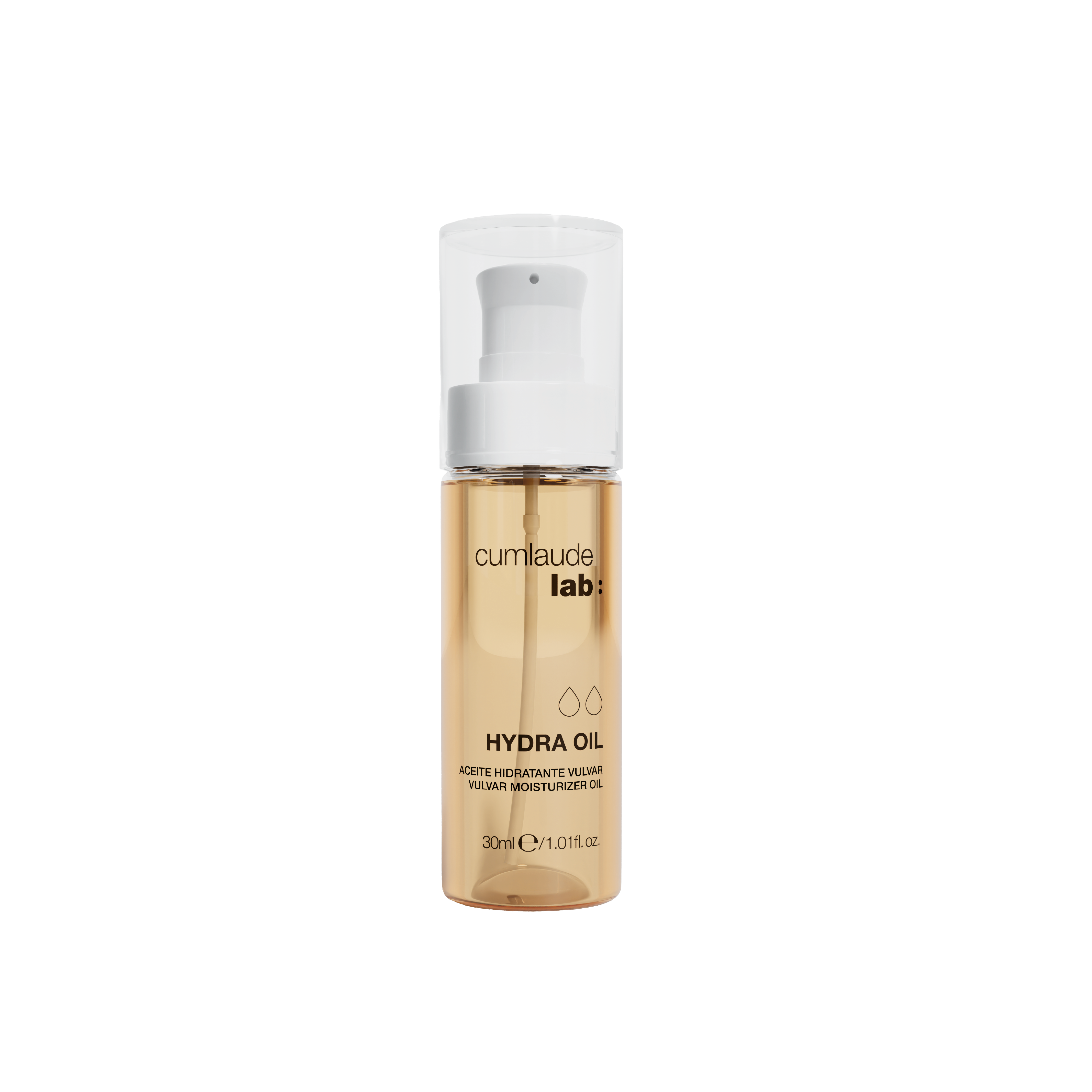
1. Incorporate Hydra Oil into your daily routine by massaging it gently into the areas most prone to fluid retention, such as your legs or ankles. This moisturising oil contains five 100 per cent natural oils.
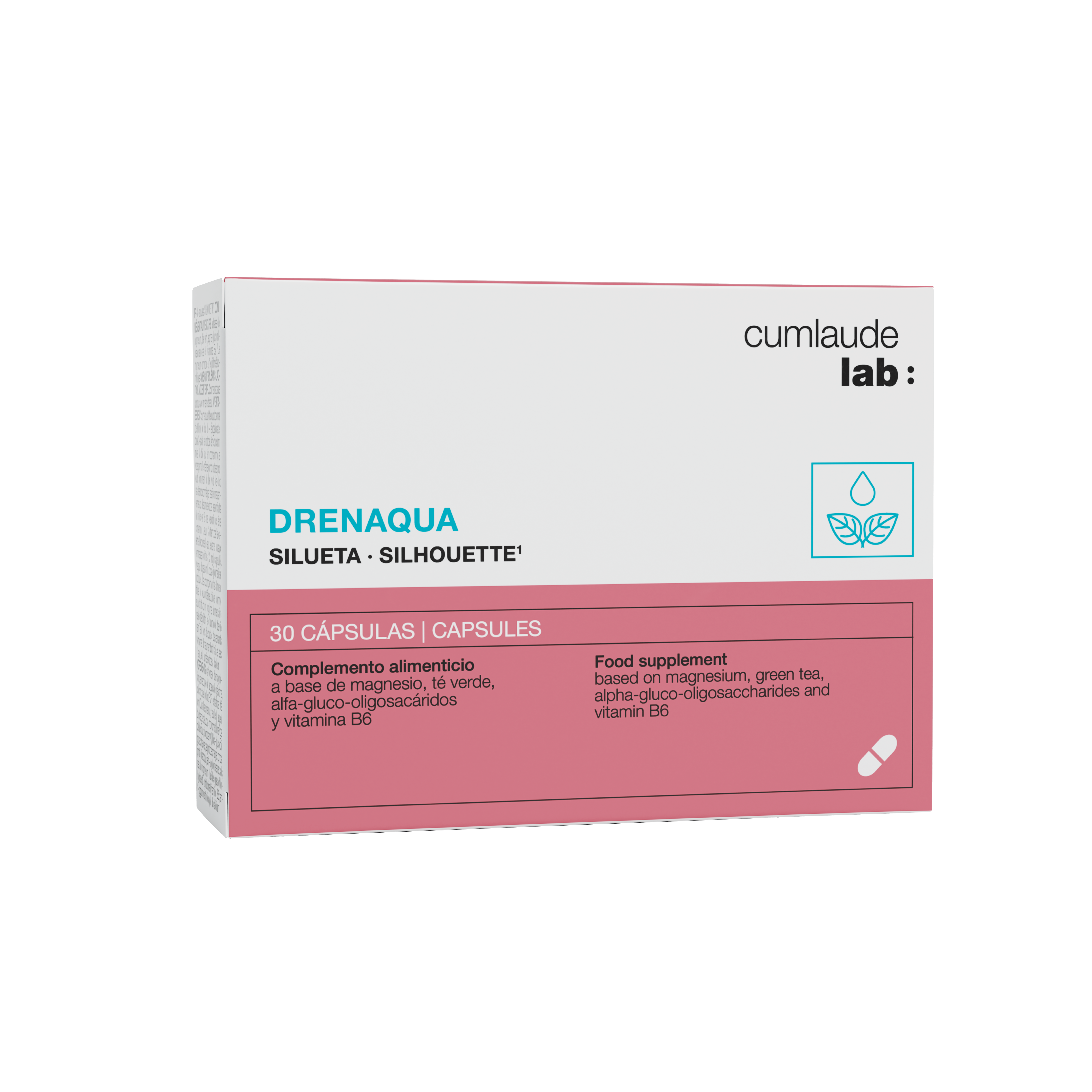
2. Take one Drenaqua capsule daily, a dietary supplement containing magnesium, green tea, a-gluco-oligosaccharides and vitamin B6. Use this treatment on its own for one month, alongside drinking two litres of water a day and following a healthy diet, and you’ll notice how it helps combat the symptoms of fluid retention caused by the menopause.
Remember that if you’re unsure which product best suits you and your lifestyle, you can visit your chemist or gynaecologist to discuss any questions or concerns you may have.
So, what are you waiting for? Get started with your #IntimCare routine!
Recommended products
.webp)
.webp)
Hydra Oil
Intimate moisturisation with biotechnological oils that moisturise, soothe and regenerate.
If you found this helpful, you might be interested in reading:
Article

Menopause: everything you need to know about this much-overlooked topic
The menopause is a taboo subject, despite its importance to all women who reach this stage. We explain its symptoms and everything you need to know.

