< Back
- Article
- Menopause

Menopause: everything you need to know about this much-overlooked topic
by Cumlaude Lab
Unfortunately, the menopause remains a taboo subject, despite its importance to all women who reach this stage. In this post, we’ll explain everything you need to know, from the symptoms of the menopause to how to cope with it. Read on!
What is the menopause?
According to a study by the Menopause Institute, a lack of knowledge about this life stage means that 40 per cent of women who begin to experience the symptoms of the menopause do not have enough information to cope with this period.
In reality, all we know about the menopause is that it’s that stage of life when our periods stop. But the menopause isn’t just about stopping your period; its onset is also accompanied by physical and hormonal changes, mood swings, changes in metabolism, and even trouble sleeping, hot flushes, and a whole host of other changes.
Whilst it is true that we do not necessarily experience all these symptoms in the same way or to the same degree, in this article we share some general tips on how best to cope with the symptoms of the climacteric period (perimenopause, menopause and post-menopause). Let’s embrace this new stage of our lives!
What are the symptoms of the menopause?
As we know, the menopause is the time when we stop having menstrual cycles. It is diagnosed once 12 months have passed without a period and usually occurs between the ages of 40 and 50. But how does this change in our bodies affect us? There are certain symptoms during the climacteric that signal its arrival.
- Irregular periods: this is likely to be the first symptom we notice, and it can manifest as shorter or longer menstrual cycles, heavier or lighter bleeding, and so on. To make sure these irregularities are normal, always check with your doctor.
- Hot flushes: this is undoubtedly the best-known symptom of the menopause and the one everyone talks about. Hot flushes occur due to a hormonal imbalance caused by falling levels of oestrogen and progesterone. These hot flushes can occur suddenly, and even at night (known as night-time hot flushes), making it difficult to get a regular night’s sleep.
- Vaginal dryness: The decrease in oestrogen production leads to increased vaginal dryness and reduced lubrication, which can also cause pain during sexual intercourse.
- Mood swings: Ultimately, everything affects our mood. If, because of night-time hot flushes, we are unable to fall asleep due to the night sweats they cause, it is normal to feel more irritable. This, combined with the hormonal changes our body is undergoing, can lead to increased stress, tiredness and mood swings.
- This body isn’t mine: it’s very common to notice that our body is changing or has already changed. Weight gain, a loss of muscle mass and stiffness in bones and muscles are some of the most common changes our body will go through during the menopause.
Tips for managing the symptoms of the menopause
Menopause is a completely normal stage of life that all women go through, which is why it is essential to educate ourselves and raise awareness of this reality so that we can manage its symptoms as effectively as possible. Here are some tips to help you prepare:
The first thing to bear in mind is that our bodies are changing, so it’s only natural that our habits should change too. A change in our lifestyle can help alleviate the symptoms caused by the menopause.
So, eating a balanced diet – avoiding excessive intake of caffeine, alcohol and spicy foods, and including foods rich in calcium and vitamin D – can help us feel less bloated and keep our muscles and bones stronger. Alongside this change in diet, we should make sure to exercise regularly. Exercising daily will contribute to both physical and mental well-being. And don’t forget to exercise your pelvic floor too!
However, these changes to your diet and exercise routine may not be enough. One of the most common symptoms is night-time hot flushes. These occur suddenly and prevent us from falling asleep, affecting our mood and making us feel irritable.
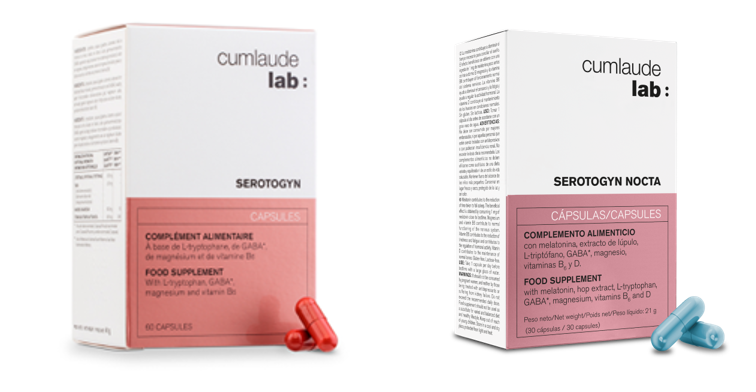
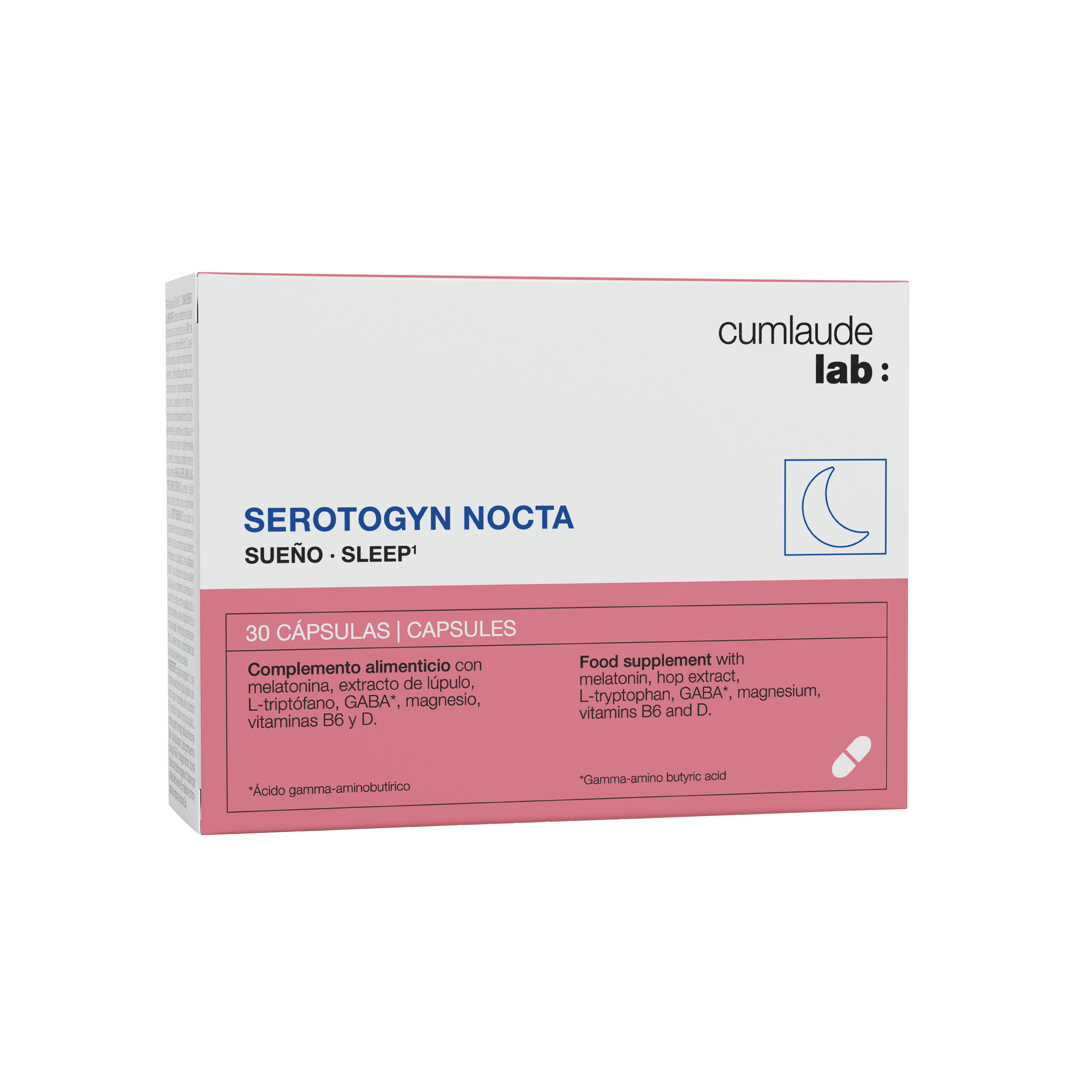
There are dietary supplements that can be great allies in relieving some of these symptoms and improving our quality of life. For example, Serotogyn Nocta, formulated to help maintain a balance between sleep and the symptoms of the menopause. Its exclusive formula contains melatonin to help you fall asleep, hops to reduce irritability, as well as GABA, L-tryptophan and vitamins B6 and D.
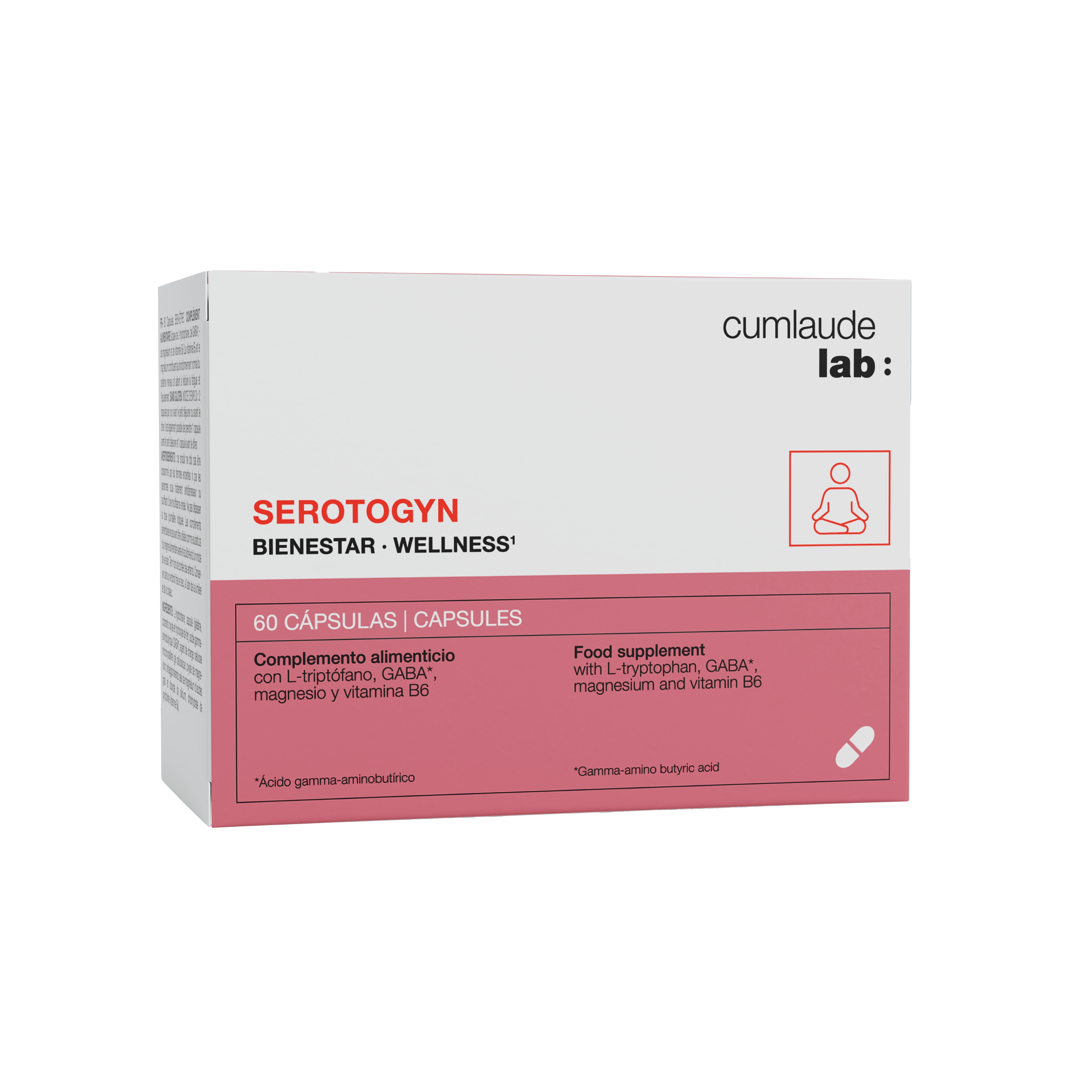
If you’re feeling fatigued and tired, Serotogyn capsules will support the normal functioning of the nervous system, whilst the magnesium will help you feel less tired. Both supplements can be taken together; in the case of Serotogyn Nocta, you can take one capsule a day before bed, and two capsules a day of Serotogyn.
If you’re interested in discovering other specific products to counteract the symptoms associated with the menopause and improve women’s wellbeing, you can visit this page.
Now that we know all the essentials about the menopause and its symptoms to help us navigate this new stage of our lives, let’s not let anything hold us back!
Recommended products
.webp)
.webp)

