< Back
- Article
- Intimate care

Intimate oils for washing the intimate area
by Cumlaude Lab
Intimate hygiene – don’t forget about it
Intimate hygiene is often the neglected aspect of self-care routines. But we must bear in mind that not everything is suitable, and we need to pay attention to the ingredients in the products we use to prevent infections or disturbances to the vaginal flora.
Does this mean we shouldn’t wash our intimate area? Quite the opposite. It’s necessary to remove sweat, vaginal discharge, menstrual blood and urine that build up during the day, after exercising, etc., but always following some basic guidelines to maintain good intimate health and using the right products. If you’d like to know how intimate oils can help with your intimate hygiene routine, keep reading!
What does a proper intimate hygiene routine involve?
First of all, are you sure you’re washing your intimate area correctly? To maintain a good intimate hygiene routine, we should only wash the vulva (and not the vagina, as it has its own self-cleaning mechanism). Furthermore, you should clean the perineal area from front to back to avoid spreading germs from the anus to the vulva.
Furthermore, we’d like to remind you that vaginal ‘douching’ is harmful. This practice is counterproductive because it disrupts the vaginal flora, making it easier for infections such as bacterial vaginosis or thrush to develop.
When is it recommended to use a cleansing oil?
To wash your vulva, you can use a hypoallergenic intimate wash from a chemist or a cleansing oil, but remember that these products must be specially formulated for the intimate area. No perfumes or harmful chemicals! And cleaning with water alone isn’t enough either because… let’s be honest: how many of you wash with water alone? The vast majority of us end up using body wash, and this will disrupt the vaginal microbiota and cause intimate discomfort (infections, itching, dryness…).
But let’s get back to the point: when is it recommended to use a cleansing oil? At Cumlaude Lab, we recommend the oil format:
- When you experience itching, irritation or dryness in your intimate area.
- When we need a cleanser that can be rinsed off with water, but which is also highly moisturising and pleasant to use.
- When we do sport and experience irritation caused by the fabric or tight-fitting clothing we wear, or when we swim in swimming pools or the sea and also suffer from irritation.
- When, due to advancing age, our intimate mucous membranes are delicate and sensitive.
- In combination with medicines or pharmacological treatments that may cause intimate dryness.
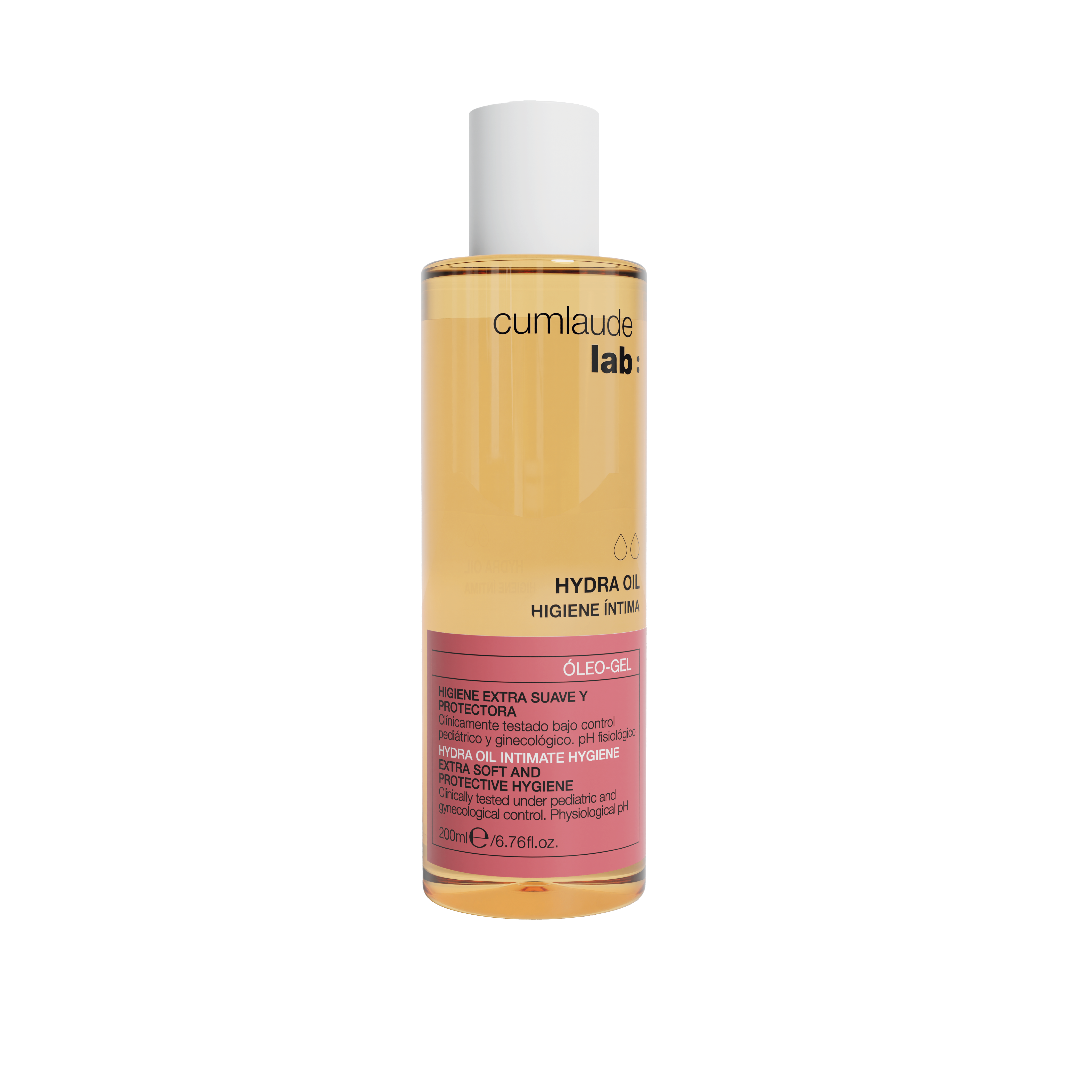
The Hydra Oil Intimate Hygiene Cleansing Oil is ideal for these situations, as it has an emollient and soothing effect on the intimate area thanks to its blend of sweet almond oil and niacinamide, and rice bran oil, which has powerful regenerative properties and leaves the skin feeling soft.
What’s more, it’s easy to use: simply apply the product to damp skin, massaging gently as you would with a normal cleanser, and then rinse off with water. It is gynaecologically tested, suitable for the whole family and reduces itching by 75% within the first 24 hours after application.
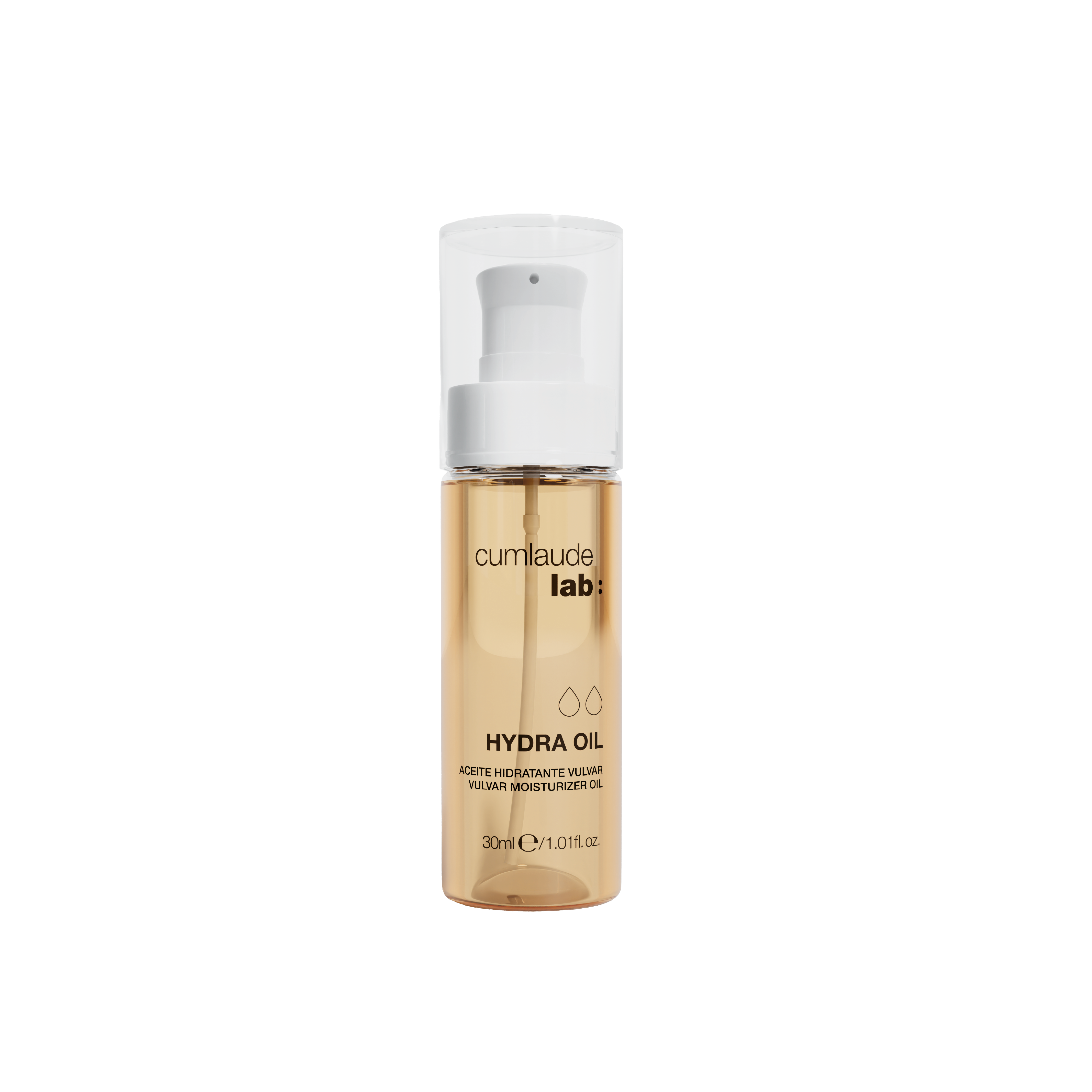
You can complement your intimate care routine by using the Hydra Oil Vulvar Moisturiser, which contains naturally sourced biotechnological oils that provide emollient and regenerative benefits to the external genital area.
Now that you know how oils can help with your intimate hygiene routine, you can look after yourself as you deserve. Always remember that, if in doubt, you can consult your gynaecologist.
References
Dona, I. (7 April 2022). What is vaginal pH? https://www.ividona.es/blog/salud-sexual/que-es-el-ph-vaginal/
Women’s intimate hygiene. (27 November 2019). EGR Institute of Medicine. https://www.egr.es/higiene-intima-mujer/
Dr Duran. 8 (+2) tips for female intimate hygiene – Dr Duran’s blog https://www.barnaclinic.com/blog/womens-health/higiene-intima-femenina/
Recommended products
.webp)
.webp)
Hydra Oil
Intimate moisturisation with biotechnological oils that moisturise, soothe and regenerate.
If you found this helpful, you might be interested in reading:
Article

How to choose the best intimate hygiene product
At Cumlaude Lab, we’ll help you choose the best intimate hygiene product to suit your needs.

