The vulva is the collective term for the female genitalia, which includes the mons pubis, the labia, the clitoris, the vaginal opening and the urethral orifice. The skin in this genital area is more prone to irritation or itching due to occlusion, moisture in the area and friction.
Vulval pruritus
One of the most common complaints affecting the external genital area, and at the same time one of the most frequent reasons for consulting a gynaecologist, is vulvar pruritus. Pruritus is the sensation that prompts continuous scratching; it should not be confused with vulvodynia, which causes a burning sensation and pain.
Vulvar pruritus can have an infectious or non-infectious cause. If you experience itching in the external genital area and this symptom is accompanied by an increase in vaginal discharge, an infection should be considered. However, there are many situations that can cause vulvar itching and irritation.
External factors: hair removal, friction from wearing tight-fitting clothing, inadequate cleansing of the area (either too little or too much), the use of unsuitable hygiene products, or the continuous use of sanitary protection.
Changes in pH and oestrogen levels: the menstrual cycle can cause alterations in the microbiota; the stage of life a woman is at, as, for example, during the menopause and post-menopause there is a decrease in oestrogen levels, leading to reduced blood supply to the vagina and lower levels of vaginal discharge; pregnancy and the postnatal period…
Specific conditions such as vulvovaginal dryness, which can cause a burning sensation, itching, abnormal discharge, and even pain and bleeding during sexual intercourse.
Chronic conditions such as lichen sclerosus or dermatitis, and vulvovaginitis of infectious origin…
Intim Care Stop Itch Routine
As we’ve mentioned on several occasions, the intimate area requires specific care with specialised products, just as we do for our face, hair and oral health… In this case, we’re sharing the perfect Intim Care routine for dealing with itching, inflammation or recurrent infections caused by changes in the microbiota. Let us walk you through it, step by step!
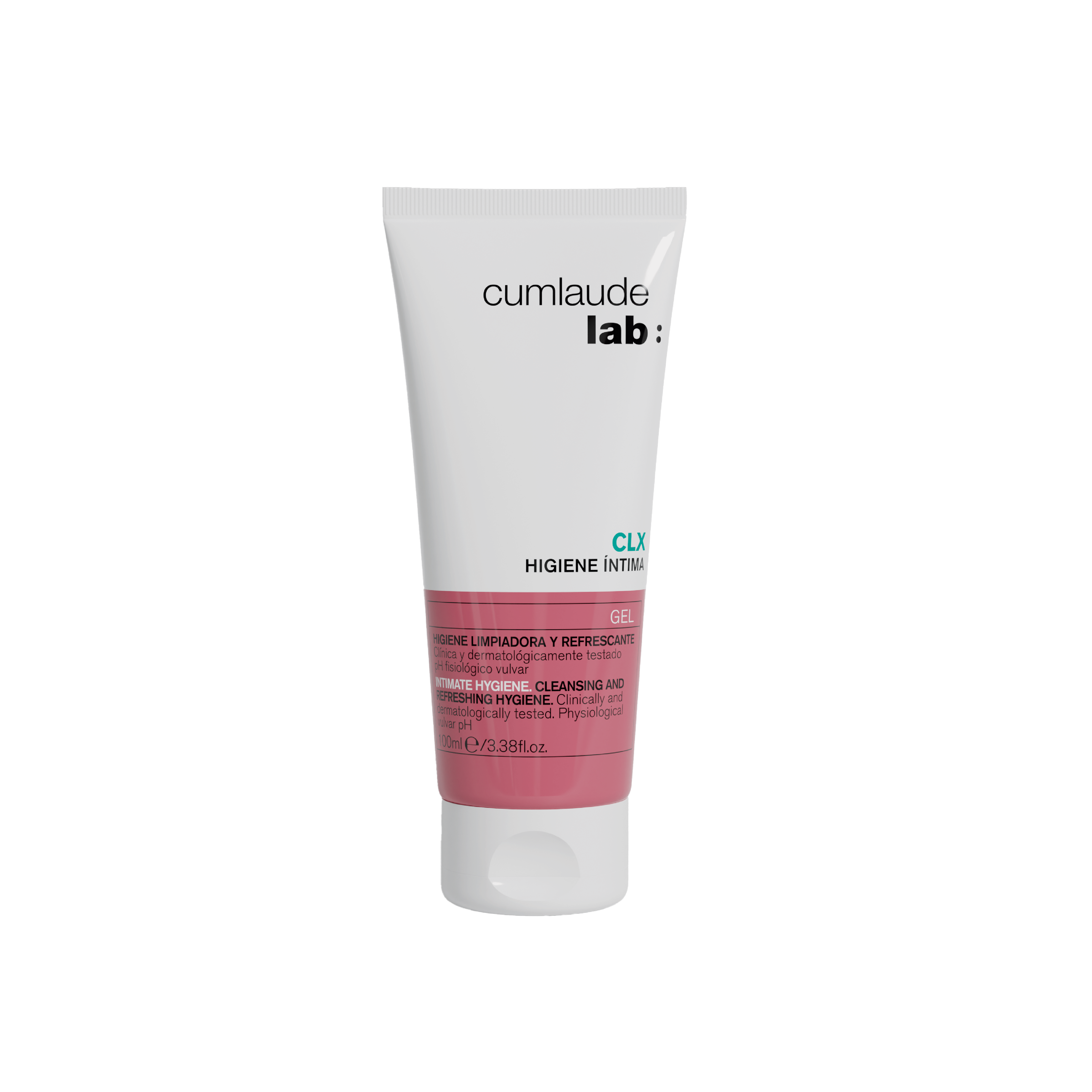
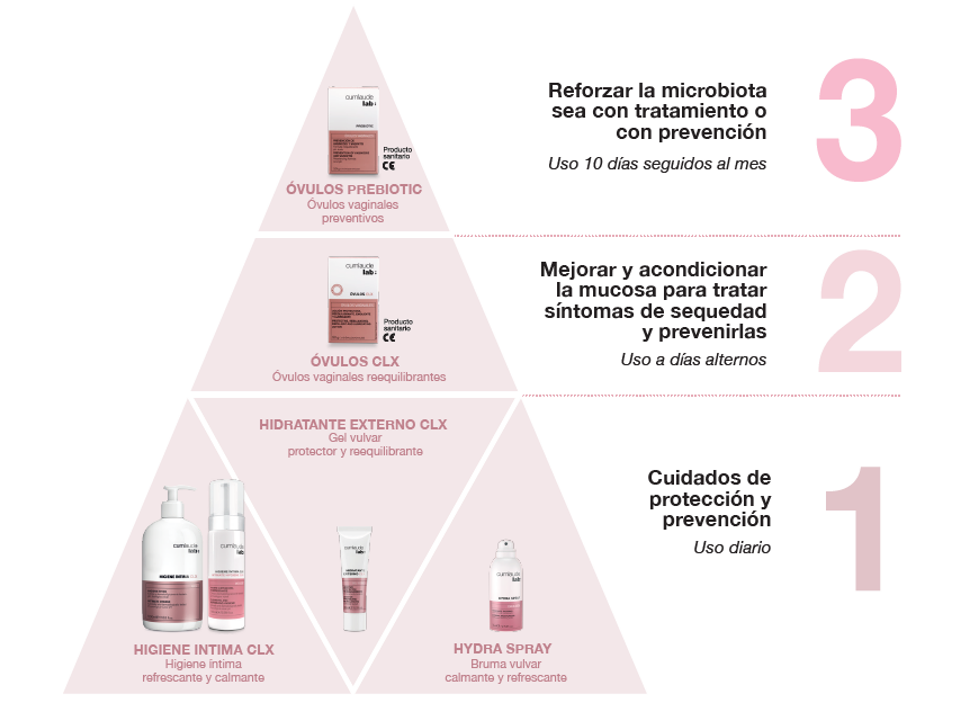
Use a hygiene product with both cleansing and protective properties, such as our CLX Intimate Hygiene, a cleansing gel formulated with chlorhexidine and a plant-based antimicrobial complex that has refreshing and soothing properties. Choose the texture you prefer: gel or mousse!
Moisturise the area with ourCLX External Moisturiser to combat symptoms of irritation, dryness and itching.
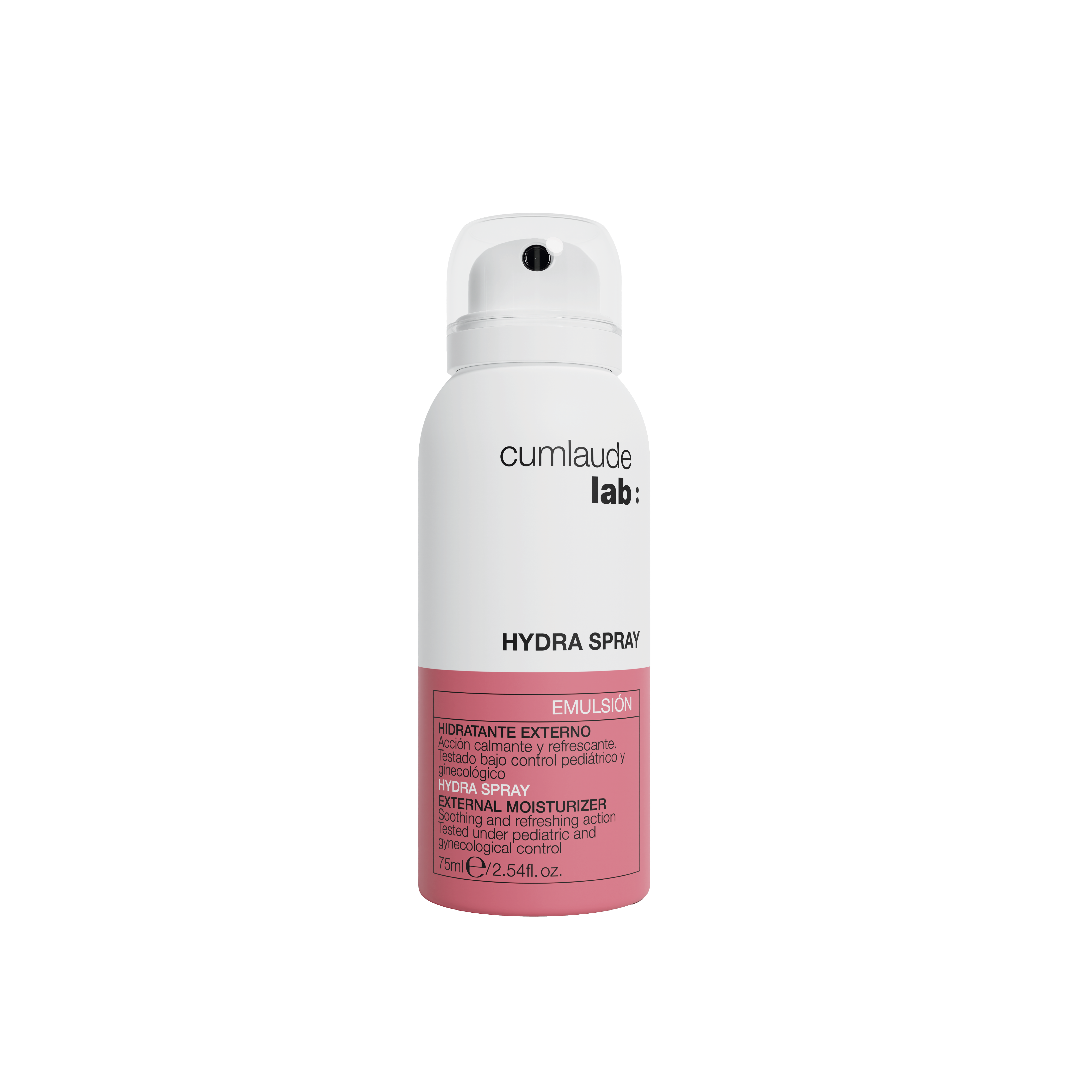
If you experience vulvar itching due to a non-infectious cause, we recommend always carryingHydra Spraywith you. It’s a 360° vulvar moisturising mist that hydrates, refreshes and soothes in 5 seconds. You can apply it as often as needed to relieve the itching.
Furthermore, if you want to improve and condition the intimate mucosa to treat and prevent itching, we recommend using CLX pessaries. They’re simple to use: take one pessary every other day.
Finally, as a complementary treatment to strengthen the microbiota, use the Prebiotic Ovules. We recommend using one ovule every night for 10 days after your period.
This Intim Care routine is perfect for different stages of life. Follow it whether you are an adult, postpartum, breastfeeding or going through the menopause.
Further tips for treating vulvar itching
Finally, we’d like to share some tips with you to help prevent external factors from triggering vulvar itching:
Avoid tight-fitting clothing. We recommend loose-fitting, breathable garments around the vulvar area.
Use a specific intimate hygiene product. Using body wash isn’t a solution, as its pH isn’t suitable and can cause dryness, which may lead to vulvar itching and other discomfort!
Diet has a direct impact on our intimate health. Avoid consuming stimulants such as coffee, chocolate or spices.
Recommended products
CLX Higiene Íntima
A cleansing gel with sanitising and protective properties, in an eco-friendly format.


.webp)