< Back
- Article
- Intimate care

Stages of the menstrual cycle: what happens at each stage and how to look after your intimate health
by Cumlaude Lab
How much do you know about your period and the phases of the menstrual cycle? Have you ever wondered about this? If we’re honest with ourselves, we know very little. Don’t you find that curious? We have our period every month – that’s 12 times a year (which is no small number!) – and yet we know very little about the different phases of the menstrual cycle and how they affect our bodies.
Given this contradiction, here at Cumlaude Lab we believe it’s necessary to talk about periods; to talk about them a lot and very openly. So we’ll start with the basics: the phases of the menstrual cycle.
The 4 phases of the menstrual cycle
The menstrual cycle has 4 phases:
- Menstruation.
- The follicular phase.
- The ovulatory phase.
- The luteal phase.
It is important to understand each of these phases of the menstrual cycle and the hormonal changes that occur, so that we can better understand our bodies and our moods.
Menstruation
Menstruation is phase 1 of the menstrual cycle and is undoubtedly the phase we are most familiar with and have come to regard as the most normal, as this is when bleeding occurs. It usually lasts around 4 days and is considered a process of elimination from the body.
During this phase, it is important to take extra care with hygiene to remove menstrual discharge. As always, we recommend a soap-free cleanser – in other words, a SYNDET product like ours. Choose the one you like best based on its texture! Furthermore, during your period you’ll usually use sanitary pads, which can cause vulval dryness; we therefore recommend daily use of a moisturiser for the external area, which is exposed to this friction.
Follicular phase
Phase 2 is the follicular phase and begins when the bleeding stops. However, although we cannot see it, a rise in oestrogen and testosterone levels also occurs to coincide with the end of your period.
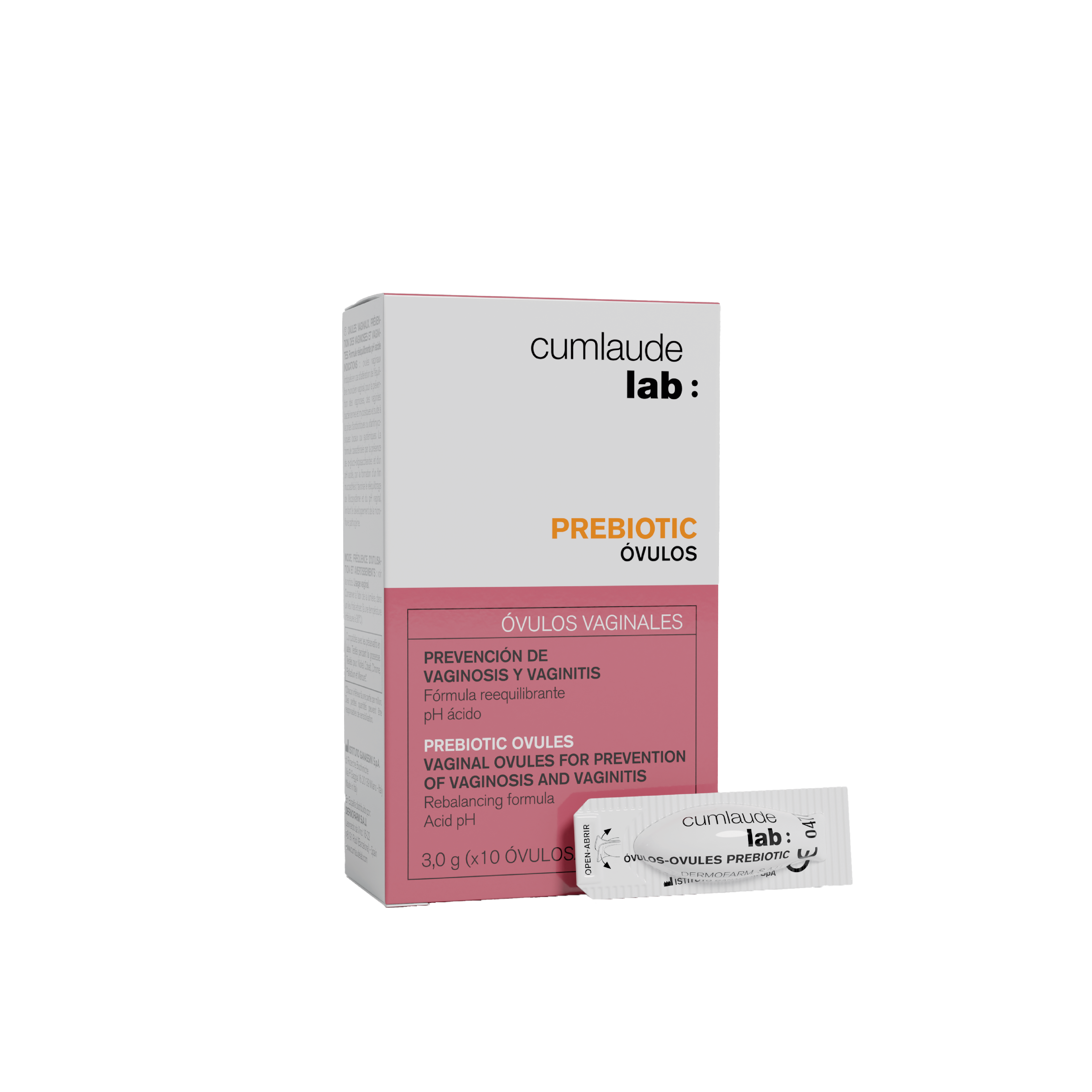
During this phase, if you usually experience vaginal dryness after your period due to the use of tampons, or if you often feel discomfort or suffer from recurrent infections, we recommend using our Prebiotic Vaginal Suppositories to rebalance the vaginal microbiota. They’re very easy to use: 1 ovule every night before bed, for 10 days. You’ll find that infections don’t return and that any internal discomfort disappears!
Ovulatory phase
Phase 3 of the menstrual cycle is called the ovulatory phase and usually begins around day 14. It lasts for 7 days and during this period you may experience mood swings: sadness, irritability… These changes are a result of falling oestrogen levels.
Our best advice for this phase? Get to know yourself. All these mood swings are normal. If you’re aware that they’ll happen on day 14 of your cycle, you’ll be better able to manage them.
The ovulatory phase ends with ovulation, which lasts between 16 and 32 hours – that is, with the release of the egg, which can be fertilised for up to 12 hours after it is released.
Luteal phase
The luteal phase is the fourth and final phase of the menstrual cycle. It begins after ovulation and continues until your period returns. This means it lasts around 14 days, with 9 to 16 days being considered normal.
What happens during this phase is that, following ovulation, the follicle that contained the egg transforms into a corpus luteum, which produces the hormones progesterone and oestrogen to support a pregnancy. Similarly, progesterone levels rise and the lining of the womb thickens to create a healthy environment for the potential implantation of an egg.
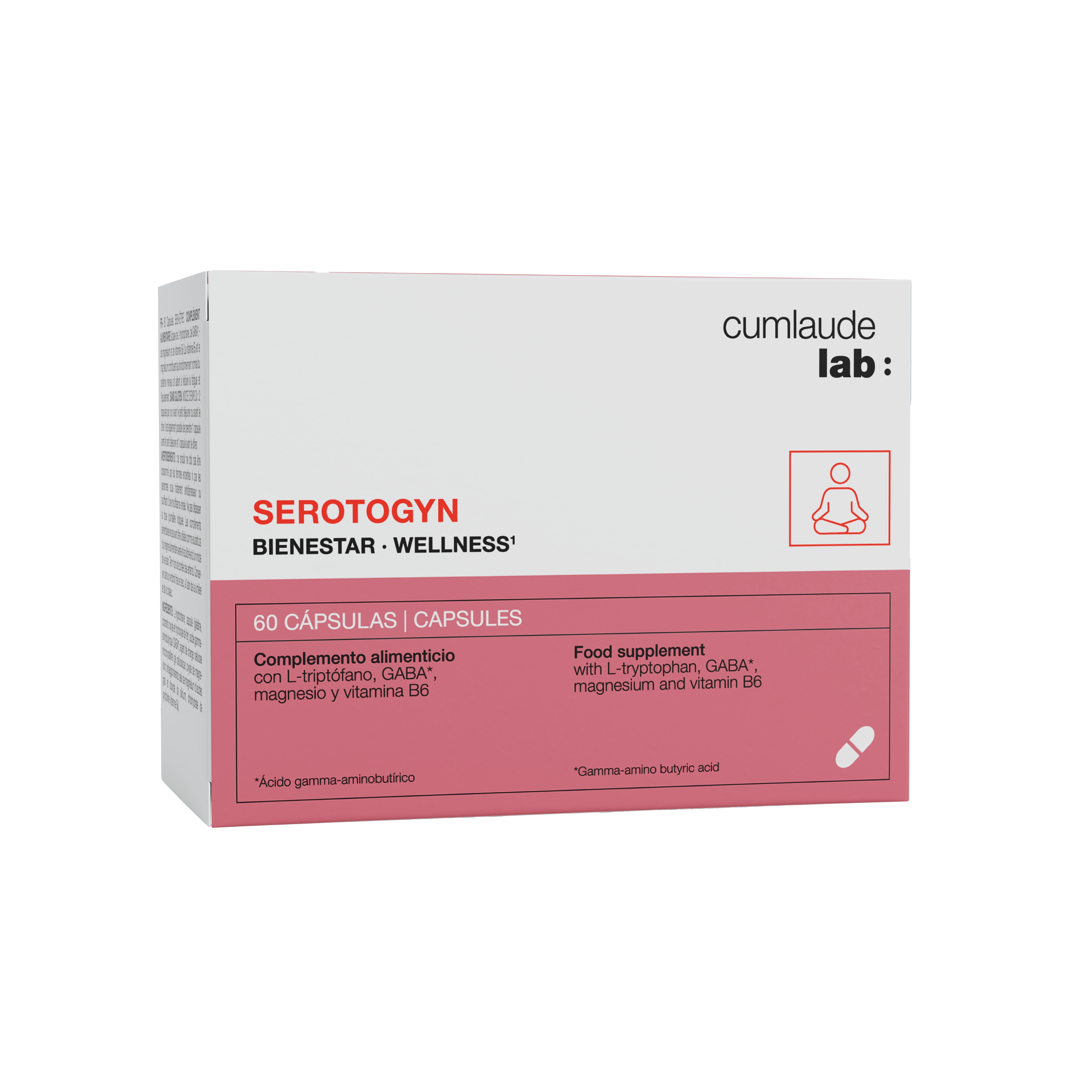
This phase is when premenstrual symptoms are most pronounced, so we recommend that you avoid alcohol and caffeine, and drink plenty of water. In addition, taking Serotgyn, our food supplement containing L-tryptophan, gamma-aminobutyric acid, magnesium and vitamin B6, can help you combat these premenstrual symptoms. We recommend taking 2 capsules a day in the morning with a large glass of water.
Recommended products
.webp)
.webp)
If you found this helpful, you might be interested in reading:
Article

How to choose the best intimate hygiene product
At Cumlaude Lab, we’ll help you choose the best intimate hygiene product to suit your needs.

