< Back
- Article
- Sexual relations
.png)
Painful sex? Causes and how to prevent it
by Cumlaude Lab
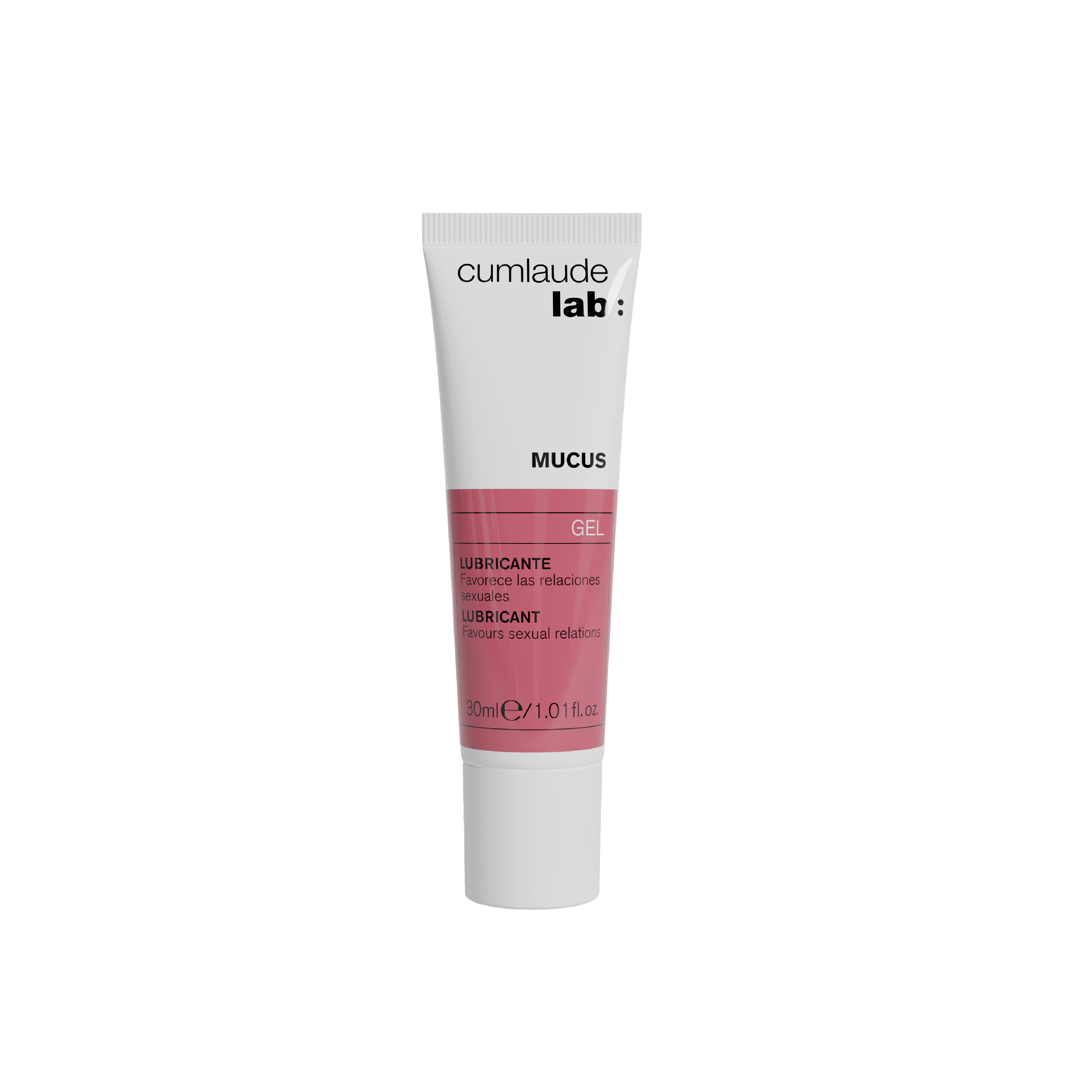
Experiencing pain or tightness during sexual intercourse is far more common than we realise. This pain, known as dyspareunia, can be caused by a number of factors: hormonal changes, lack of lubrication, stress, irritation or simply a temporary imbalance in the vaginal pH. The important thing to know is that this is not something you simply have to put up with. And that there are safe, gentle solutions that are compatible with the body’s natural vaginal physiology, such as vulvovaginal lubricants formulated to protect the mucous membrane, including MUCUS.
What exactly is dyspareunia?
Dyspareunia is persistent or recurrent genital pain during sexual intercourse, particularly at the moment of penetration. It can affect the vulva, the vaginal opening or be felt further inside. Understanding the causes helps you find the right solution.
Most common causes of pain during sexual intercourse
1. Hormonal changes
During perimenopause, the menopause, the postpartum period or whilst breastfeeding, oestrogen levels decrease. This leads to:
- Reduced natural lubrication.
- Increased friction during penetration.
- Thinner and less elastic vaginal tissue.
2. Changes in pH or infections
When the pH becomes less acidic, the mucous membrane loses its natural barrier. This leads to irritation, discomfort and
makes spontaneous lubrication more difficult.
3. Stress, anxiety or pelvic tension
Emotional factors reduce arousal and cause involuntary contraction of the pelvic floor, which increases discomfort.
4. Medication, illnesses or medical treatments
Some medicines dry out the vaginal tissue or disrupt natural lubrication.
5. Insufficient lubrication (the most common cause)
When the mucous membrane is not sufficiently lubricated, friction increases and discomfort, stinging or pain may occur. This is where a physiological lubricant, specifically formulated for the vulvovaginal area, can make all the difference.
How does a physiological lubricant help?
A suitable lubricant should provide glide, protection and comfort, whilst also meeting essential criteria to ensure it is safe for vaginal tissue. Unlike other
, more generic lubricants, a physiological lubricant is formulated to be compatible with the vulvovaginal mucosa, respecting its specific needs. The three criteria most highly valued by gynaecologists and pharmacists when recommending one are:
1. pH compatible with the vaginal mucosa
The vaginal pH is acidic and is key to protecting the microbiota. A lubricant that does not respect this balance may cause irritation or disrupt the flora.
MUCUS: Formulated with a physiological pH, compatible with the female intimate area.
2. Safe osmolality
A key factor that distinguishes a good lubricant from a poor one.
- If the osmolality is too high, it can draw water out of the vaginal tissue, causing further dryness.
- A balanced osmolality helps maintain comfort without damaging the mucosa.
MUCUS: Designed with the osmolality recommended by the World Health Organisation (WHO), to protect the integrity of the tissue and provide physiological lubrication.
3. Stringiness that mimics cervical mucus
An effective lubricant should provide:
- Natural glide.
- Reduced friction.
- Immediate comfort.
- A light, non-sticky sensation.
MUCUS: Its texture has been developed to mimic the properties of cervical mucus, promoting comfort during sexual activity.
When should I use a lubricant?
- Discomfort or pain during intercourse.
- Insufficient lubrication due to stress, anxiety or tiredness.
- Hormonal changes (perimenopause, menopause).
- Postpartum or breastfeeding.
- Sensitive mucous membrane or a tendency to irritation.
- Occasional vaginal dryness (including in young women).
How to use it to maximise comfort
Before sexual intercourse: Apply a suitable amount directly to the vulvovaginal area to improve glide and reduce friction.
In cases of recurrent dryness: It can be used regularly to improve comfort during intimacy.
Habits that complement the use of a lubricant
- Take time for arousal and foreplay
- Exercise your pelvic floor.
- Avoid products that alter the pH.
- Consult a healthcare professional if pain persists.
Don’t normalise pain: there are gentle and effective solutions
A lack of lubrication is a common cause of pain during sex, but there is a simple and safe solution: use a lubricant that respects the vaginal pH. If symptoms of pain still persist, you can supplement this with an intimate care routine to relieve vaginal dryness using both internal and external moisturisers.
If you have any concerns, consult your gynaecologist or pharmacist.
Recommended products
.webp)
.webp)
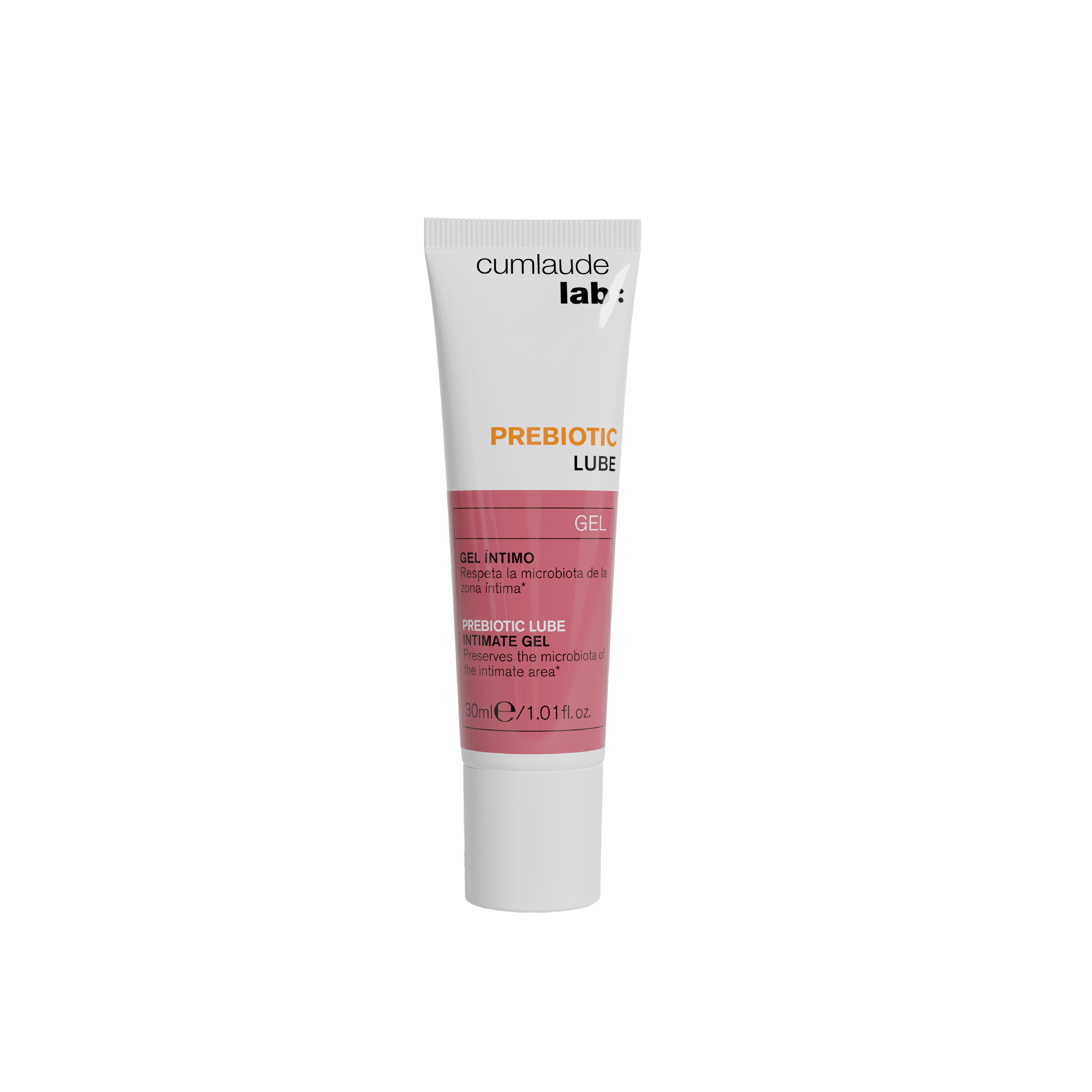
LUBE Prebiótico
A lubricant that respects the microbiota and helps prevent intimate discomfort
If you found this helpful, you might be interested in reading:
Article

Which product should I use for vaginal dryness?
Cream, vaginal suppositories or lubricant? Find out which product to choose to treat dryness, depending on your symptoms and stage of life. A comparison guide.