< Back
- Article
- Intimate care

Microbiota and the immune system: an essential balance
by Cumlaude Lab
The immune system is the body’s defence mechanism responsible for identifying molecules and bacteria that are harmful to the human body; once it recognises them, it must respond to them. This is precisely where the microbiota and the immune system are closely linked. Let’s find out more about this close relationship between the two!
What is the microbiota?
It is the collection of bacteria found in the digestive tract, including the mouth and the genital tract. It performs various functions: it aids in the digestion of food, synthesises essential vitamins and plays a vital role in the immune system, as it acts to protect our body from bacteria that can cause disease.
It is present in our bodies from the moment we are born and develops throughout our lives. Consequently, its composition varies between childhood, adolescence and adulthood.
Located in the bladder, genitals and gut, the microbiota is divided into the vaginal and gut microbiota. The vaginal microbiota is primarily responsible for defending the intimate area against pathogenic microorganisms. Meanwhile, the gut microbiota is supported by a bacterial ecosystem that helps maintain the immune system.
And what about the immune system – how does it work?
The immune system has two types of response: the innate or non-specific response and the acquired or specific response.
- The innate response is triggered when the body encounters antigens for the first time. Various cells within the system play a crucial role in transmitting information to the lymphocytes, which then triggers the specific or acquired immune response.
- The specific response is triggered when the body encounters an antigen with which it has had previous contact; it acts via memory cells. Scientifically, this comprises the cellular response of T lymphocytes, as well as the humoral response in which immunoglobulins are produced.
The relationship between the microbiota and the immune system
As mentioned earlier, the microbiota and the immune system are closely linked. They have a bidirectional relationship. On the one hand, the microbiota influences the development and maturation of the immune system from an early age. And the immune system monitors and regulates the composition of the microbiota to prevent the proliferation of disease-causing microorganisms.
Occasionally, an imbalance in the microbiota occurs, influenced by various factors such as hormonal changes associated with the menopause, sexual activity, poor hygiene practices and stress levels. This imbalance leads to reduced protection against pathogenic microorganisms, impairs the proper absorption of nutrients, increases the risk of sexually transmitted infections and contributes to fertility problems.
The perfect ally for this biological process is Tynbiotic Intimmune by CumlaudeLab, a food supplement that supports the normal functioning of the immune system. It contains prebiotics and tyndallised probiotics, shiitake extract, vitamins and minerals.
Find out more about Tynbiotic Intimmune by Cumlaude Lab
Tynbiotic Intimmune is a dietary supplement that boosts the functioning of the immune system by preventing an imbalance in the microbiota. It comes in the form of orodispersible sticks. This means it can be taken directly in the mouth without the need for water. It has an orange flavour to make it more pleasant to take.
It is recommended in situations where the immune system may be compromised, such as during sporadic or recurrent episodes of vaginosis and vaginitis, when taking oral antibiotics or antifungals, and as an adjunct to treatment for HPV infection.
In summary, the interaction between the immune system and the microbiota is a fascinating field of study that reveals ever deeper connections between health and microbial life. And, in this context, Tynbiotic Intimmune stands out as a supplement designed to effectively enhance and preserve this bidirectional relationship.
Sources
Medical and Surgical Centre for Digestive Diseases. What is the microbiota? What functions does it have? How to maintain a healthy microbiota: https://www.cmed.es/actualidad/que-es-la-microbiota-que-funciones-tiene-como-mantener-la-microbiota-sana_840.html
Medibiotix. The relationship between the microbiota and the immune system: https://medibiotix.es/science-fan-zone/microbiota-sistema-inmune
Institute of Microecology. The influence of the microbiota on the immune system in 4 points. https://microecologia.es/la-influencia-de-la-microbiota-sobre-el-sistema-inmunitario-en-4-puntos/
Saforelle. Imbalance in the vaginal microbiota. https://es.saforelle.com/consejo-de-expertos/microbiota-vaginal.html#:~:text=Excessive%20or%20inappropriate%20personal%20hygiene,Sexual%20life.
Medibiotix. Habits that alter the gut microbiota. https://medibiotix.es/consejos-para-mejorar-tu-salud/habitos-que-alteran-la-microbiota#:~:text=Inadequate%20rest%2C%20situations%20of,development%20of%20the%20gut%20microbiota.
Recommended products
.webp)
.webp)
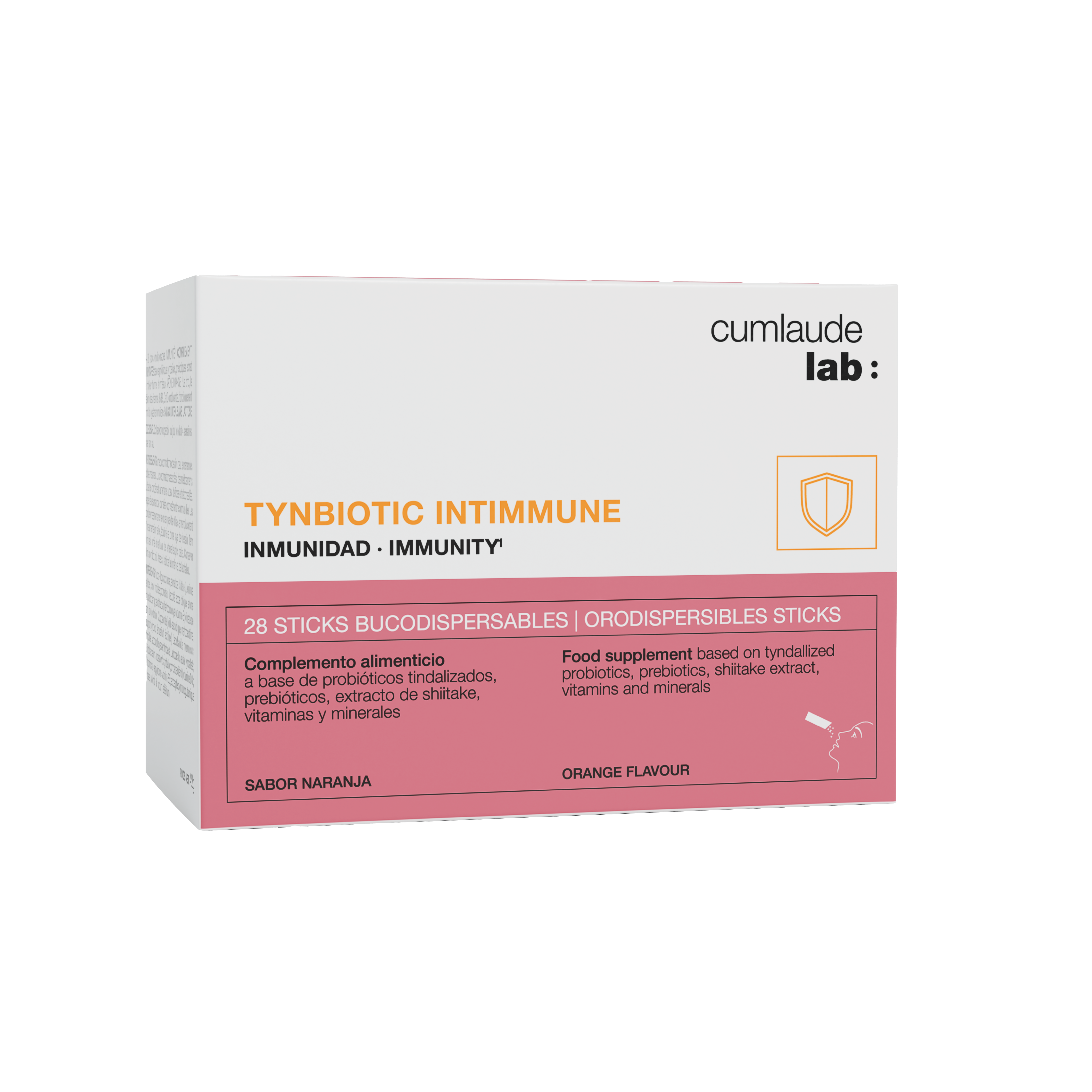
Tynbiotic Intimmune
A dietary supplement to boost the immune system in cases of microbiota imbalance

