< Back
- Article
- Intimate care

Lesions on the labia: causes and care routines
by Cumlaude Lab
The anatomy of the female genital region is highly sensitive, with the labia – both the labia majora and labia minora – being particularly delicate. These structures, which are essential to a woman’s intimate health and wellbeing, are made up of thin skin that is susceptible to various forms of genital irritation.
Minor injuries to the labia are not only a consequence of the delicacy of this skin, but also of external factors, including everyday activities such as hair removal (waxing, shaving or depilatory creams), friction during sexual intercourse and the presence of vaginal infections. This article will explain how to care for and prevent these minor injuries in the external genital area.
Causes of lesions on the labia
There are several causes that can lead to discomfort in the external genital area. For example, friction during sexual intercourse, particularly when it takes place without adequate lubrication, can cause small wounds on the labia or the vulva.
Another cause is hair removal using methods such as waxing, shaving or depilatory creams, which can irritate the skin and lead to cuts or cracks in the vulva.
Finally, vaginal infections caused by fungi, bacteria or viruses can cause irritation and lesions on the vulva, making the area even more sensitive.
Explore our products!
All these external factors can damage the thin, sensitive skin of the intimate area. To prevent this, here are some tips that may be very useful.
- Clean the affected area with lukewarm water and a SYNDET soap that respects the area’s pH and does not cause irritation. Find your favourite here, based on format and texture.
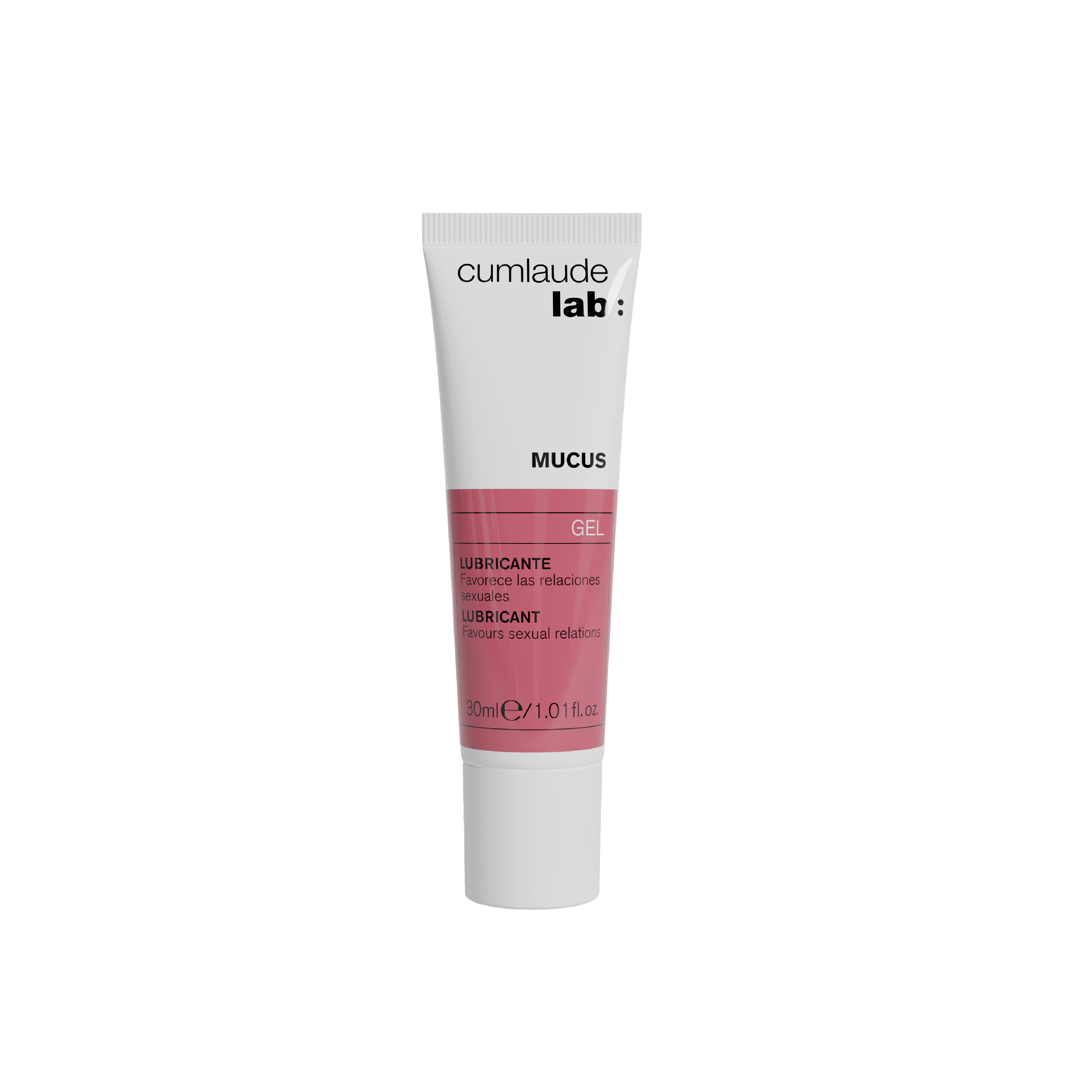
- Use a water-based lubricant during sex to reduce friction and prevent further irritation. We recommend Mucus, our lubricant formulated with hyaluronic acid and lactic acid.
- Opt for cotton underwear and, if possible, choose light colours. Cotton underwear allows for better ventilation and reduces irritation.
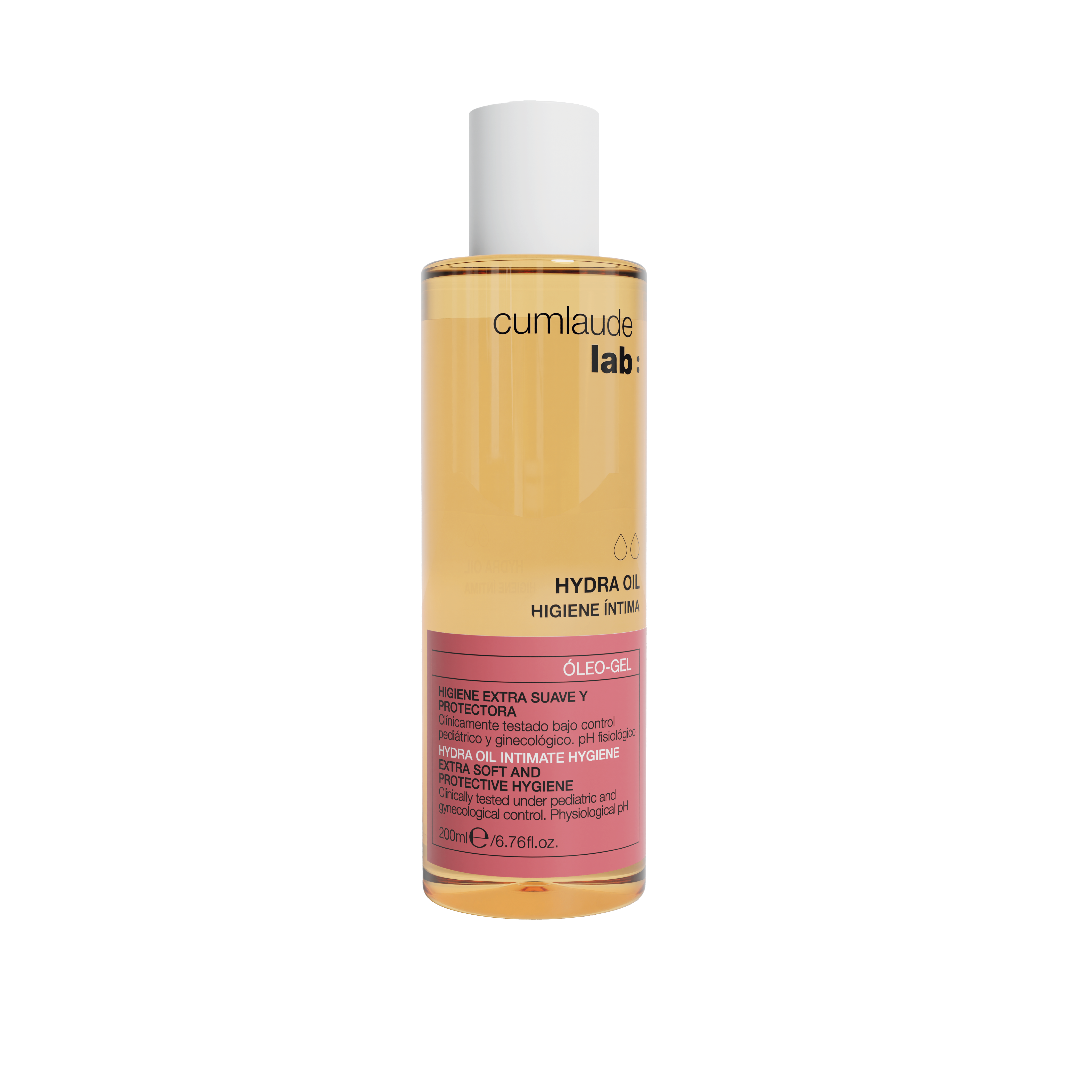
- Apply a vulvar moisturiser to regenerate the skin. Hydra Oil Vulvar Moisturiser, which combines five 100% natural biotechnological oils in its formula, will provide emollient and regenerative properties that will be of great benefit to you. Use it morning and night.
Of course, if the sores persist, get worse or are accompanied by other symptoms, it is important to seek medical advice to rule out infections or other underlying conditions. Below, we outline some situations in which you should consider consulting a healthcare professional:
- Persistent or worsening wound: If the wound shows no signs of improvement after a few days of intimate care, or if it worsens, it is advisable to seek medical advice.
- Severe pain or swelling: If you experience severe pain, significant swelling or redness around the sore, this could be a sign of a genital infection or another complication.
- Fever: If you experience episodes of fever, this could be a sign of a systemic infection, and it is important to seek medical help immediately.
- Persistent painful sexual intercourse: If the sores are related to sexual activity and persist, cause constant pain or make sexual intercourse difficult, it is advisable to seek medical advice.
- History of sexually transmitted infections (STIs): If you have reason to suspect that the sore may be related to an STI, it is essential to seek medical testing and treatment.
- Excessive bleeding: If the sore causes excessive bleeding that does not stop with direct pressure, seek medical help immediately.
Remember that timely and appropriate care can prevent complications and ensure your intimate wellbeing.
Why are sores on the labia common?
Sores on the labia are relatively common due to the delicate and sensitive nature of the skin in this area of the body. The labia, both the labia majora and labia minora, are made up of thin skin that can be easily irritated by external factors. Furthermore, everyday activities and hygiene practices can cause minor injuries which, although generally not serious, can be uncomfortable and painful.
One of the main causes of these lesions is friction during sexual intercourse, particularly when adequate lubrication is not used. Constant friction can irritate the skin, causing minor abrasions or wounds. This problem is more common during prolonged sexual intercourse or when the skin is more sensitive due to other factors, such as hormonal changes or vaginal dryness.
Another common cause of injuries to the labia is hair removal. Waxing, shaving or the use of depilatory creams can damage the delicate skin in the genital area, causing cuts or irritation. Frequent or incorrect hair removal increases the risk of minor wounds, as well as possible folliculitis (infections of the hair follicles).
Vaginal infections, such as those caused by fungi, bacteria or viruses (for example, the herpes virus), can also be responsible for the appearance of sores on the labia. These infections can disrupt the skin’s natural barrier, making it more vulnerable to irritation and inflammation, which facilitates the formation of lesions. Furthermore, some infections can cause painful ulcers or sores in the genital area.
Other factors contributing to lesions include the use of harsh intimate hygiene products, such as perfumed soaps, sprays or wet wipes, which alter the pH of the genital area and can cause irritation. Furthermore, wearing tight-fitting underwear made of synthetic or non-breathable materials, which hinders ventilation in the area, can increase the risk of irritation and friction on the labia.
In summary, lesions on the labia are common due to a combination of the fragility of the skin in this area and various everyday factors. Although these lesions are not usually serious, it is essential to ensure proper care to prevent their occurrence and, if they do occur, to treat them promptly to avoid complications.
Prevention and recommended treatments for genital lesions
Preventing lesions on the labia begins with paying attention to intimate hygiene. Using gentle, area-specific products, as well as lubricants during sexual intercourse, can reduce the risk of friction. Hair removal should be carried out carefully, using suitable products that respect the sensitive skin of the genital area.
In the event of lesions, it is essential to apply Cumlaude Lab vulvar moisturisers, such as Hydra Oil Vulvar Moisturiser, which help to regenerate the skin and keep it healthy. Furthermore, using suitable lubricants during sexual intercourse can prevent irritation and aid recovery.
Lesions on the labia, although common, can be prevented and treated with specific care. Maintaining good intimate hygiene, using suitable lubricants and taking care of the genital area during sexual intercourse are essential steps to prevent irritation and injuries. If the lesions persist or worsen, it is crucial to seek medical attention to ensure a complication-free recovery. Intimate health is a priority, and with the right care, you can keep your genital wellbeing in the best possible condition.
Frequently asked questions about injuries to the labia
How do injuries to the labia heal?
Sores on the labia usually heal naturally with proper care. It is important to keep the area clean and dry, use products that respect the area’s pH balance, such as a SYNDET soap, and avoid further irritation. Vulvar moisturisers, such as Hydra Oil Vulvar Moisturiser, can also help speed up skin regeneration. If the sores persist or get worse, it is advisable to consult a doctor.
Why do I get sores on my labia?
Sores on the labia can be caused by various factors, such as friction during sexual intercourse without adequate lubrication, hair removal methods such as waxing or shaving, and vaginal infections. In addition, the use of harsh intimate hygiene products or tight-fitting underwear can also cause irritation and minor sores.
How can I prevent sores on my labia?
To prevent sores on the labia, it is important to take certain precautions, such as:
- Using a water-based lubricant during sexual intercourse to reduce friction.
- Avoiding excessive or incorrect hair removal, and opting for less harsh methods.
- Choosing cotton underwear and avoiding very tight-fitting garments that may cause irritation.
- Applying a vulvar moisturiser such as Hydra Oil Vulvar Moisturiser to keep the skin regenerated and healthy.
When should I see a doctor about a wound on the labia?
You should see a doctor if the wound on the labia meets the following criteria:
Early treatment can prevent complications and ensure appropriate care.
- The sore does not improve after several days of proper care.
- You experience severe pain, a fever, or significant swelling around the sore.
- Sexual intercourse is painful because of the sore.
- The bleeding does not stop with direct pressure.
- The wound is associated with symptoms of vaginal infections or sexually transmitted infections (STIs).
What products should I use to treat wounds on the labia?
The products recommended by Cumlaude Lab for treating genital wounds include:
These products are essential for keeping the intimate area healthy and aiding wound healing.
- Water-based lubricants, which can help reduce friction during sexual intercourse.
- Vulvar moisturisers such as Hydra Oil Vulvar Moisturiser, which helps to regenerate the skin and prevent dryness.
- Mild soaps such as SYNDET, which respect the pH of the genital area without causing irritation.
Can sores on the labia be a sign of a sexually transmitted infection (STI)?
Yes, some sexually transmitted infections (STIs), such as genital herpes, can cause painful ulcers or sores on the labia. If you have reason to suspect that the genital sore might be related to an STI, it is crucial to consult a healthcare professional for testing and to receive the appropriate treatment.
Is it normal for sores on the labia to bleed?
A little bleeding may be normal if the sores on the labia are superficial. However, if the bleeding is excessive or does not stop with direct pressure, it is important to seek medical attention immediately. Bleeding may be a sign of a more serious injury or a complication that requires professional treatment.
Recommended products
.webp)
.webp)
If you found this helpful, you might be interested in reading:
Article

How to choose the best intimate hygiene product
At Cumlaude Lab, we’ll help you choose the best intimate hygiene product to suit your needs.