< Back
- Article
- Menopause

It’s not you, it’s your vagina: vaginal dryness during the menopause
by Cumlaude Lab
Menopause is a natural stage in a woman’s reproductive system. It is marked by the cessation of menstruation and can bring about a series of hormonal changes, which have a significant impact on health and wellbeing. Vaginal dryness can be one of these changes, affecting your sex life, mood and overall quality of life. Does this sound familiar? You’re not alone! We’ll tell you more about the most common symptoms and how to treat them.
What do you know about the menopause and vaginal dryness?
Most women experience the menopause between the ages of 45 and 55 as a natural part of life. During this time, the ovaries lose their follicular function – in other words, they stop producing eggs. This biological ageing process (which is completely normal!) causes oestrogen levels in the blood to fall, and generally presents as a transitional period that begins with changes to the menstrual cycle. Listen up, everyone! This process, known as perimenopause, can last several years and has various visible signs:
- It’s so hot! You’ve no doubt heard of hot flushes and night sweats. Well, yes, you may experience sudden hot flushes, flushing, sweating and palpitations.
- Keep your calendar to hand! Your cycle may change and become more irregular.
- Your sleep may also be affected, as you might experience sleep disturbances.
- And now, the topic we’re here to discuss today: vaginal dryness during the menopause. It can be accompanied by itching, a burning sensation and pain, usually during sexual activity. This is called dyspareunia. Fortunately, there are options to tackle these problems!
The main symptoms of vaginal dryness during the menopause
As we mentioned earlier, oestrogen levels drop, causing the vaginal tissues to become thinner, less elastic and more fragile. Vaginal secretions decrease and the pH rises, leading to vaginal dryness. Phew, we know exactly how you feel! One in three women will experience this condition at some point in their lives, and the menopause is the perfect time for it to happen.
During this period, vaginal secretions decrease so much that natural lubrication can practically disappear. This can cause swelling and pain, which are often worse during sex. Sounds annoying, doesn’t it?
Hot flushes and other menopausal symptoms we mentioned earlier are more noticeable, which is why we often find it easier to talk about them. However, vaginal dryness often remains a taboo subject. We encourage you to talk about it so that it doesn’t affect your quality of life – you’re not the only one this happens to!
To help you be aware of this, take note of some of the symptoms that may accompany vaginal dryness. Remember that the onset and severity of these symptoms vary from woman to woman.
- Pain and discomfort. Your vagina is made up of various folds that expand at certain times, such as during sex or when you’re in labour. With the menopause, these folds flatten out, which can cause itching and pain.
- Changes to your vaginal canal. The menopause causes the vagina to become shorter and narrower. Be careful! This can cause pain and may even lead to injury.
- Loss of sensitivity. Yes, sex can become less pleasurable. You may notice a loss of sensitivity (especially in the clitoris).
- Urinary incontinence. When you exercise, cough or sneeze, you may notice the occasional leak of urine. This is because your pelvic floor is slightly weaker.
- Infections. Imagine the complex process your body is going through: hormonal changes alter the vaginal microbiota, making it easier for bacteria to multiply.
Remember to consult your trusted gynaecologist to find out about the different treatments available. In this video, Dr Marimer Pérez, a gynaecologist and obstetrician, shares some very useful tips for combating vaginal dryness. Don’t miss it!
Tips for alleviating vaginal dryness during the menopause
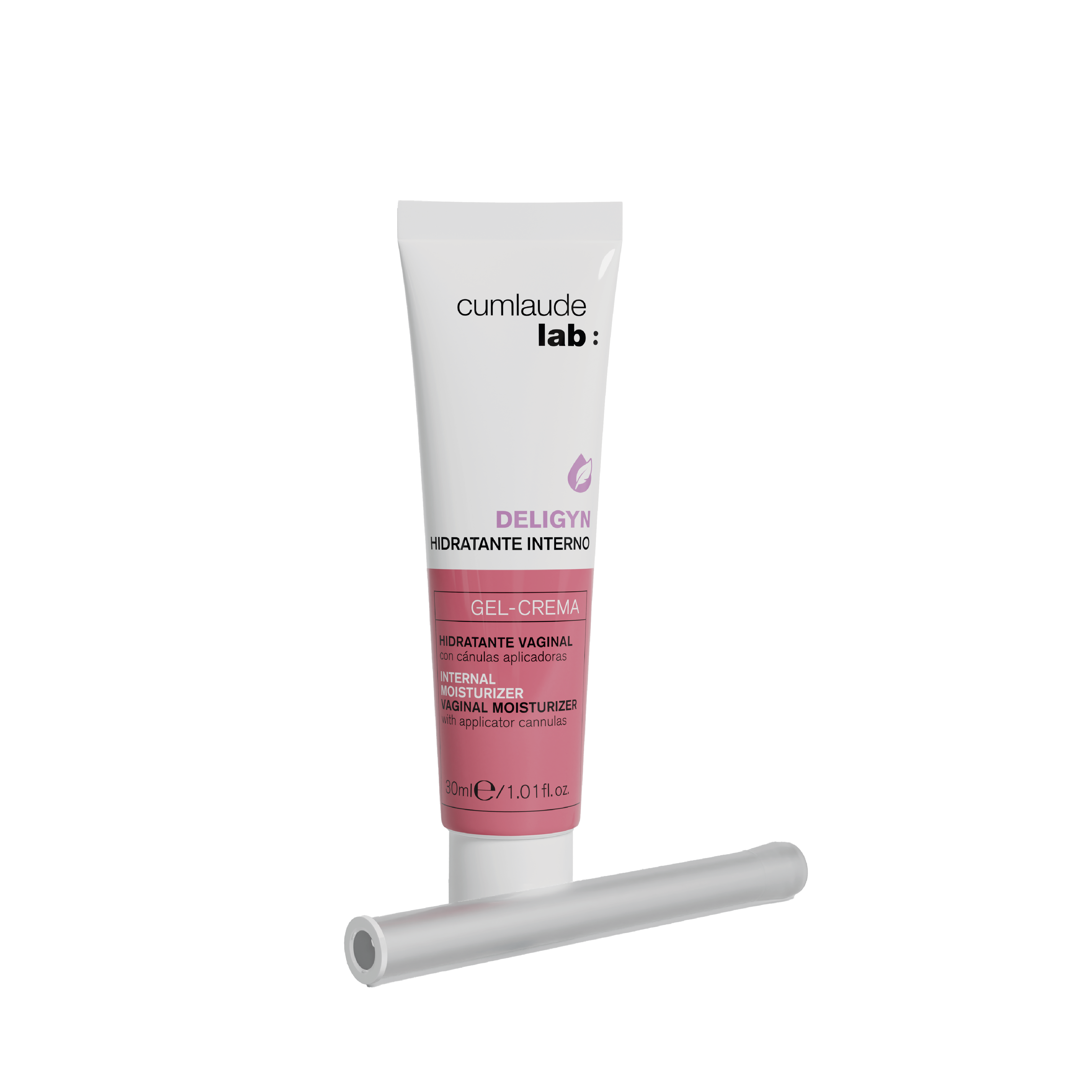
To relieve the symptoms of vaginal dryness, we recommend using an internal moisturiser. At Cumlaude Lab, we have two products that can help you through this important stage of the menopause:
- Deligyn Internal Moisturiser in cannula form.
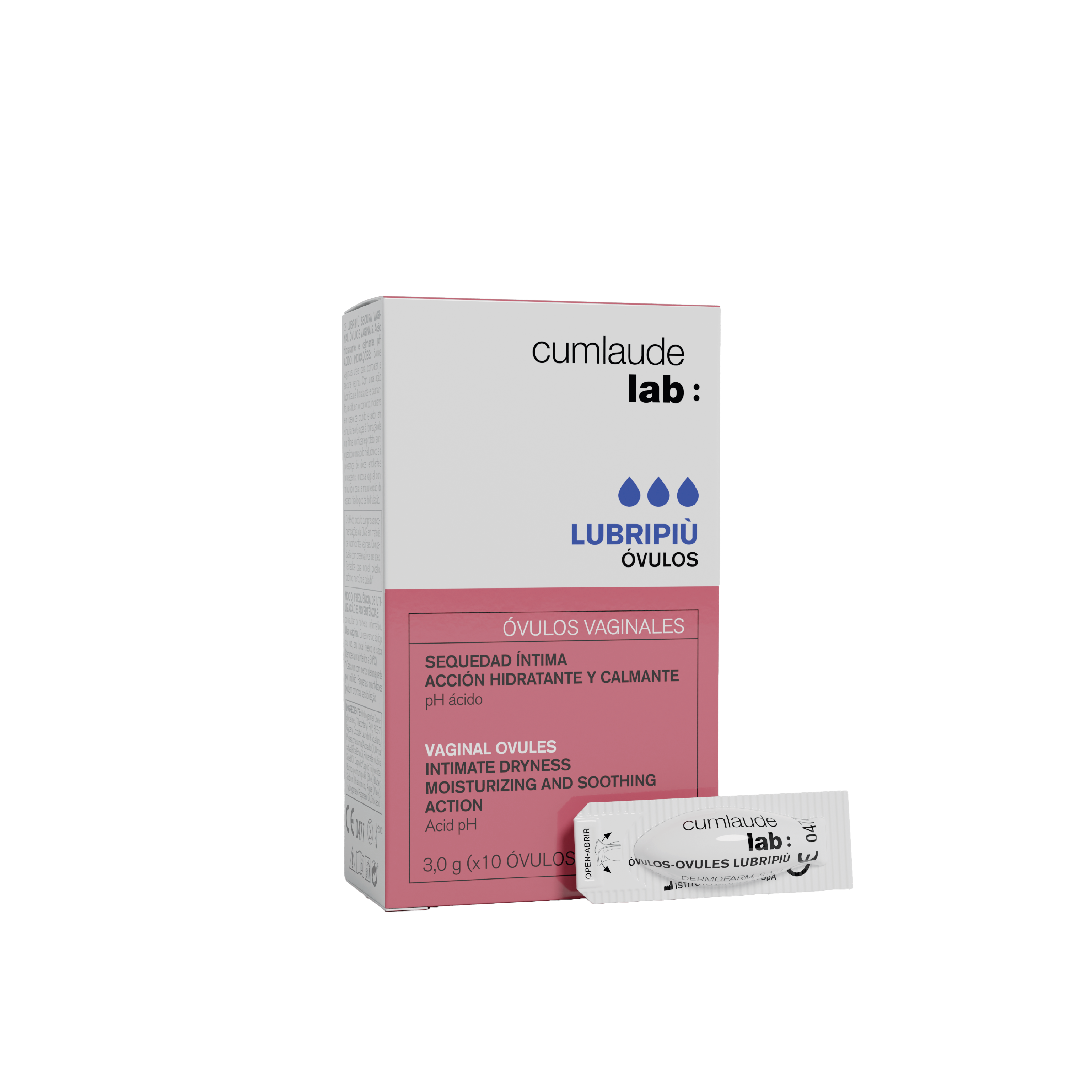
- Lubripiù Ovules in ovule form.
Both are designed to combat vaginal dryness through their moisturising and soothing action. We recommend using them every other day and at night.
If you experience pain during sexual intercourse, we also recommend using a lubricant such as Mucus, a water-based lubricating gel containing hyaluronic acid and lactic acid that keeps the intimate area soft and moisturised. It leaves no residue or stains!
Life during the menopause doesn’t have to be a struggle! Supporting your body’s natural processes with the right advice and treatments is essential, so that you can discover new ways to enjoy your sexuality and continue to live life to the full.
Discover our full IntimCare range for this stage of life, and remember that communication is key: talk to your doctor, friends or partner – you’re not the only one going through this!
Sources
Sex and the menopause: treatment for symptoms. National Institute on Ageing (NIH). https://www.nia.nih.gov/espanol/sexo-menopausia-tratamiento-sintomas
Vaginal dryness after the menopause: how to treat it? Mayo Clinic. https://www.mayoclinic.org/es/diseases-conditions/menopause/expert-answers/vaginal-dryness/faq-20115086.
Menopause. World Health Organisation. https://www.who.int/es/news-room/fact-sheets/detail/menopause
Let’s talk about the menopause. Kantar. 2022.
Recommended products
.webp)
.webp)
Lubripiù Óvulos
Vaginal ovules with lubricating, moisturising and soothing properties to combat vaginal dryness.
If you found this helpful, you might be interested in reading:
Article

Sex doesn’t stop at the menopause: advice for this stage of life
Sex during the menopause is a major concern for women going through this phase. Here are our tips to help you cope with this stage!

