< Back
- Article
- Intimate care

Night sweats during the menopause
by Cumlaude Lab
The menopause is a natural stage in a woman’s life, characterised by certain menopausal symptoms such as the gradual cessation of ovarian function and a decline in hormone levels, particularly oestrogen. Along with other symptoms, night sweats are a common and often uncomfortable part of this transition. In this article, we will explore in detail what night sweats are, why they occur during the menopause and how they can be effectively managed.
What are night sweats?
Night sweats, also known as nocturnal hot flushes, are episodes of hot flushes and night-time sweating that occur during the night, disrupting sleep and causing discomfort. These episodes are usually accompanied by a sensation of intense heat spreading through the body, as if the body temperature were rising. Women who experience night sweats may wake up to find their clothes and bed soaked, which can affect their sleep quality and general well-being.
Causes of night-time hot flushes during the menopause
Night sweats are a direct result of the hormonal changes characteristic of the menopause. As oestrogen levels decline, it is believed that the temperature control centre in the brain becomes more sensitive, which can lead to overstimulation of the body’s thermal regulation mechanisms. As a result, the body may interpret that it is hotter than it actually is, triggering a sweating response to cool itself down.
Symptoms and impact of night sweats
As well as excessive night-time sweating, many women also experience hot flushes during the day. These episodes can vary in intensity and duration, and are often accompanied by skin reddening, a racing heartbeat and a general feeling of discomfort.
Night sweats and hot flushes can negatively affect quality of life, disrupt sleep and lead to daytime fatigue, irritability and difficulty concentrating.
Managing and relieving hot flushes
Although night sweats can be troublesome, there are various strategies for managing and relieving this symptom:
- Appropriate clothing: Wearing light, breathable bedwear and clothing can help reduce discomfort during sweating episodes. Opting for layers also allows you to adjust your clothing as needed.
- Controlling the temperature in the bedroom: Keeping the room cool and using fans can help reduce the frequency and intensity of night sweats.
- Diet and lifestyle: Avoiding hot foods and drinks, spicy foods and alcohol – which can trigger sweating episodes – may be helpful. Maintaining a healthy diet and taking regular exercise can also improve symptoms.
- Stress management: Practising stress management techniques, such as meditation and yoga, can help reduce the frequency and intensity of night sweats.
In addition, in this video, Dr Sánchez Borrego and Dr Sofía Fournier share some further advice on menopausal hot flushes in general. Don’t miss it!
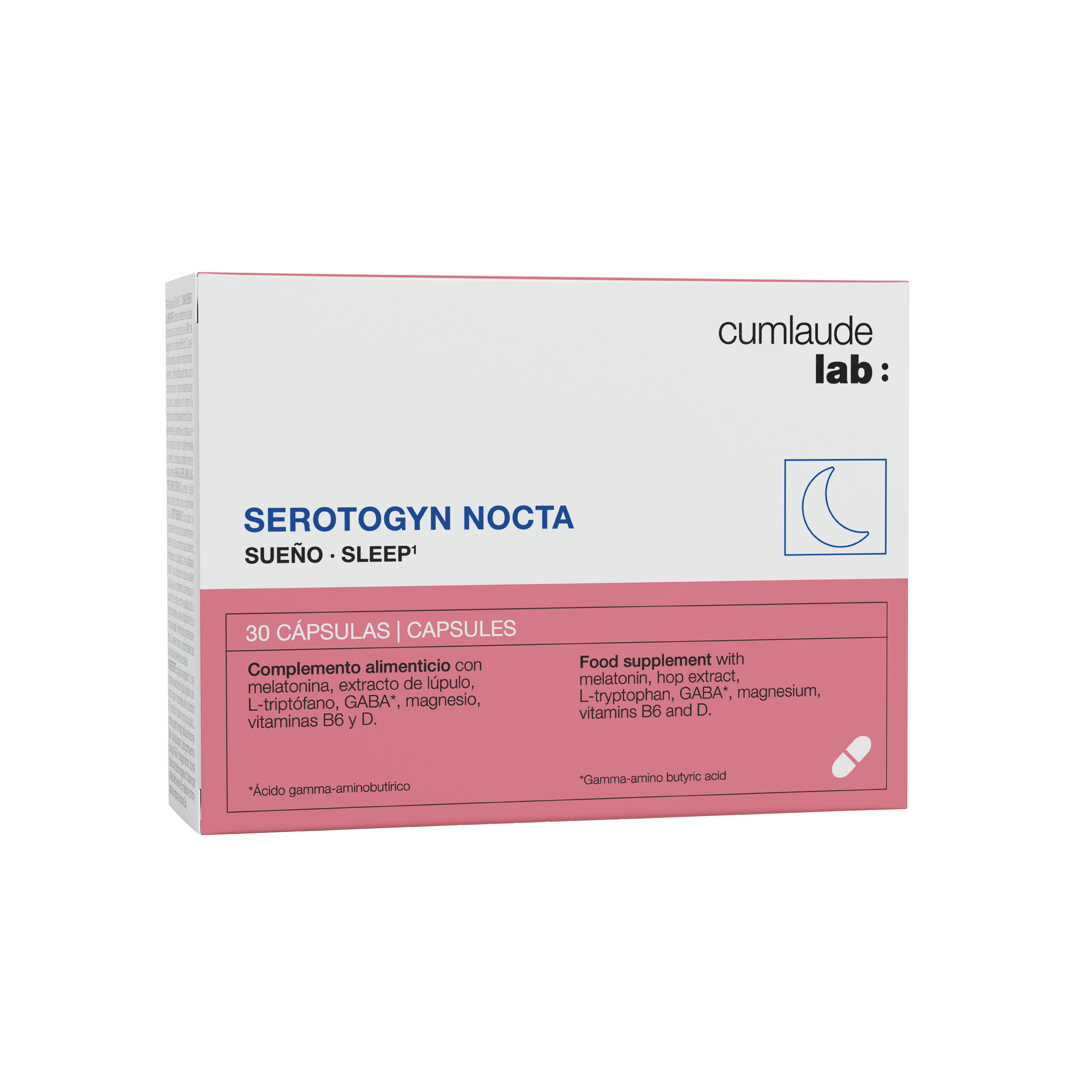
Serotogyn Nocta, a solution for night-time sweating
There are various products on the market designed to tackle the symptoms associated with the menopause, including night sweats. Here at Cumlaude Lab, we’d like to recommend Serotogyn Nocta, our dietary supplement which you should take 30 minutes before going to bed and which will help you enjoy a good night’s sleep thanks to its composition, which contains:
- Hops: Hops are a common ingredient in beer production, but they have also been used as a treatment option due to their potential effects on hormone regulation and therapy, and for alleviating the symptoms of the menopause, including night sweats.
- Magnesium: This mineral is essential for many bodily functions, and some people have reported that taking magnesium supplements can help reduce the symptoms of the menopause, including night sweats.
In conclusion, night sweats are a common symptom of the menopause, resulting from hormonal changes that affect the body’s temperature regulation. Whilst they can be uncomfortable, there are various strategies for managing and alleviating them, which can improve women’s quality of life and general well-being during this stage of life.
As always, it is advisable to seek medical advice to develop a personalised and effective management plan.
Recommended products
.webp)
.webp)
