.webp)
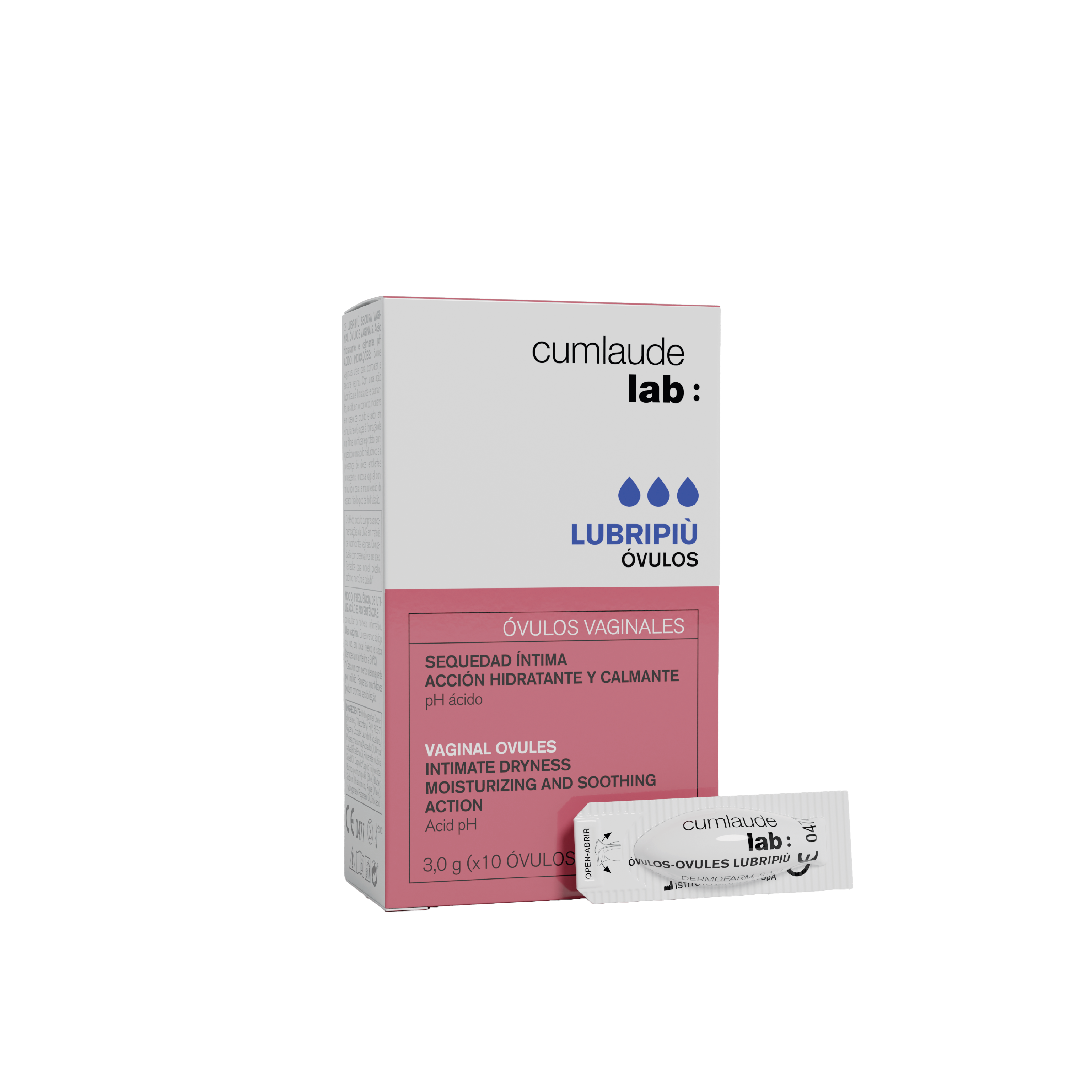
Lubripiù Óvulos
Vaginal ovules with lubricating, moisturising and soothing properties to combat vaginal dryness.

by Cumlaude Lab
Are you experiencing discomfort in your intimate area? More than 75 per cent of women experience this discomfort during sexual intercourse. As well as being caused by vaginal infections, these discomforts can result from a lack of vaginal hydration or poor vaginal lubrication, which can lead to issues such as vaginal irritation. It’s important to distinguish between these two issues in order to find the right solution. In this article, we explain everything you need to know.
We often make the mistake of using vaginal lubricants and vaginal moisturisers interchangeably, but it’s important to know that they have specific functions.
Vaginal hydration refers to the elasticity and flexibility of the tissues in the vagina and cervix. A lack of vaginal hydration will cause dryness, itching and/or pain during sexual intercourse.
One of the most common causes of this discomfort in the intimate area is a drop in oestrogen levels, a very common issue during the menopause.
To improve our vaginal hydration, we need to use products that maintain optimal water retention in the tissues of the vagina. We have the option of using two formats:
To understand lubrication, we need to consider it within the context of desire and arousal – that is, the human sexual response, which consists of different phases.
The first is arousal, which is a general bodily reaction involving an increase in heart rate, body temperature and flushing… The second phase occurs at the genital level and involves clitoral erection – that is, increased sensitivity and a series of specific vaginal secretions that constitute vaginal lubrication.
We have lubrication produced by the vulvar glands, known as the Bartholin’s glands, which are released once we are aroused and serve to prepare the vaginal opening for penetration and sexual activity. And then there is vaginal exudate. During arousal, there is genital swelling; more blood flows to the genitals, and naturally, some fluid is released from the cells of the vaginal mucosa into the vaginal canal. This vaginal discharge helps to keep the vagina moist.
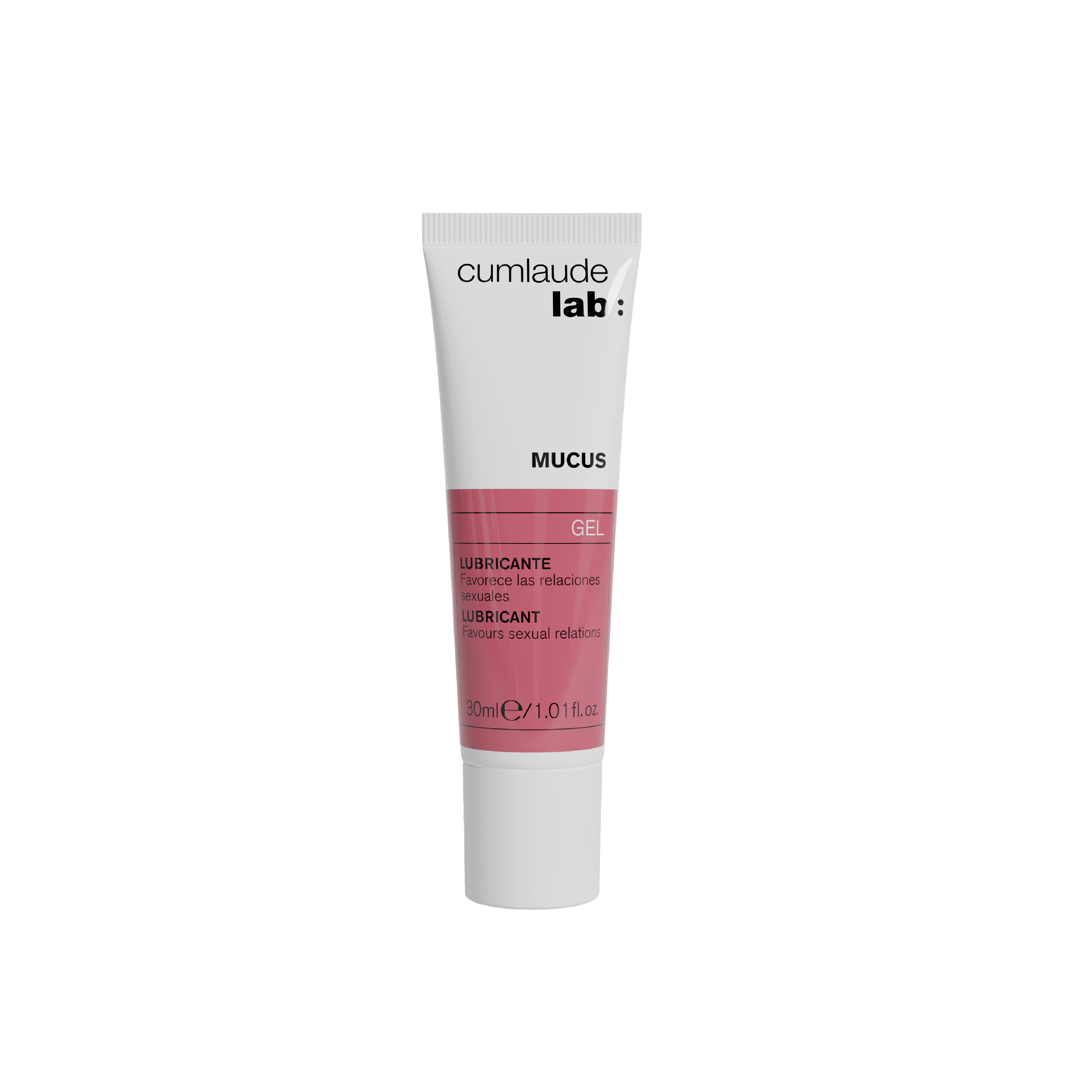
Vaginal lubricant is intended for occasional use to help prevent a lack of lubrication. It can be used during sexual intercourse, but also to facilitate the insertion of sex toys or pelvic floor exercisers.
It is recommended that vaginal lubricant be water-based, mimicking a woman’s cervical mucus, and that it have a pH of around 4.5 and suitable osmolarities.
There are many physiological causes that can affect our vaginal lubrication and hydration, such as polycystic ovary syndrome (PCOS), hypothyroidism, diabetes, hormonal contraceptives, medication, pregnancy… We’ve always been told that these two issues are typical in women going through the menopause, but remember that they can happen to any of us, whatever our age!
Ultimately, it’s very important to have a clear understanding of the concepts of vaginal hydration and intimate lubrication, as this will help us make better use of our products. Many women continue to use vaginal lubricants as moisturisers and vice versa, but the truth is that these are products with very different characteristics and completely opposite purposes. An intimate lubricant is used on an ad hoc basis and improves penetration or sexual activity, whilst a vaginal moisturiser conditions the mucous membrane to improve its long-term hydration and elasticity.
We’ll answer your questions about when and how to use lubricant to enhance pleasure during sex.
.webp)

