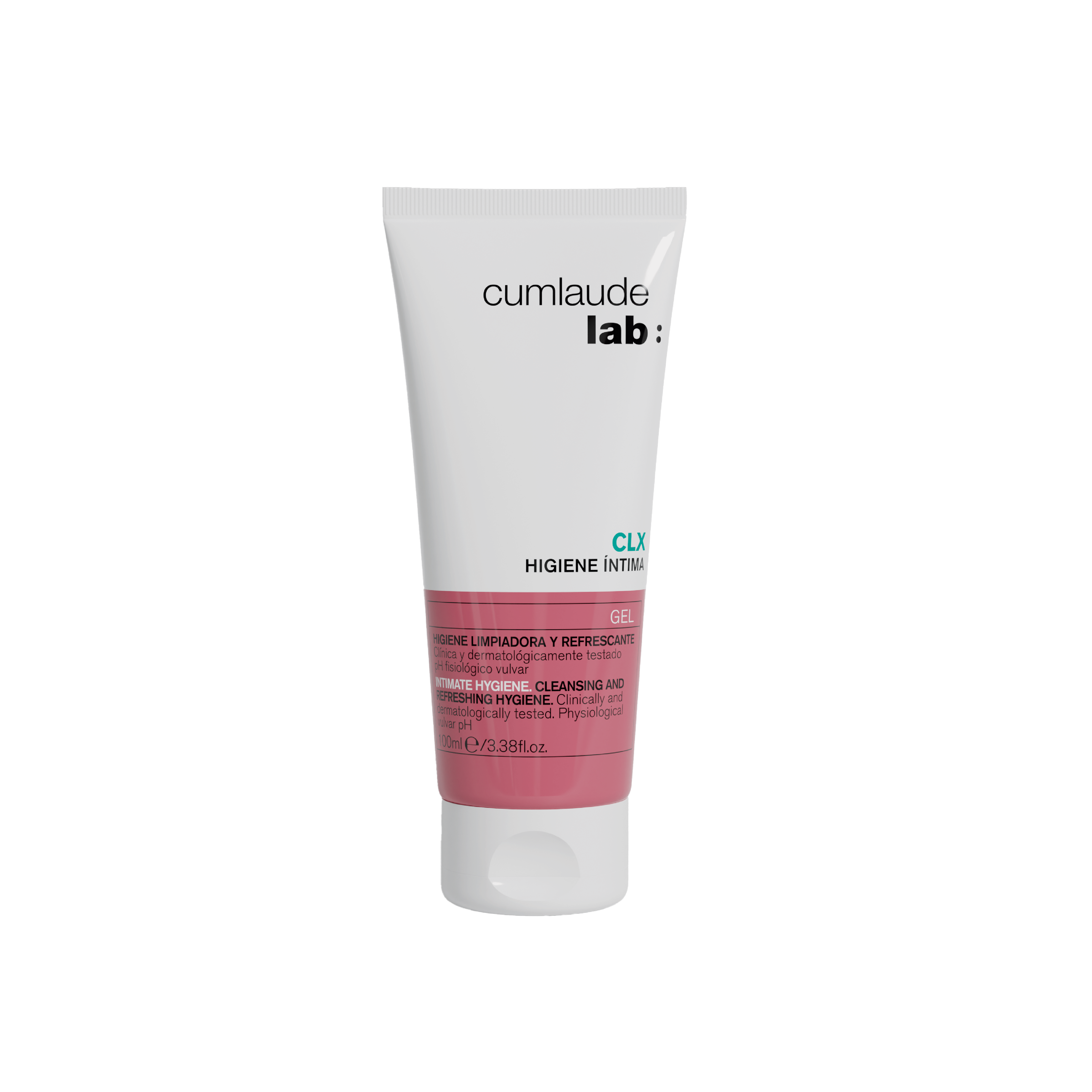

CLX Higiene Íntima
A cleansing gel with sanitising and protective properties, in an eco-friendly format.

by Cumlaude Lab
The female intimate area is far more complex than we realise. It is where the genital, urethral and digestive systems meet, each with its own distinct microbiota. Furthermore, it is a moist area, with many skin folds and a sensitive mucous membrane. All these characteristics mean that even simple habits, such as the choice of underwear, can directly affect its balance and wellbeing.
At Cumlaude Lab, we like to talk about taboo subjects, to break down each and every one of them. For this reason, in this article, we’re sharing some tips that will be very useful for ensuring the health of your intimate area and thus avoiding vaginal problems caused by your underwear.
Cotton will always be the fabric of choice for our intimate area. It is the most breathable fabric and has the greatest absorbency.
It’s true that it isn’t always the most attractive option; knickers made of Lycra, silk, elastane or polyamide may look more appealing for intimate and sensual moments, but these are synthetic fabrics that trap moisture, aren’t breathable and don’t absorb vaginal discharge. All of this increases the likelihood of imbalances in our microbiota, which may or may not present with symptoms, and which could trigger a potential condition or infection. This does not mean that wearing underwear made from these fabrics will lead to more infections. Every woman is different! However, it is true that we will be creating less-than-ideal conditions for our genital area.
We also recommend wearing knickers and period underwear, as they are very comfortable and hygienic during your period.
Dark dyes can be more irritating, in the same way as scented toilet paper, the use of fabric softener or products unsuitable for genital use, because the chemical content can irritate skin as sensitive as that of the vulva.
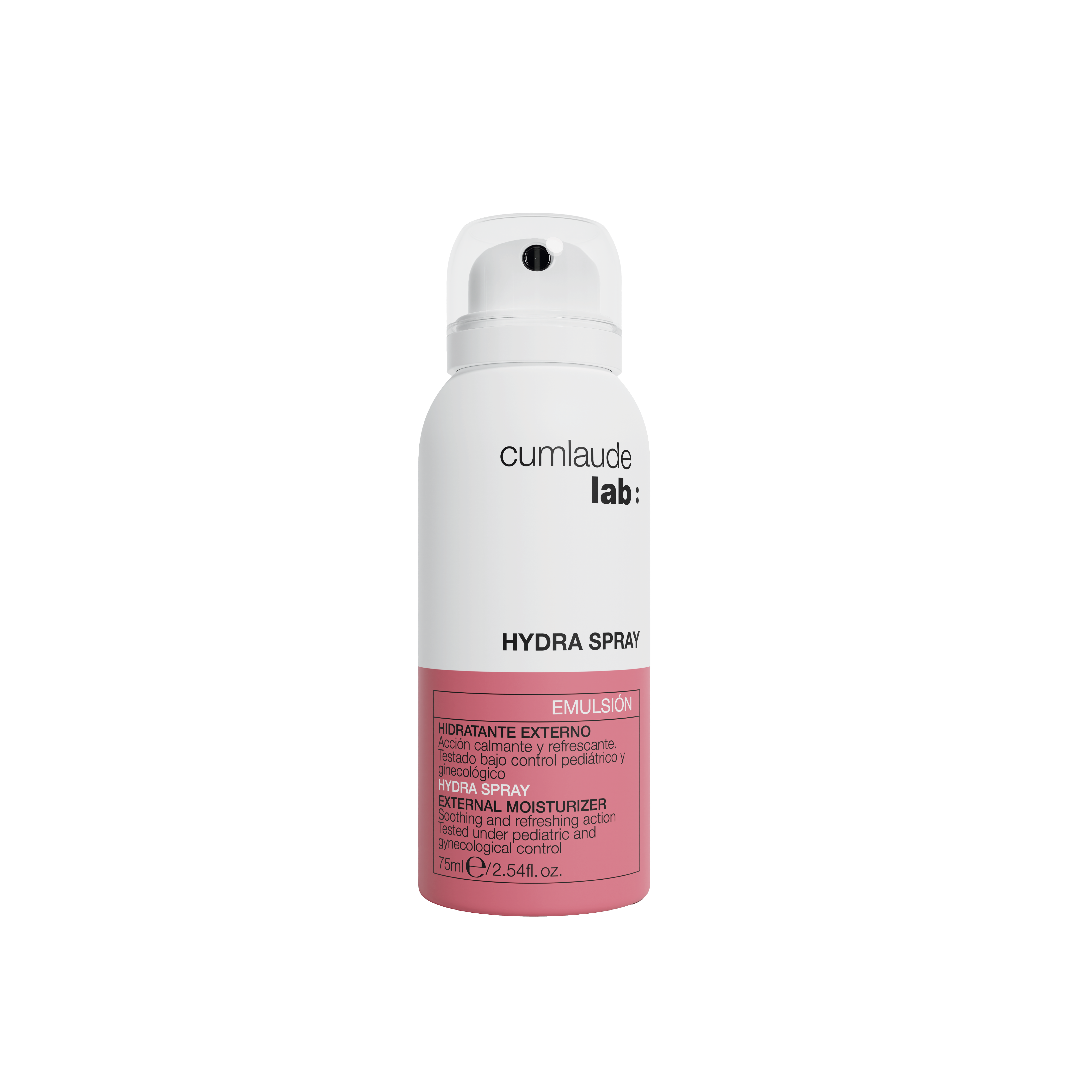
In these cases, if you don’t want to stop wearing dark underwear, you can use a vulvar moisturiser such as Hydra Spray, which will help soothe any irritation.
We must bear in mind that anything that increases contact also increases friction with the vulvar area, and friction causes:
With this in mind, if you tend to suffer from recurrent infections, we recommend avoiding thongs.
According to a study carried out in the UK, 21 per cent of women admitted to reusing their underwear for several days. It is important to change this habit.
Underwear should be changed every day. Just because it doesn’t smell or you can’t see a stain doesn’t mean you shouldn’t change it. A woman’s intimate area connects the urinary, genital and digestive systems; therefore, it is an area with a high bacterial load that requires careful hygiene to prevent the build-up of urinary, vaginal and sweat residues that may cause future discomfort.
Most of the clothes we usually wear aren’t suitable for going without underwear. For example, tight jeans with seams can damage the intimate area due to the friction they cause. Furthermore, women experience discharge in varying amounts and consistencies depending on their menstrual cycle, so if we do not wear underwear, we may wet our trousers directly, causing an uncomfortable sensation.
A separate issue is whether it is appropriate to sleep with or without underwear. Many gynaecologists recommend sleeping without underwear as it promotes breathability; even sexologists recommend it to enhance intimacy with a partner. However, the Spanish Sleep Society emphasises the importance of a good night’s sleep, so every woman can choose whether she prefers to sleep with or without underwear to maximise her comfort and promote sleep.
Here at Cumlaude Lab, we would like to emphasise that the underwear we wear on a daily basis can alter our microbiota and the population of lactobacilli, increasing the risk of bacteria and fungi proliferating and, consequently, of developing bacterial vaginosis or candidal vaginitis. Furthermore, the type of fabric or cut of our underwear can also lead to cystitis due to the transfer of bacteria from the anal area to the vaginal area.
Our recommendation: the intimate area needs to breathe, so the best option is always to wear light-coloured, cotton knickers.
Also, if you’d like more information on this topic, we took part in an interview on ‘Tarda de Catalunya Radio’. We hope you find it interesting!
.webp)

