< Back
- Article

How should you wash your intimate area properly?
by Cumlaude Lab
Female intimate hygiene is key to preventing vulvar infections. The intimate area is exposed to vaginal, urinary and faecal secretions which can alter the vulvar microbiota if not properly removed. It is therefore important to cleanse the area daily using specific, gentle products with a pH level suited to each stage of life.
Why is it important to look after your intimate hygiene?
The female intimate area has its own microbiota, which acts as a natural barrier against infections. Maintaining proper hygiene helps prevent irritation, odours and discomfort, but it is not about ‘cleaning’ the vagina, but rather about caring for the skin and external mucous membranes (the vulva).
The vagina is a self-cleaning organ. Interfering with its natural balance can lead to:
- Bacterial vaginosis
- Thrush
- Irritation or dryness
- An increased risk of urinary tract infections
How should daily intimate hygiene be carried out?
Basic recommendations
- Wash only the vulva, not the inside of the vagina.
- Use lukewarm water and a product specifically designed for intimate hygiene.
- Choose syndet products that are soap-free, fragrance-free and have a physiological pH (4.5–5.5).
- Wipe from front to back to prevent the spread of bacteria.
- Dry with a clean towel, without rubbing.
- Wear breathable, cotton underwear.
- Change your underwear daily.
- During your period, change sanitary pads or tampons every 4–6 hours.
What to avoid
- Vaginal douches or internal washes (unless medically advised).
- Perfumed soaps, intimate washes containing alcohol or antibacterial products.
- Perfumed wet wipes or intimate deodorants.
- Tight-fitting or synthetic clothing that prevents perspiration.
- Frequent complete hair removal, which can irritate the skin and remove its natural protection.
Which products are suitable?
Gynaecological experts recommend using products specifically formulated for intimate hygiene, which meet the following criteria:
- Syndet type (synthetic detergent): these do not contain soap, which reduces the risk of irritation.
- A physiological pH suited to each stage of life: to avoid disrupting the intimate microbiota and prevent infections.
- Fragrance- and colourant-free: avoids ingredients that may alter the microbiota or cause reactions.
- Dermatologically and gynaecologically tested: to ensure safety on sensitive mucous membranes.
Intimate hygiene during your period
During your period, it is advisable to:
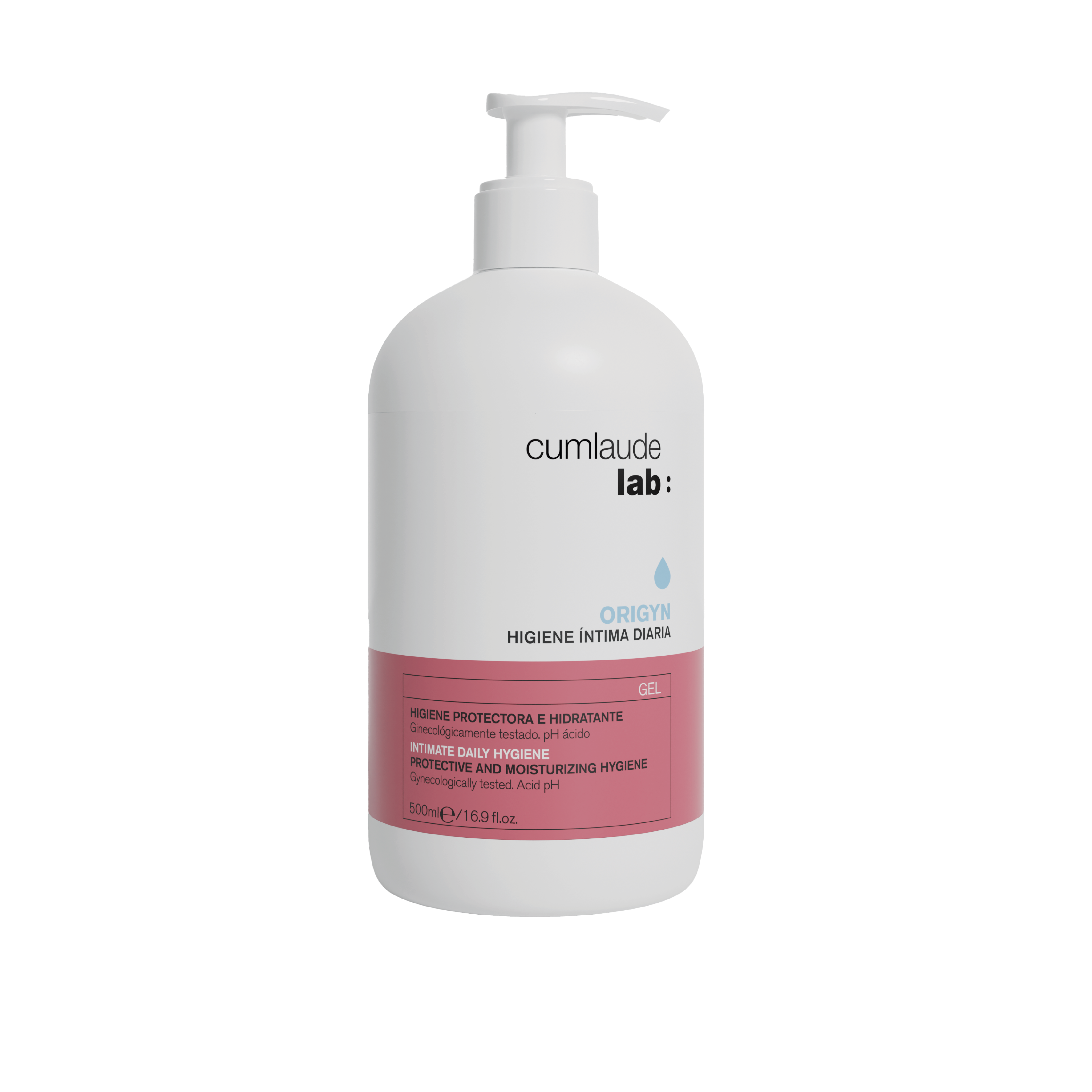
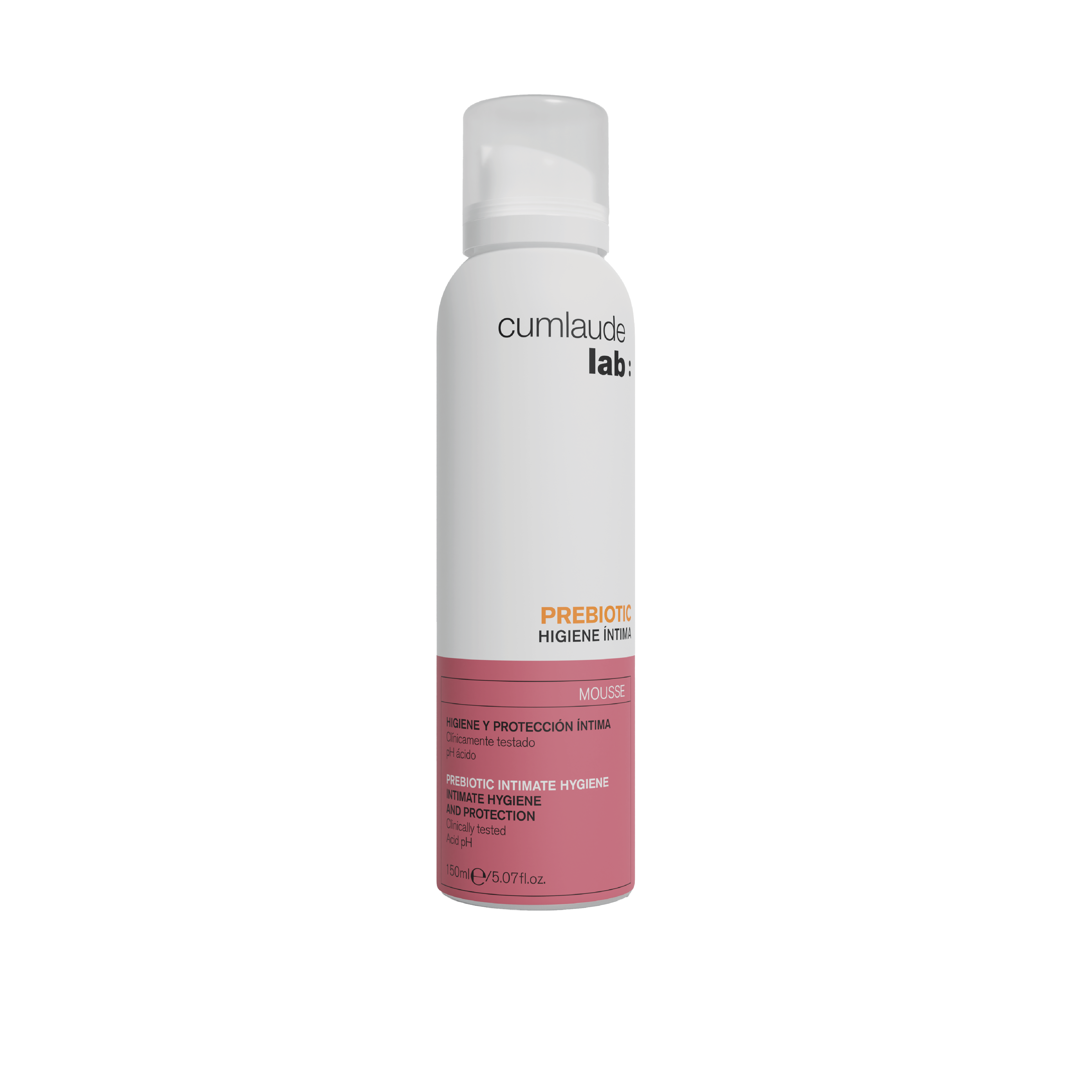
- To maintain more frequent hygiene (twice a day). We recommend using an intimate hygiene product containing prebiotics to prevent infections, as this time of the month can increase the likelihood of intimate discomfort.
- Change menstrual hygiene products every 4–6 hours.
- Avoid products that are perfumed or contain irritating ingredients.
- Wear comfortable, breathable underwear.
When should you consult your gynaecologist?
Make an appointment if you notice:
- Changes in vaginal discharge (odour, colour, amount)
- Persistent itching, burning or discomfort
- Pain when urinating or during sexual intercourse
- A bad odour that does not go away with normal hygiene
Frequently asked questions
Is it normal to have vaginal discharge?
Yes. Vaginal discharge is part of the body’s natural cleansing system. It can vary depending on your menstrual cycle, but it should not have an unpleasant odour or cause discomfort.
Can I use intimate wash every day?
Yes, provided it is a product specifically designed for intimate hygiene, such as a syndet, which is fragrance-free and has a physiological pH. It should not be used inside the vagina.
What is the appropriate pH for intimate hygiene at different stages of life?
- Childhood and adolescence: neutral or slightly alkaline pH (≈6.5–7.5). Hygiene with very mild, pH-neutral products is recommended.
- Reproductive years: acidic pH (≈4.0–4.5). Hygiene with products at physiological pH (4.5–5.5) is recommended.
- Pregnancy: more acidic pH (≈3.5–4.0). Hygiene using mild, fragrance-free products with a physiological pH is recommended.
- Menopause: higher pH (≈6.0–7.0). Hygiene using products suited to this stage is recommended; these should be closer to neutral pH and contain moisturising ingredients.
What type of underwear is best?
Cotton, which allows the skin to breathe. Avoid synthetic fabrics and very tight-fitting underwear.
Is it necessary to remove all body hair?
No. Pubic hair protects the area from friction and microorganisms. Complete hair removal may increase the risk of irritation.
Are vaginal douches recommended?
No. Unless specifically advised by a doctor, they can disrupt the vaginal microbiota and increase the risk of infections.
What happens if I use perfumed products?
They can cause irritation, dryness or an imbalance in the vaginal flora. It is best to avoid them.
Recommended products
.webp)
.webp)

