< Back
- Article
- Menopause

Dietary recommendations during the menopause
by Cumlaude Lab
Many of us women experience physiological, physical and/or psychological changes during the climacteric and, in particular, when the menopause sets in. Weight gain and changes in body composition are among these.
Why do we tend to accumulate fat around the abdomen and put on weight during the climacteric and the menopause?
The main cause is the decline in levels of female hormones, which leads to changes in the distribution of body fat. For this reason, women going through the menopause begin to accumulate more fat in the abdominal area. Furthermore, the metabolism tends to slow down, leading to greater fat accumulation. All these changes increase cardiovascular risk.
It is important to bear in mind certain dietary considerations at every stage of life, but especially during the menopause, as a balanced and varied diet, combined with an active lifestyle, can be of great help.
Nutritional advice during the menopause for healthy weight management and good cardiovascular health.
- Increase your intake of plant-based, fibre-rich foods: vegetables, fruit, nuts and pulses.
- Prioritise wholegrain carbohydrates over refined ones (bread, potatoes, rice, pasta, etc.).
- Prioritise foods rich in healthy omega-3 fats, such as oily fish: salmon, tuna, sardines… and walnuts, linseed or chia seeds, amongst others.
- Prioritise virgin olive oil over saturated and trans fats, such as butter and margarine.
- Reduce your intake of salt, sugars, processed red meat, cured meats and ultra-processed, refined or high-in-poor-quality-fat foods: pastries, sugary products, juices, ice cream, biscuits, crisps, cereal bars, non-dark chocolate, ready meals, tinned sauces…
- Drink water throughout the day to stay hydrated. We recommend always carrying a bottle of water with you so you can sip water regularly.
- Take part in physical exercise and stay active, combining strength training, cardio and stretching on a weekly basis.
The ‘plate method’, a useful tool for healthy eating during the menopause
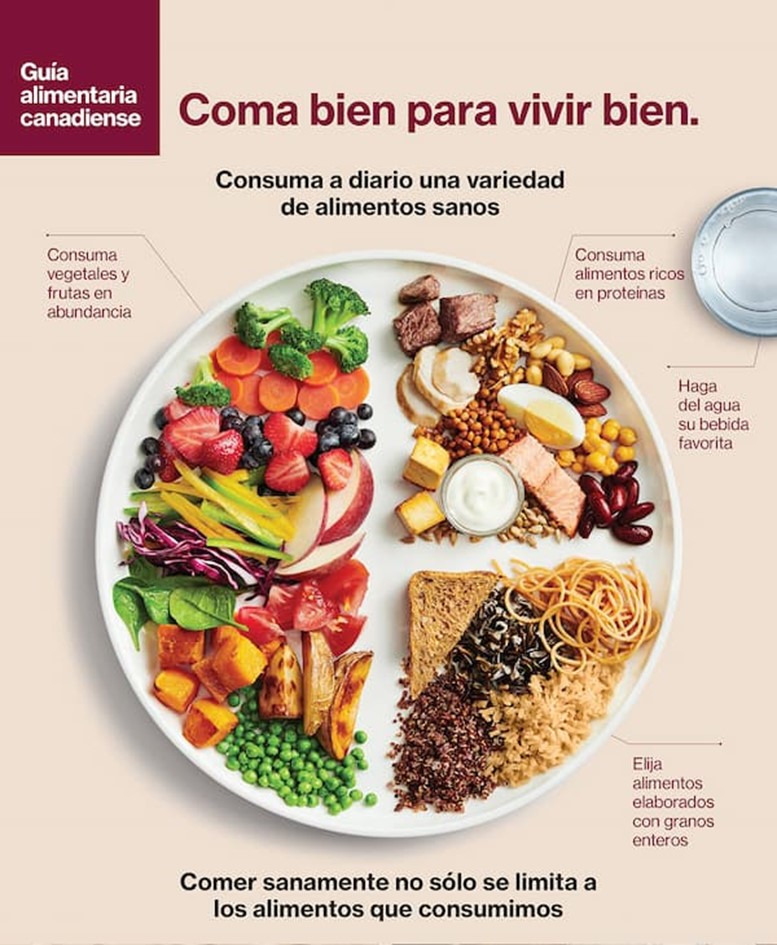
The ‘plate method’ helps you work out what proportion each food group should make up in a main meal, as if it were a ‘single-course meal’. If you prepare a starter and a main course, the total proportion should be the same.
A large part of the plate should consist of vegetables (50 per cent), with one quarter comprising protein-rich foods (25 per cent) and the other quarter carbohydrates (25 per cent).
Given the stage of life we are in – the menopause – it is important that, within these proportions, we prioritise foods that are sources of healthy fats, vitamins, minerals and protein. It is preferable for the carbohydrates to come from wholegrain sources (bread, potatoes, pasta, rice, etc.).
And what about fluid retention and bloating during the menopause?
Hormonal changes during the menopause are one of the reasons why we may feel more bloated and swollen. These symptoms can become more pronounced or occur more easily at certain times of year, such as at Christmas or in the summer. That is why we recommend following these nutritional tips and maintaining regular physical activity during this time and afterwards.
In addition, our Drenaqua dietary supplement can be a great help after the festive season when we experience some fluid retention.
Sources:
‘Petits canvis per menjar millor’. Canal Salut (gencat.cat)
All about the plate method | Nestlé® Menu Planner (nestlemenuplanner.es)
MENOPAUSE AND NUTRITION | Endocrinology and Nutrition, Quirón Dexeus Hospital, Barcelona
Recommended products
.webp)
If you found this helpful, you might be interested in reading:
Article

The power of food supplements
If you want to find out which dietary supplements can help you through the menopause, read on!