Breast cancer is the most common form of cancer among women in Spain, followed by other gynaecological cancers, such as ovarian and endometrial cancer. Depending on the individual case, there are effective treatments available to combat these cancers, although the process has implications for gynaecological health and, undoubtedly, consequences for sexuality, mental health and, in general, quality of life.
An issue that matters to us all: the statistics on cancer
Breast cancer affects more women worldwide than any other form of cancer. In Spain alone, there are an estimated 132 cases per 100,000 inhabitants. It usually occurs between the ages of 35 and 80, although the highest incidence is among women aged between 45 and 65. Once again, we’d like to remind you: having regular medical check-ups and being alert to any abnormalities is key – breast self-examinations should be part of your daily routine!
Diagnosis and treatment of breast cancer
If a diagnosis is made, a team of specialists will work to identify the treatments best suited to the individual case. You’ve no doubt heard of radiotherapy or chemotherapy, as well as maintenance therapies such as hormone therapy. All of these can have side effects, as the cells that make up the mucous membranes – such as those in the vulvovaginal area – are particularly affected, given their cytotoxic effect. Put simply, in order to stop the malignant cells that make up the tumours, those with similar characteristics are also affected.
Sexuality… and cancer?
You’ve probably experienced a cancer diagnosis at close quarters – or thought about it at some point. And yes, it can be paralysing. Talking about it helps us to better understand the physical and emotional challenges involved in a diagnosis and, particularly in the case of breast cancer – or other gynaecological cancers – understanding how gynaecological health is affected gives us the tools to cope with it or to support those who are living with it. Let us tell you more!
Gynaecological health encompasses several dimensions, and sexuality is an important part of it. Although it may be the first thing that springs to mind when it’s mentioned, always remember that sexuality isn’t just about sex: it encompasses a much broader aspect that relates to the way we express ourselves, interact and connect with ourselves and others. For people with cancer, enjoying a fulfilling sex life can become difficult and frustrating, largely because the vaginal area is affected; however, many other factors specific to the individual also play a part, such as age, the chronic nature of symptoms and mood. It’s not easy – we know that!
It is important to remember here that there are many other ways to express sexuality, which do not necessarily involve sexual intercourse. Whatever meaning you attach to it, talking about it, finding out more and seeking specialist professionals will help make the cancer treatment process less complex and invasive.
On a physical level, the effects are well established: during cancer treatment, there is a decrease in oestrogen levels, which leads to vulvovaginal atrophy. The vagina is lined with epithelium that relies on oestrogen stimulation, and as a result of the treatments mentioned above, it can become narrower and tighter. Remember that even without cancer treatment, 50 per cent of women also experience vaginal dryness. You’re not alone!
Some symptoms of these changes in the vulvovaginal area include:
To support cancer treatments and alleviate their effects on the vaginal area, as we mentioned earlier, the following are recommended to relieve dryness and improve intimacy.
Intimate hygiene for women with cancer
A lot of discharge accumulates in the vulvovaginal area, and it is important to remove it using suitable products that do not affect the pH or the microbiota of the intimate area. A lack of lubrication and vaginal dryness can become more pronounced in women undergoing cancer treatment, leading to discomfort, infections, dyspareunia and a reduced libido.
Here are some recommendations for your #IntimCare routine:
Living with a cancer diagnosis is an enormous challenge, both for the person with the disease and for those supporting them. It is important to strengthen bonds of trust and security – both professional and personal – where discussions about intimacy and sexuality are not sidelined. Physical and emotional support that prioritises self-care is key to improving quality of life. We’re in this together!
Sources
Vaginal dryness in cancer patients (2021). Cumlaude.
Types of treatment. American Cancer Society. https://www.cancer.org/es/cancer/como-sobrellevar-el-cancer/tipos-de-tratamiento.html
Breast cancer in Spain (2023). GEICAM – Breast Cancer Research. https://www.geicam.org/sala-de-prensa/el-cancer-de-mama-en-espana
Cancer statistics in Spain (2023). Spanish Society of Medical Oncology. https://seom.org/images/Las_cifras_del_Cancer_en_Espana_2023.pdf
Sexuality and metastatic breast cancer. Breast Cancer. https://www.breastcancer.org/es/tipos/metastasico/sexualidad
Cancer, sex and the female body. American Cancer Society. https://www.cancer.org/es/cancer/como-sobrellevar-el-cancer/efectos-secundarios/efectos-secundarios-sobre-la-fertilidad-y-sexuality/sexuality-for-women-with-cancer/cancer-sex-and-sexuality.html
Gynaecology and sexuality (2022). Cuban Journal of Comprehensive General Medicine. http://scielo.sld.cu/scielo.php?pid=S0864-21252002000500011&script=sci_arttext
Degeneralisation, sexuality and cancer (2010). https://salutsexual.sidastudi.org/resources/inmagic-img/DD25663.pdf
Sexual health issues in women with cancer. National Cancer Institute. https://www.cancer.gov/espanol/cancer/tratamiento/efectos-secundarios/sexualidad-mujeres#:~:text=Chemotherapy%20can%20also%20affect,or%20absent%20periods%20and%20vaginal%20dryness.
- Dryness during sexual intercourse
- Reduced lubrication
- Pain, bleeding, itching, burning
- Reduced arousal
- Increased risk of infection
- A good option is As part of protective and preventative care, vulvar moisturisers protect, moisturise and soothe the vulvar area, such as
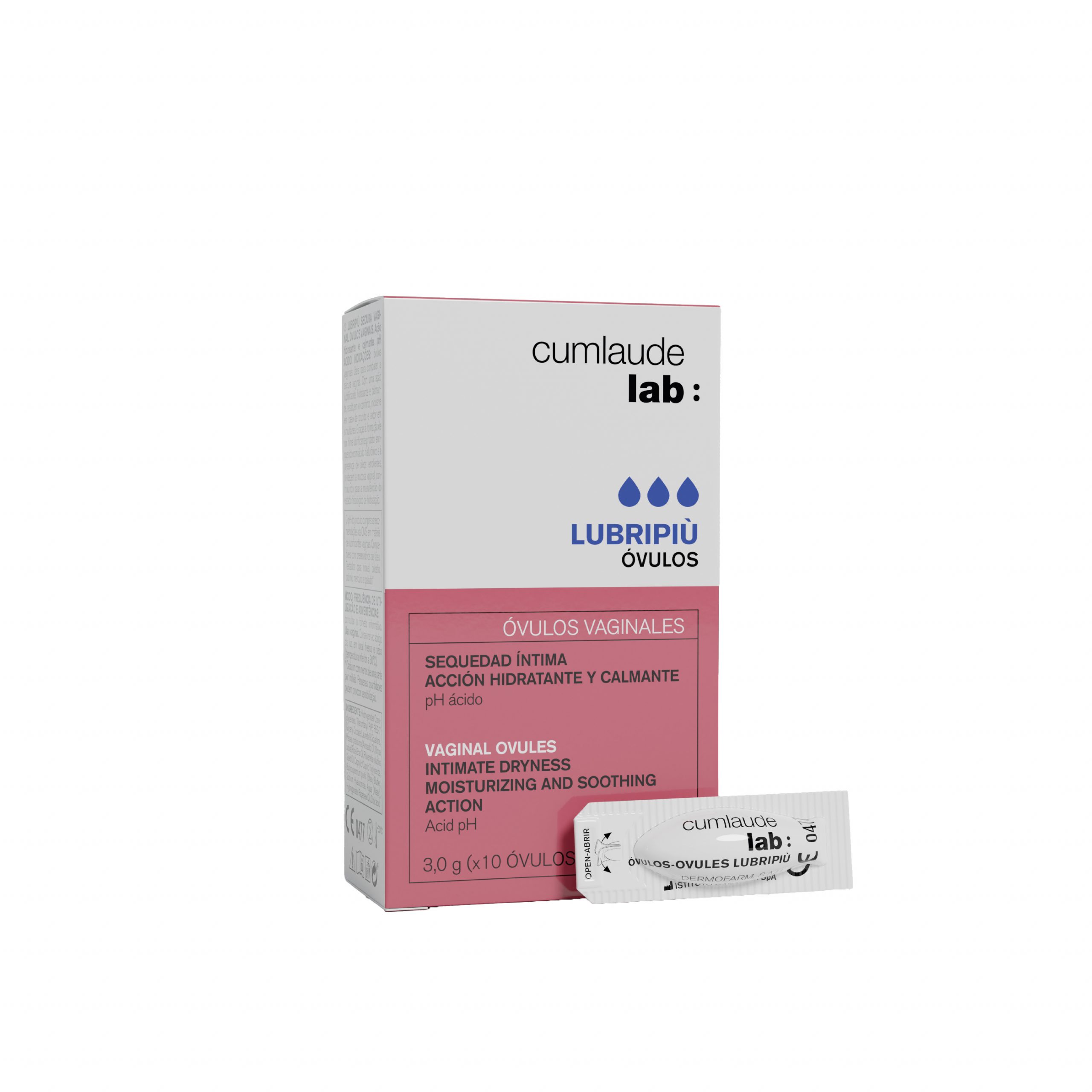
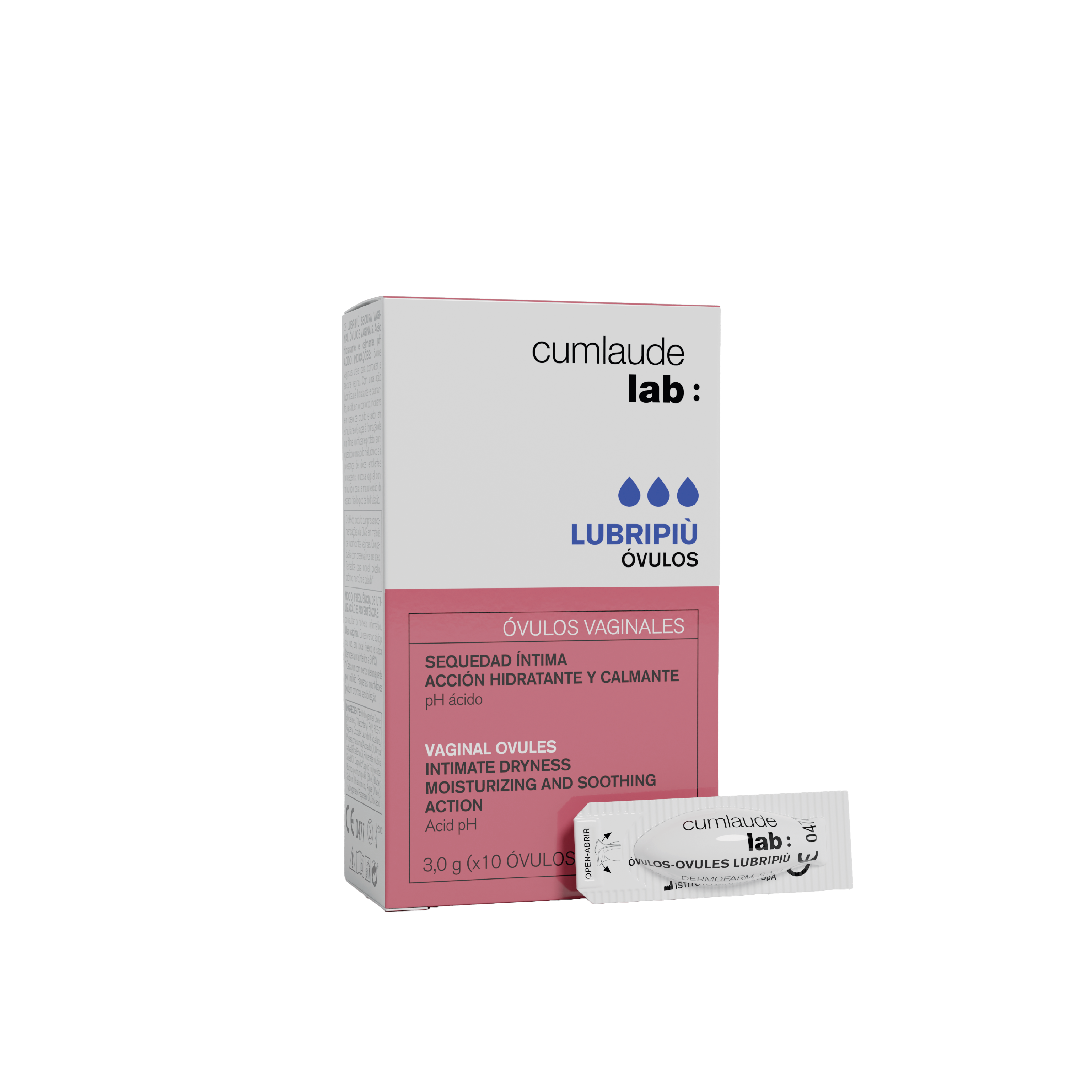
- To moisturise the internal area, vaginal moisturisers are available as applicators, single-dose sachets or pessaries. They penetrate and condition the mucous membrane for a longer period, alleviating atrophy. Lubripiù Ovules or Deligyn Internal Moisturiser soothe itching and improve elasticity.
- The use of lubricants also helps to reduce friction and pain during sexual intercourse and is more specific in its application. You can use Mucus Gel Lubricant, which mimics a woman’s cervical mucus and facilitates sexual intercourse, reducing vaginal pain on penetration.
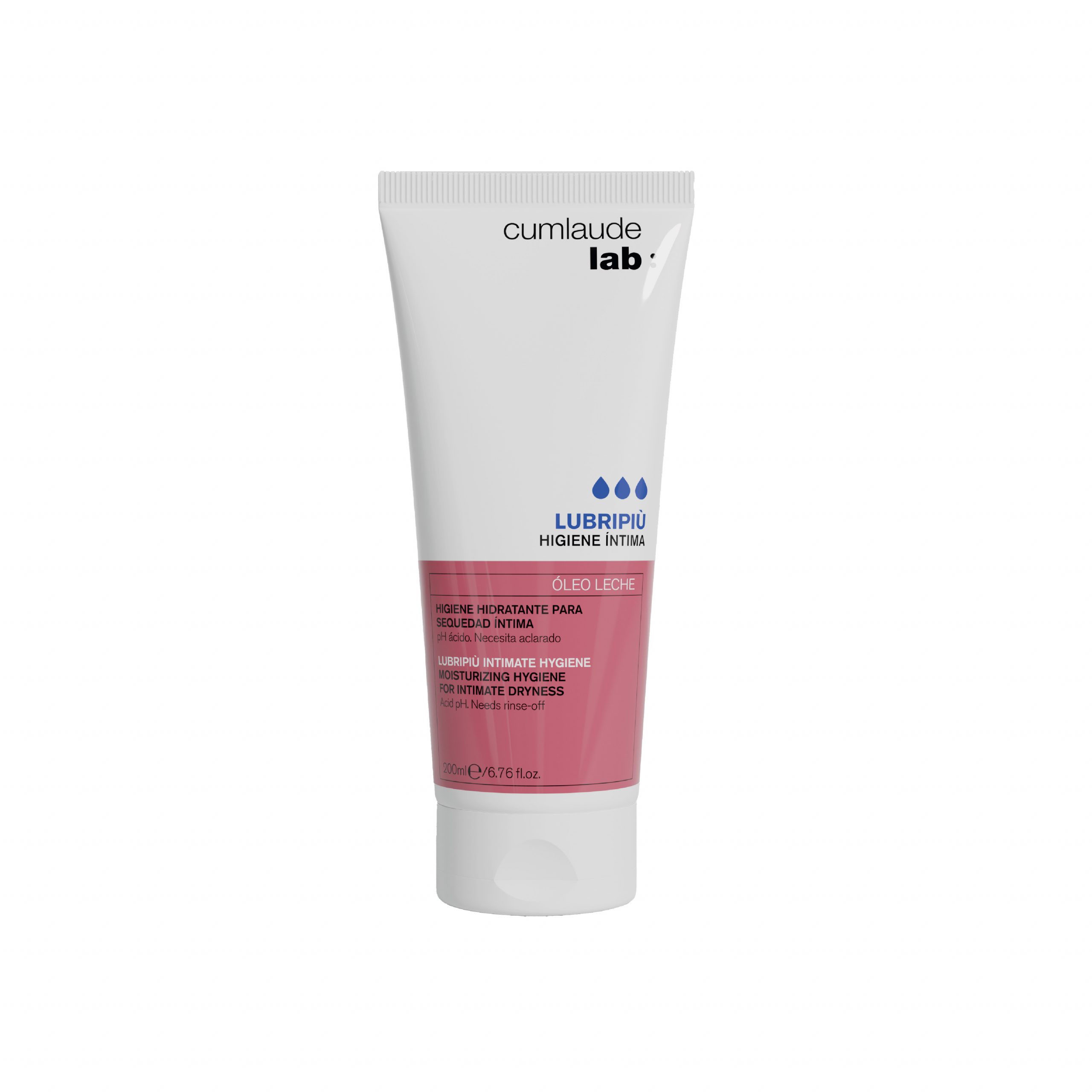
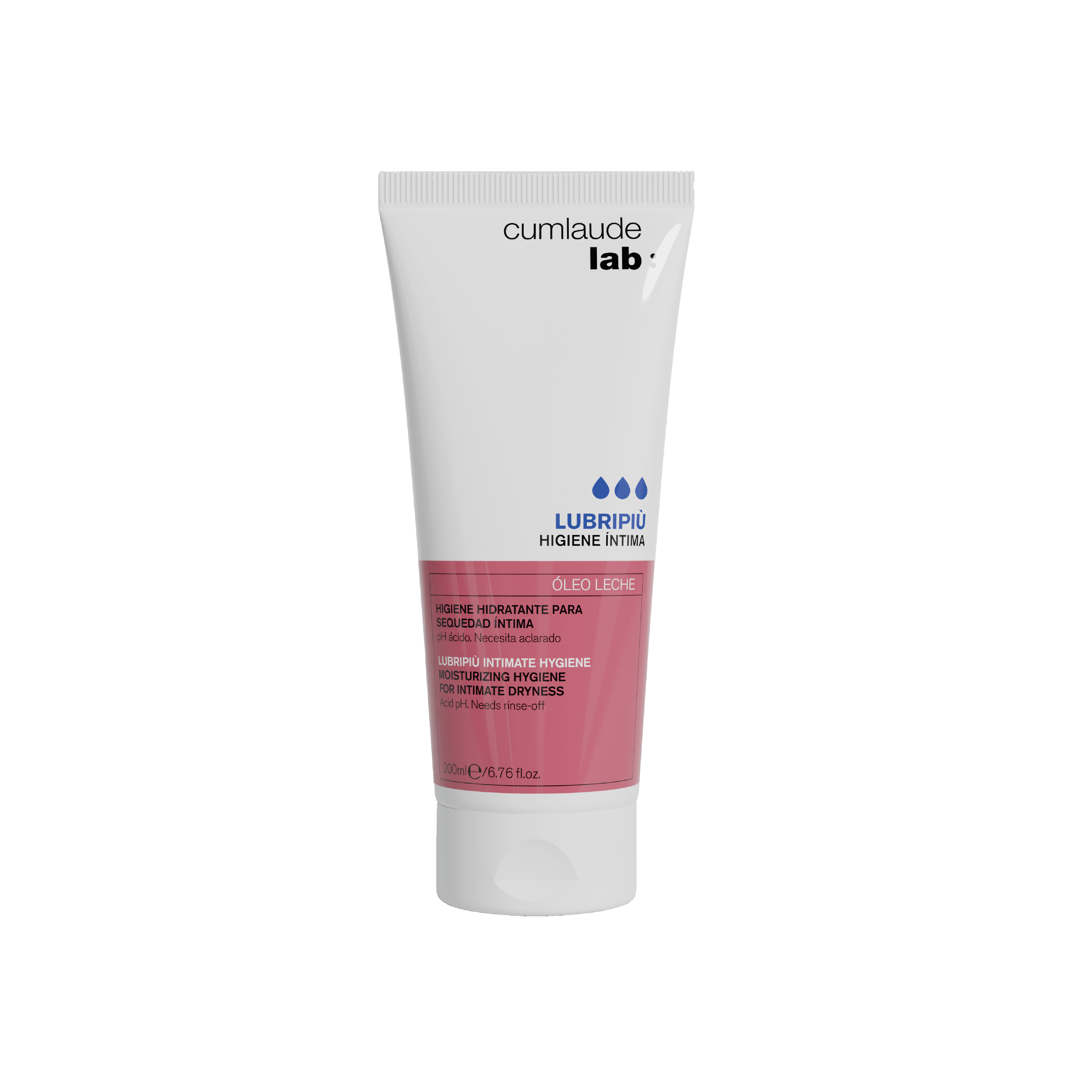
Lubripiù Intimate Hygiene
Intimate hygiene recommended for cases of dryness of the external genitalia.
Lubripiù Vaginal Suppositories
Vaginal suppositories with a lubricating, moisturising and soothing effect.

.webp)
.webp)

