< Back
  • Article
  • Intimate care
How can vaginal dryness be relieved?

How can vaginal dryness be relieved?

by Cumlaude Lab

Vaginal dryness and irritation are more common problems than people realise, and they affect women of all ages, although they are particularly common during the menopause and other periods of hormonal change. These symptoms can have a negative impact on intimate life, self-esteem and general health. The good news is that there are effective and simple solutions to relieve the symptoms and restore your intimate wellbeing.

In this article, we look at the causes of vaginal dryness, the factors that aggravate vaginal irritation, and offer practical, natural tips to help you feel comfortable and confident.

What causes vaginal dryness?

Vaginal dryness occurs when the tissues of the vagina do not produce enough natural lubrication. This can be due to several factors, including:

  • Hormonal changes: stages such as the menopause or perimenopause lead to a drop in oestrogen levels, one of the most common causes of vaginal dryness. 
  • Postpartum and breastfeeding: Hormonal changes following pregnancy also affect lubrication in the intimate area.
  • Use of hormonal contraceptives: Some women experience changes in the vaginal lining when they start taking certain pills or using hormonal contraceptive devices.
  • Use of medication: Antihistamines, antidepressants, cancer treatments and some acne medications can reduce vaginal lubrication as a side effect.
  • Stress and anxiety: Chronic stress disrupts hormonal balance and reduces blood flow to the pelvic area, contributing to dryness and discomfort.

What are the most common symptoms of vaginal dryness?

Vaginal dryness can manifest in various ways. These are some of the most common symptoms women may experience:

  • A sensation of swelling or pressure in the intimate area: many women describe this as an internal discomfort, similar to a feeling of heaviness in the vagina, caused by changes in the tissues.
  • Itching or stinging: this feels like a tingling or itching sensation of varying intensity, also linked to changes in the vaginal lining.
  • Irritation: one of the most uncomfortable symptoms. During the menopause, this is usually linked to the thinning of the vaginal walls caused by a drop in oestrogen levels, which leaves the nerve endings more exposed.
  • Increased sensitivity in the intimate area: these discomforts tend to intensify during penetrative sexual intercourse. Discomfort may also occur when passing urine.

Remedies and solutions to relieve vaginal dryness and irritation

The good news is that there are many products and habits that can help you reverse vaginal dryness, such as the best intimate hygiene products to relieve vaginal dryness

1. Intimate moisturisers

Vaginal moisturisers restore the moisture and elasticity of vaginal tissue over the long term. They are ideal for women who suffer from persistent dryness. They are applied every few days, as needed, and can be either internal (vaginal) or external (vulvar) moisturisers. Internal moisturisers are applied inside the vagina and external ones on the vulvar skin.

OPTIONS FOR INTERNAL OR VAGINAL MOISTURISERS:

  • Vaginal moisturising cream gel:  Gets straight to the point. It is applied inside the vagina to restore moisture and prevent typical day-to-day discomfort. Perfect for regular use. It usually comes with a single-dose applicator with a cannula.
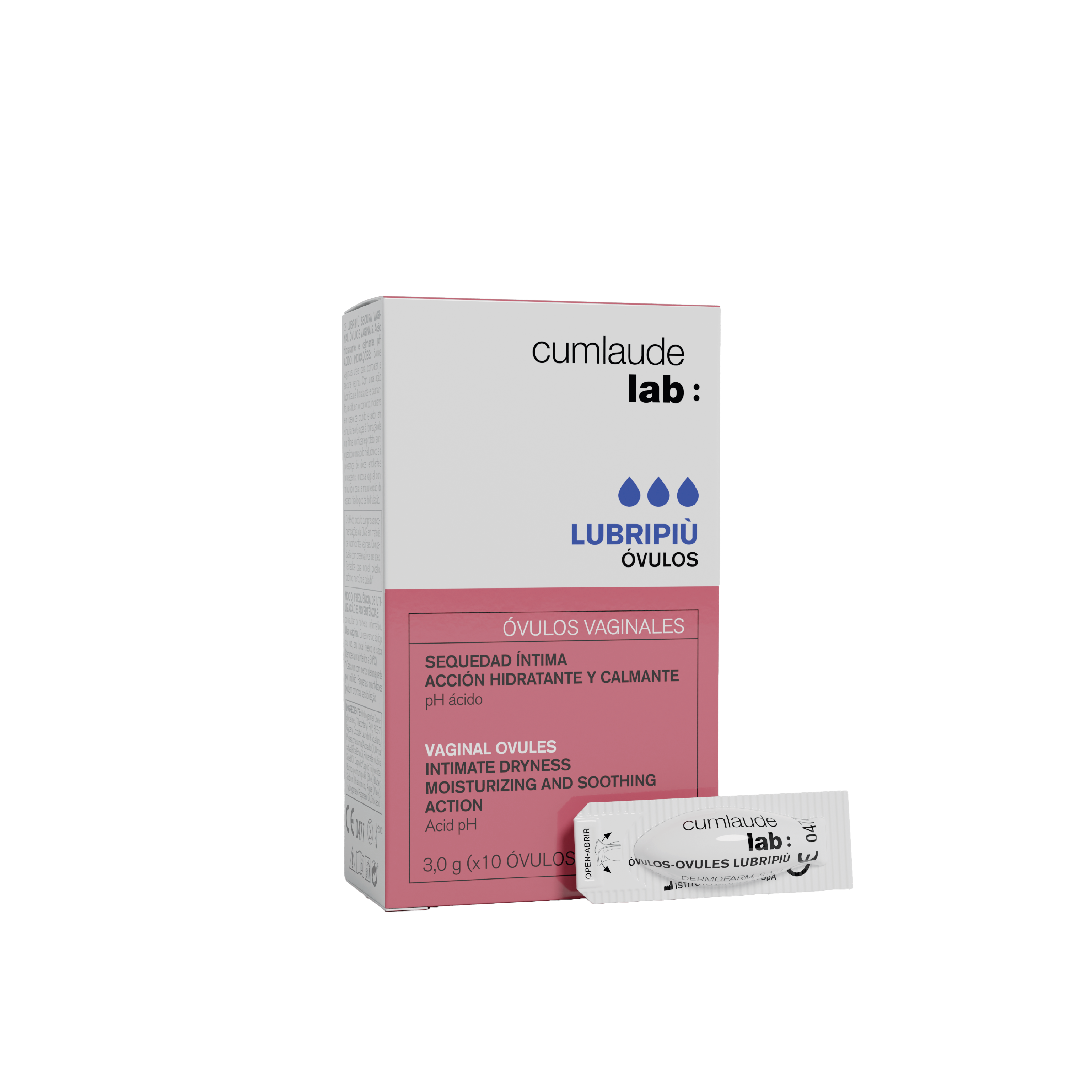
  • Moisturising ovules: For an extra dose of deep moisturisation. Ideal for those seeking longer-lasting relief. They restore comfort in cases of itching, redness and irritation, especially if there are lesions on the labia caused by dryness or friction that require a specific intimate moisturising routine.

EXTERNAL OR VULVAR MOISTURISERS:

  • Vulvar moisturising cream or oil: Designed for the vulvar area, it soothes, moisturises and protects the skin, helping to strengthen its natural barrier.
  • Vulvar moisturising mist: ideal for days when the vulvar area is crying out for help, when dryness, itching and inflammation are persistent and immediate relief is needed.

2. Vaginal lubricants

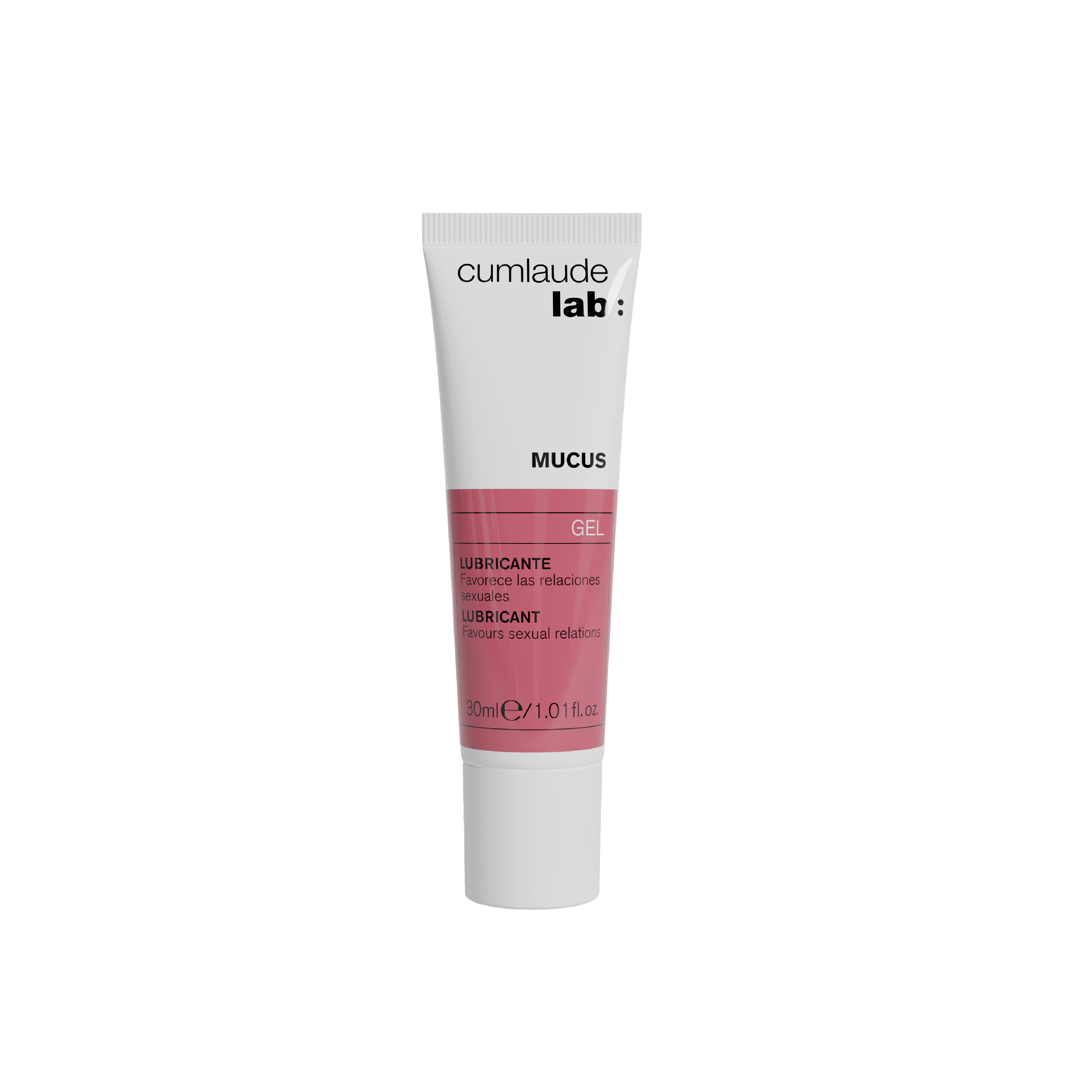
Vaginal lubricants are applied just before sexual intercourse to reduce friction and pain. They do not treat chronic dryness, but they instantly improve the intimate experience.

There are two types: water-based (lightweight and safe to use with condoms) or silicone-based (long-lasting and with a silkier texture). Please note! Silicone-based lubricants are not compatible with condoms and, furthermore, are not usually recommended for women going through the menopause.

Remember to choose lubricants with an osmolarity of less than 380 mOsm/kg to minimise epithelial damage. And avoid those containing fragrances, colourings or irritating ingredients that could alter your vaginal pH.

3. Lifestyle changes

A few simple changes to your daily routine can make a big difference when it comes to combating vaginal dryness; for example: 

  • Staying properly hydrated: Drinking enough water helps maintain natural lubrication.
  • Dietary changes: Foods rich in omega-3, phytoestrogens (such as soya) and vitamin E can contribute to intimate wellbeing.
  • Moderate physical activity, particularly exercises that improve pelvic circulation, such as yoga or Pilates.

Remember: if symptoms are persistent or accompanied by pain, severe itching or unusual discharge, it is important to see a healthcare professional. It could be an infection or vaginal atrophy requiring specific treatment.

Vaginal dryness and vaginal irritation shouldn’t be taboo subjects. Recognising their causes, understanding the options available and adopting remedies for vaginal dryness, such as vaginal lubricants and moisturisers, can help you regain your comfort, confidence and quality of life.

Every woman is different: listen to the signs, find out more and choose the solutions that suit you best.
Recommended products

Lubripiù Óvulos

Mucus

If you found this helpful, you might be interested in reading:

Article
How do you use lubricant, and when should you use it?

How do you use lubricant, and when should you use it?

We’ll answer your questions about when and how to use lubricant to enhance pleasure during sex.

Article
Lesions on the labia: causes and care routines

Lesions on the labia: causes and care routines

​Find out what causes lesions on the labia, how to prevent them and what care is essential for women’s intimate health.​