< Back
- Article
- Micronutrition

The anti-inflammatory diet and its benefits
by Cumlaude Lab
Inflammation is a natural function of our body, essential for tissue repair and the body’s defences. However, when it becomes chronic, it can cause troublesome symptoms and even lead to serious illnesses that jeopardise our health.
In this article, we’ll explain what chronic inflammation is, how to combat it through diet, and which foods are best for an anti-inflammatory diet that you can include in your daily routine.
What is inflammation and why is it important?
Inflammation is the body’s natural response to an injury or infection. Its purpose is to protect and repair damaged tissues. Common symptoms of inflammation include redness, swelling, warmth and pain.
What is chronic inflammation and what conditions can it cause?
Chronic inflammation occurs when the inflammatory response persists over a prolonged period, even when there is no immediate threat. This can damage tissues and organs, and increase the risk of developing conditions such as:
- Heart disease
- Digestive problems (SIBO, irritable bowel syndrome, ulcerative colitis)
- Skin problems (acne, eczema)
- Type 2 diabetes
- Rheumatoid arthritis
- High blood pressure
- Deteriorating mental health (anxiety, depression)
- Certain types of cancer
- Liver disease
- Kidney disease
How can you manage chronic inflammation through diet?
One of the most effective ways to manage chronic inflammation is through diet. Following an anti-inflammatory diet can help reduce inflammation and protect your health.
What is an anti-inflammatory diet?
The term ‘anti-inflammatory’ refers to measures that combat inflammation. Following an anti-inflammatory diet is based on consuming foods with anti-inflammatory properties and reducing your intake of foods that may promote inflammation. This diet is usually rich in fibre, vitamins, minerals and omega-3 fatty acids, such as the Mediterranean or vegetarian diets.
Anti-inflammatory foods to include in your diet
- Fruit: Pineapple, apple, papaya, cherries, orange, lemon (rich in fibre)
- Oily fish: Salmon, tuna, sardines (rich in omega-3 fatty acids).
- Nuts and seeds: Pistachios, walnuts, almonds, chia and flax seeds (rich in omega fatty acids and other anti-inflammatory nutrients).
- Pulses: Lentils, chickpeas, beans (rich in fibre)
- Green tea. Rich in antioxidants and anti-inflammatory compounds.
- Spices: Ginger, turmeric and cinnamon (effective at combating chronic inflammation).
- Wholemeal grains: Oats, quinoa, brown rice (rich in fibre).
- Probiotics: Yoghurt, kefir (help to balance gut flora and reduce inflammation).
- Berries: Raspberries, blackberries, blueberries, cherries and strawberries (rich in fibre and anti-inflammatory bioactive compounds).
- Leafy green vegetables: Spinach, kale, broccoli, celery (rich in fibre and antioxidants).
- Extra virgin olive oil: High in omega fatty acids, particularly oleic acid (an omega-9 fatty acid) and the organic compound oleocanthal (powerful anti-inflammatories and antioxidants).
- Avocado: Rich in carotenoids, omega-3 fatty acids, vitamins A, C and E, and soluble fibre.
Remember: The Mediterranean diet, based on extra virgin olive oil, oily fish and fibre-rich foods such as vegetables, is a perfect way to follow an anti-inflammatory diet.
Foods to avoid to reduce inflammation
Following an anti-inflammatory diet isn’t just about eating anti-inflammatory foods; it also involves reducing or limiting your intake of foods that cause inflammation, such as:
- Red meat
- Processed foods (sausages, ready meals, artificial additives)
- White bread, white rice and refined flours
- Foods with added sugars
- Trans and saturated fats
- Fried foods
- Processed snacks (sweets, crisps, etc.)
- White sugar (and foods containing added sugars)
- Alcohol
- Caffeine (in excess)
Who should follow an anti-inflammatory diet?
Eating habits that combat inflammation are suitable for almost anyone. However, it is important to consult your doctor to assess whether following an anti-inflammatory diet is right for you, especially if you have any pre-existing medical conditions.
Benefits of following an anti-inflammatory diet
Following an anti-inflammatory diet can benefit your health in both the short and long term.
Short-term benefits
- Better digestion
- More energy
- Better quality of sleep
- Healthier skin
Long-term benefits
- Reduced risk of heart disease
- Better weight management
- Healthier joints
- Greater overall wellbeing
Beyond the anti-inflammatory diet: Other tips for reducing inflammation
- Drink enough water. Staying well-hydrated every day is key to reducing inflammation. Although the recommended intake is 2 litres a day, adjust this to suit your own needs.
- Take part in moderate exercise on a regular basis
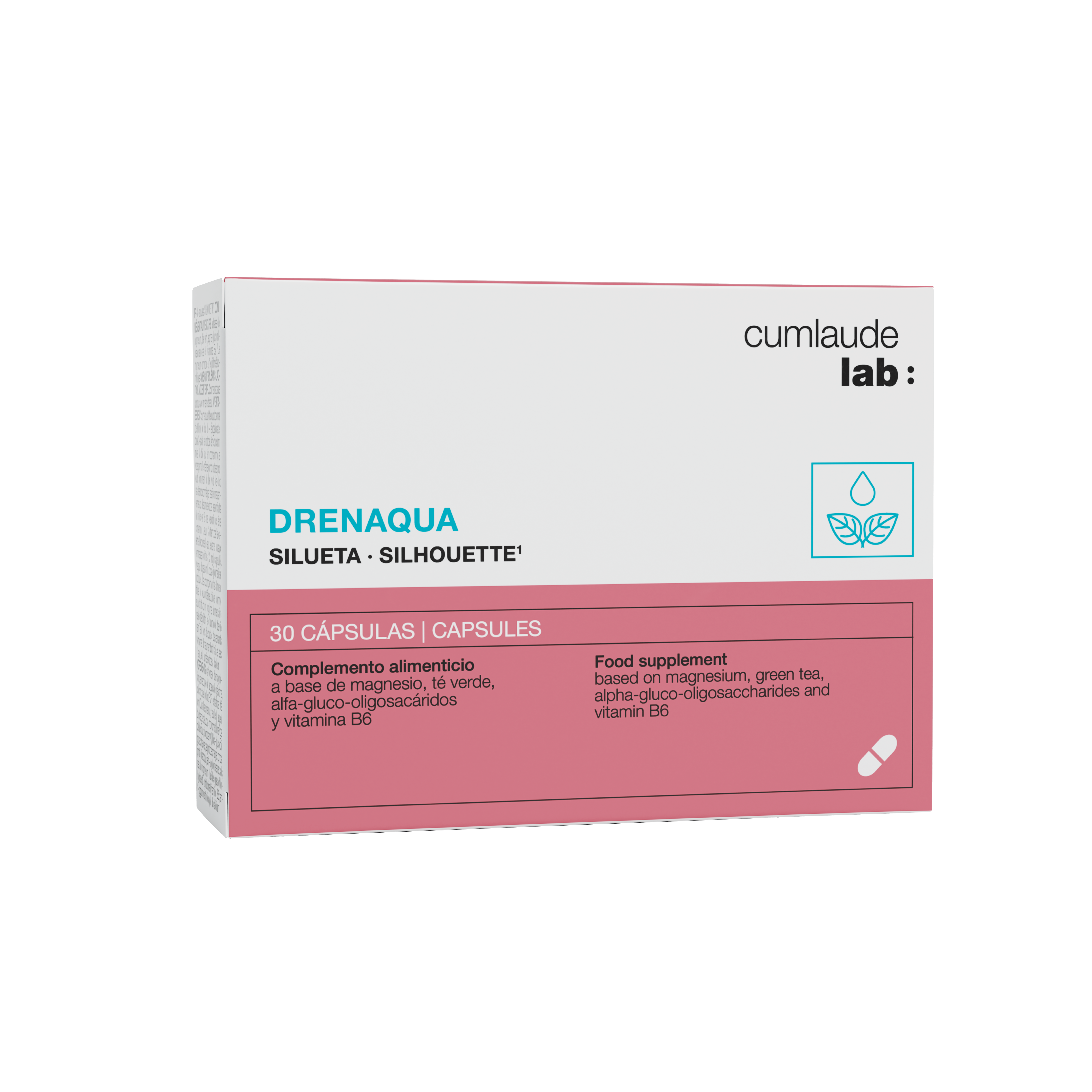
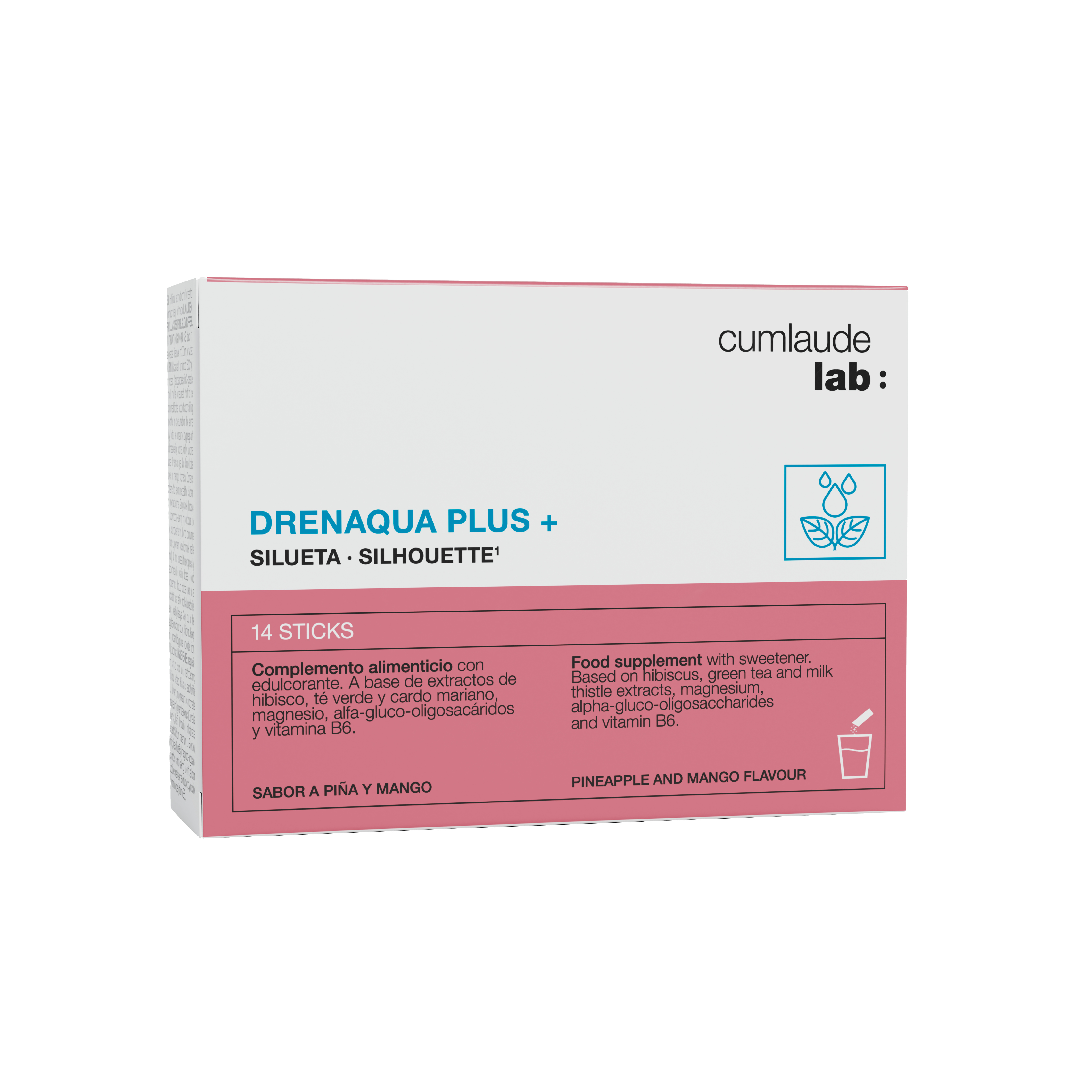
- Supplements: Always under medical supervision. Some supplements can complement an anti-inflammatory diet and help with specific problems such as fluid retention and bloating. In this regard, Cumlaude Lab offers solutions such as Drenaqua and Drenaqua Plus, formulated to promote physiological drainage and combat fluid retention, helping to reduce the bloating it causes and improve general wellbeing.
Following an anti-inflammatory diet is one of the best decisions you can make for your health, and it doesn’t have to be complicated. Eating anti-inflammatory foods every day (and limiting those that cause inflammation) can help us achieve significant health benefits and make us feel better.
Remember that every little change counts. Start incorporating some of these foods into your diet and see how your body thanks you for it.
Recommended products
.webp)
.webp)
