< Back
- Article
- Intimate care
Guide to intimate care during pregnancy
by Cumlaude Lab
During pregnancy, our bodies undergo numerous changes – hormonal, physical… so it’s only natural that our intimate care routines change too. Following an Intim Care routine during this time is very important to ensure our wellbeing and that of our baby. Take note of the habits you can incorporate into your daily routine!
Intimate discomfort during pregnancy
Haemorrhoids during pregnancy
It’s common to suffer from constipation during pregnancy and, as a result, we may develop haemorrhoids, which in turn can cause discomfort such as itching, pain and even minor bleeding.
What can we do to prevent these discomforts? The best prevention will always be to maintain healthy habits: eating a balanced diet, drinking plenty of water and staying active to avoid a sedentary lifestyle. Three very simple habits which, combined with a proper 3-step Intim Care routine – intimate hygiene, vulvar moisturising and lubrication – will help you prevent other conditions.
Dryness and vaginal infections during pregnancy
During pregnancy, it is very likely that dryness in the intimate area will increase. That is why it is essential to follow an intimate moisturising routine.
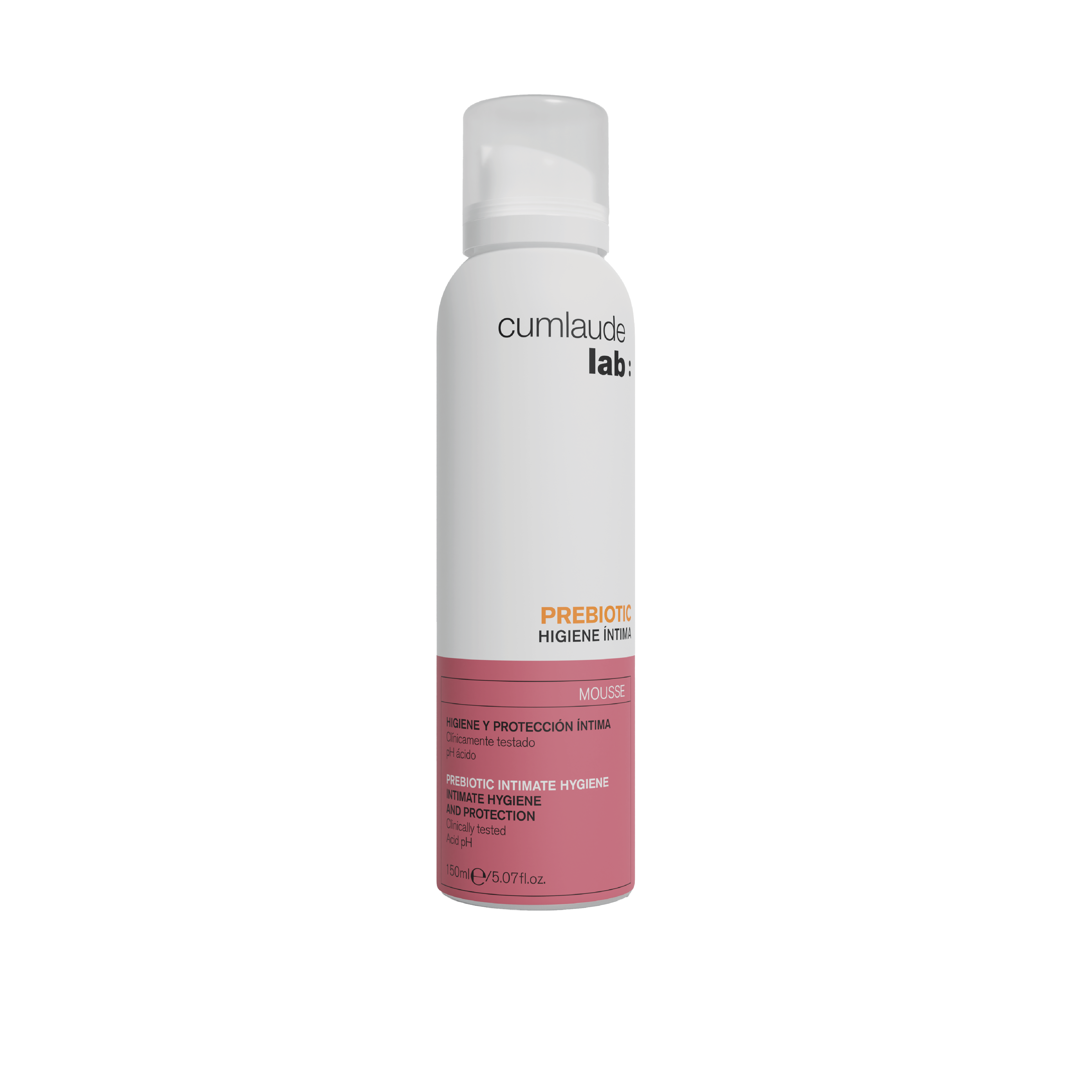
We should also take precautions, as the risk of vaginal infections increases during this time. To help prevent these infections, it is advisable to use products enriched with prebiotics, which help to rebalance the vaginal bacterial flora, such as our Prebiotic Mousse Intimate Hygiene.
Postnatal Intim Care Routine
During pregnancy, it is important to prepare your body for the postnatal period. A good habit is perineal massage, which is designed to help your body gain elasticity in the vulvoperineal area, thereby reducing the likelihood of episiotomies and pain after childbirth.
Before carrying out perineal massage, remember to speak to your gynaecologist so they can advise you. Every body is different and has its own specific needs. That said, once you know which method suits your body best, here are some recommendations for carrying out this massage:
- Start from week 32 of your pregnancy.
- Use your fingers, guiding the movement and taking care not to put pressure on the urethra.
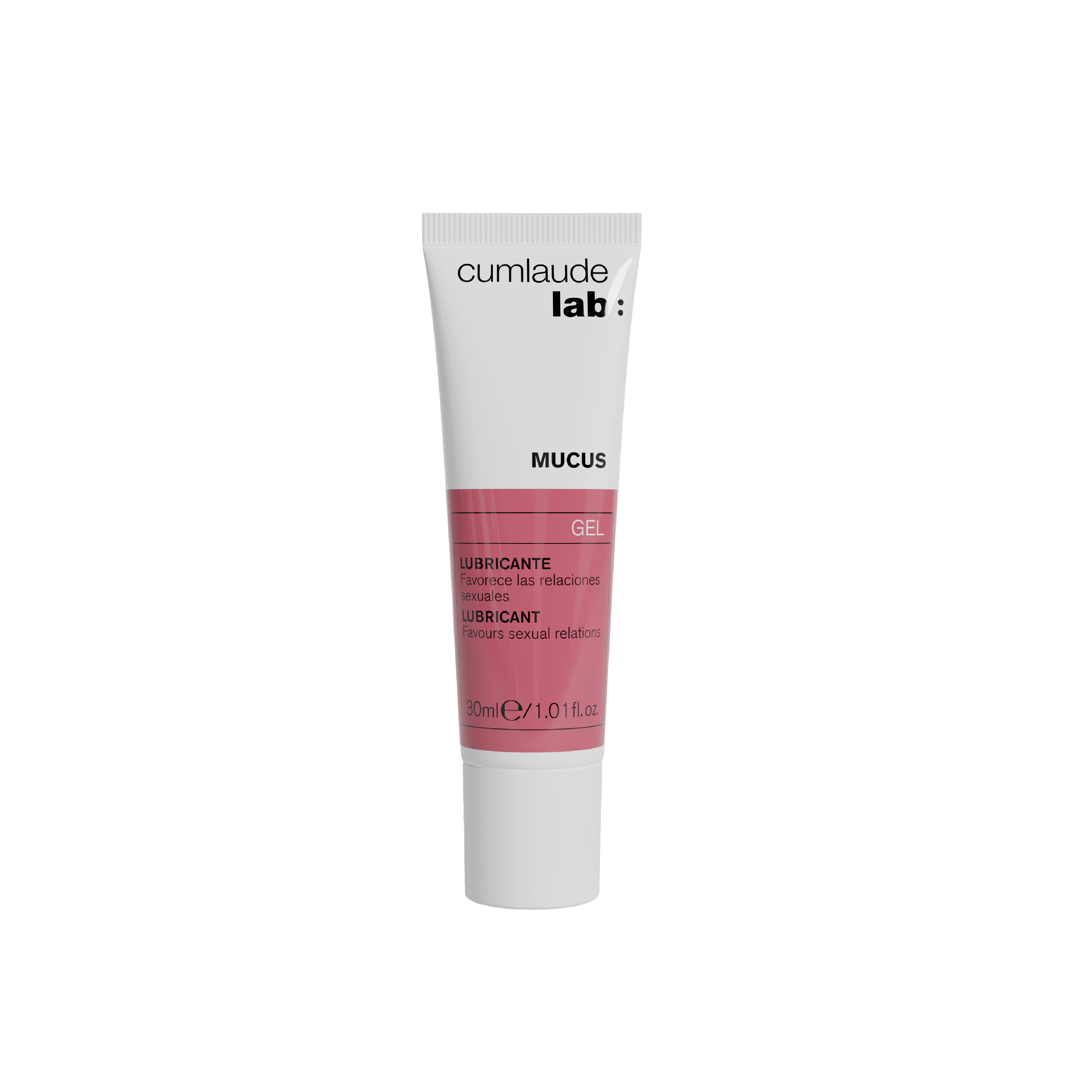
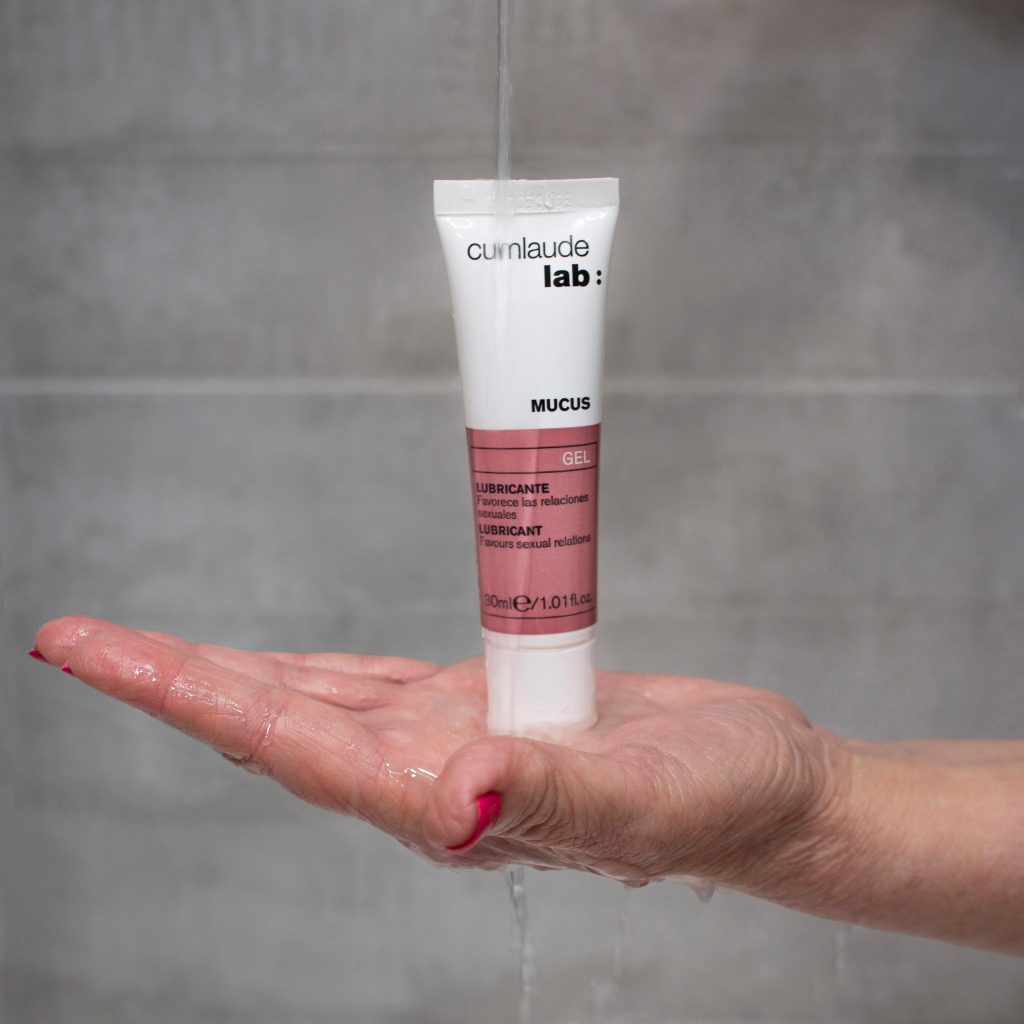
- Apply a water-based lubricant such as ‘Mucus’.
The time has come for our bodies to adapt after pregnancy and childbirth. Consequently, during the postnatal and breastfeeding periods, oestrogen levels will drop significantly. This can lead to three possible conditions:
- Reduced moisture in the intimate area, so it will be important to use a vaginal moisturiser and a vulvar moisturiser.
- Lack of firmness in the vulva, so we recommend using a gel-cream to tone the vulvar area, such as Viderage.
- In the case of infections, we advise using the Prebiotic Intimate Hygiene Mousse to prevent them, or products containing CLX to treat them.
Now that we know what conditions we may experience during and after pregnancy, it’s time to establish your intimate care routine and enjoy it.
Recommended products
.webp)
.webp)