< Back
- Article
- Sexual relations

Myths and concerns about women’s sexual health
by Cumlaude Lab
There are many myths and a lack of understanding surrounding women’s sexual health: not only with regard to contraception and sexually transmitted infections, but also in relation to some of the most common sexual problems experienced by women, such as sexual desire and satisfaction.
This lack of knowledge about our sexual health means that many women continue to harbour misconceptions that shape our sexual experiences, making it difficult for us to enjoy a fulfilling sex life and even affecting our physical wellbeing.
Below, we’ll clarify some of the most common misconceptions about women’s sexual health, to help you understand yourself better and enjoy your sexual experiences to the full.
I have little sexual desire: should I be worried?
Many women worry about not feeling sexual desire, especially when it comes to ensuring their partner’s sexual satisfaction, and look for explanations so they can ‘do something about it’.
The reality is that there is no ‘normal’ level of sexual desire; rather, it fluctuates: it is not something we will always feel, nor with the same intensity (influenced by factors such as mental health, hormonal changes, or even diet); and it will also vary from one woman to another. Each of us is unique, and what is normal for one woman may be very different from what is normal for another.
How can I rekindle my sexual desire?
Talking openly about your sexual needs and desires with your partner is key to strengthening your intimacy and helping you both enjoy a fulfilling sex life – and that also includes letting them know when you’re not in the mood. Remember: you should never force yourself to have sex if you don’t want to.
If you’re genuinely concerned about a lack of sexual desire, don’t hesitate to consult a professional who can advise you based on your specific needs to help you rekindle the spark and fully enjoy your sexual relationships.
If I’m not lubricated, does that mean I’m not aroused?
No. There is a lot of stigma surrounding vaginal dryness or a lack of lubrication during sex, but the truth is that it is much more common than people realise and does not necessarily mean you are not aroused.
Although it is common during the menopause, a lack of vaginal lubrication can affect women of all ages due to a wide range of factors, such as the phase of the menstrual cycle, the use of contraceptives, mental health or alcohol consumption (among many others).
Remember that using lubricants is never a sign of failure, but rather a great ally in maximising your enjoyment of sex.
Is it common to experience pain during sex?
No. Pain during sex is something many women experience, but it is not normal. It can be caused by various reasons: lack of lubrication, skin lesions in the intimate area, or other structural problems such as vaginismus.
If the problem persists, see a healthcare professional to identify the possible causes and take the necessary steps.
Is it natural to find it difficult to reach orgasm?
Difficulty reaching orgasm during sexual intercourse is very common amongst most women (according to studies, 10%–15% of women have never had an orgasm, and 50 per cent of women surveyed say they are dissatisfied with how often they reach one)¹. But although it is a common problem, we mustn’t make the mistake of treating it as normal.
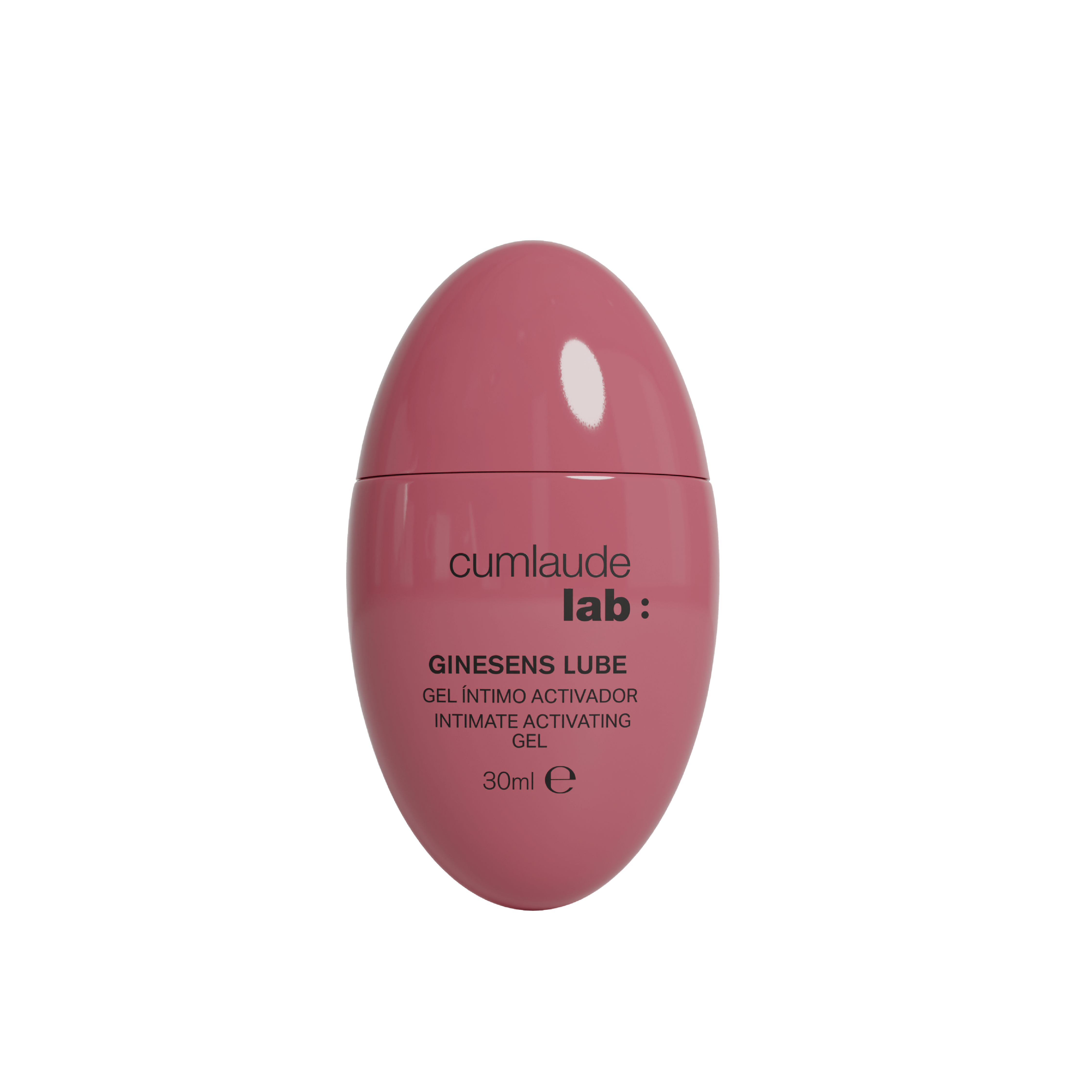
Once again, communication with your partner during sex is essential, and using sex toys and warming lubricants, such as Ginesens Lube by Cumlaude Lab, can help enhance pleasure and be a great bonus for both of you.
If you find you’re having a lot of difficulty reaching orgasm, don’t forget that seeking professional advice is always an option.
How many times is ‘normal’?
Despite what we’re often led to believe, when it comes to sex, there’s no set ‘number’.
There is no ‘acceptable’ minimum or maximum number of sexual partners we should have, nor is there a set frequency for having sex. As we’ve said, sexuality varies from person to person depending on a wide range of factors, so we shouldn’t obsess over quantifying our sexual experiences.
How can you cultivate a satisfying sex life?
The path to a satisfying sex life begins with self-knowledge. Explore your body, understand your desires and communicate openly with your partner to fully enjoy your sexual experiences. Follow healthy habits that contribute to your physical wellbeing, such as a balanced diet, exercise and good hygiene, especially in your intimate area (remember that Cumlaude Lab products can help you).
Are vaginal infections only caused by sexually transmitted infections?
The short answer: NO.
Vaginal infections are a much more common problem than is generally believed; and one of the most dangerous (and stigmatising) myths about our sexual health is the idea that they are always linked to sexually transmitted infections.
Vaginal infections can be caused by a wide variety of factors, such as poor hygiene, a change in the vagina’s pH balance, prolonged exposure of the intimate area to moisture, or a break in the skin in that area. To reduce and treat these vaginal infections, we recommend the CLX range from Cumlaude Lab, which will help to rebalance the vaginal microbiota. In any case, it is very important to follow a good intimate care routine based on products that do not alter your vaginal pH and are suited to your current situation, and above all, to take conscious steps to prevent them.
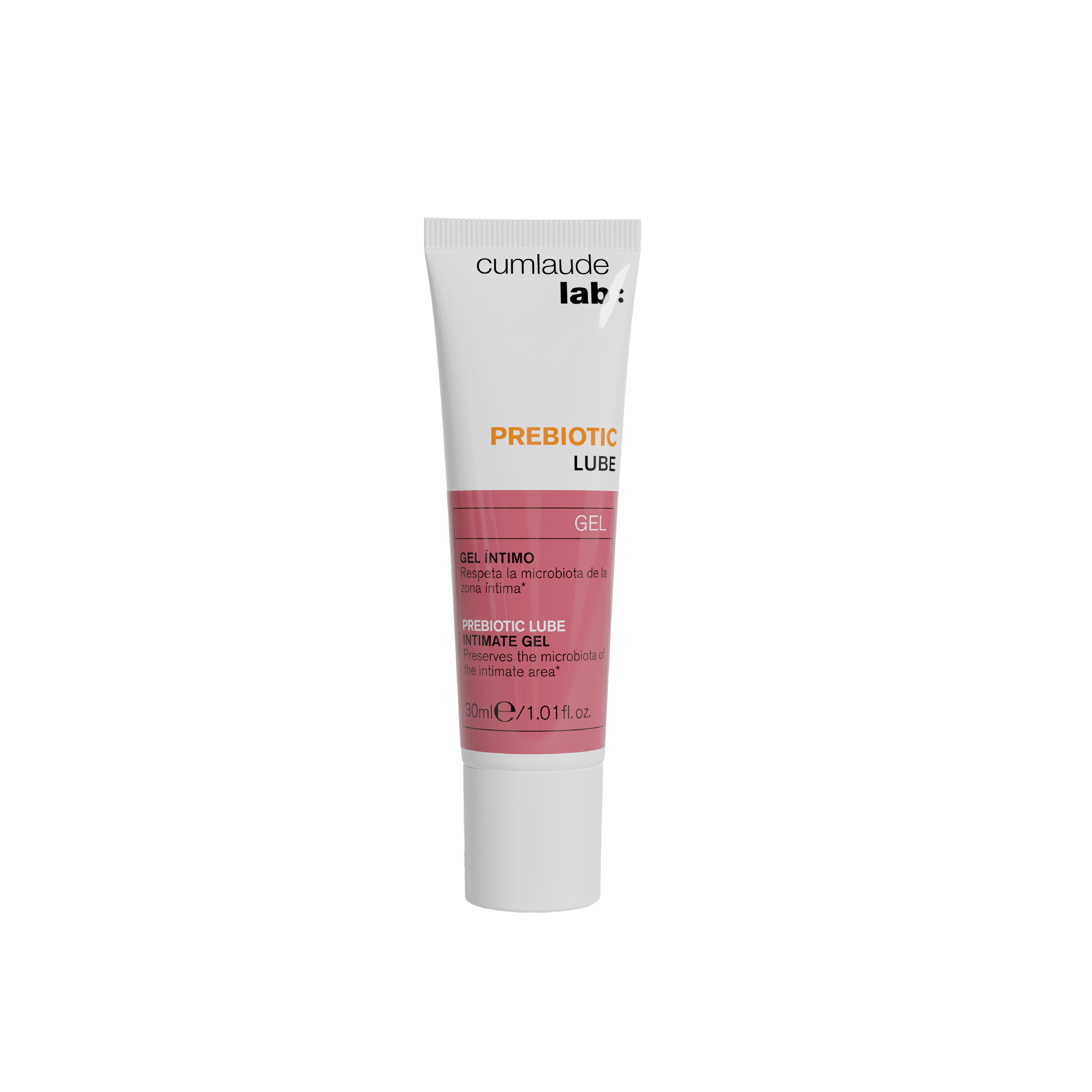
There is a lubricant called Prebiotic Lube, which is specifically designed to prevent these recurrent vaginal infections.
Should I get tested for sexually transmitted infections if I have no symptoms?
Yes. Many STIs are asymptomatic, so it’s important to get tested to detect them early.
Especially if you’re sexually active, have multiple partners, or engage in unprotected sex (remember that oral sex counts too), we recommend getting tested for STIs and having regular check-ups with your gynaecologist.
Find out more, explore, talk to others and don’t hesitate to seek professional help if you need it; and start enjoying a satisfying and fulfilling sex life.
Recommended products
.webp)
.webp)
LUBE Prebiótico
A lubricant that respects the microbiota and helps prevent intimate discomfort

