
Planet V
Stop Vaginal Infections: A Survival Guide
- Planet V
- 35 min.
Meet our guests from Planeta V!
Joining us today is Dr Mercedes Herrero, a gynaecologist and sexologist specialising in women’s health and sexual health.
And joining her is Dr Sofía Fournier, a long-standing gynaecologist at Planeta V since its very first edition.
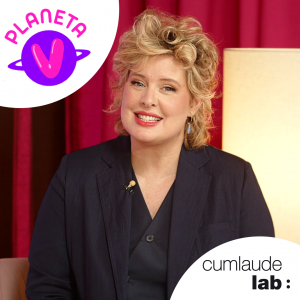
Tania Llasera
@taniallasera
Mercedes Herrero
@dra_herrero
Sofía Fournier
@dra.sofiafournier
How many times have you felt discomfort down there and thought, ‘Maybe I’m not cleaning myself properly’? Or worse still, have you ever felt guilty about having an infection and not knowing where it came from? Well, my friend, today we’re here to debunk some myths: NO, vaginal infections have nothing to do with poor hygiene.
What does play a big part, however, is the stage of life you’re at. During perimenopause, your body changes, and with it, your vaginal microbiota, pH levels and your body’s ability to fight off infections also change. This means that things that didn’t happen to you before might happen now. And no, it’s not your fault, nor is it down to your shower routine or the underwear you wear.
In this article, we summarise the key takeaways from the latest episode of the Planeta V podcast, with the help of two expert gynaecologists: Dr Mercedes Herrero and Dr Sofía Fournier.
Why do we get more infections during perimenopause?
One word: oestrogen. When oestrogen levels start to drop, so do the good bacteria that protect us, and others appear that we’re not so keen on. The vaginal lining becomes thinner, there’s more dryness and fewer natural defences. Add to this stress, the use of panty liners, synthetic underwear or certain hygiene habits… and the recipe for trouble is complete.
What does sex have to do with it?
Much more than we realise. If you get infections (such as cystitis) after having sex, you’re not alone. So-called post-coital cystitis is very common, mainly because the female urethra is shorter. Two simple but effective tips: go for a wee after sex. It helps prevent bacteria from entering and staying there. Use Prebiotic Lube, the intimate lubricant that prevents intimate discomfort and post-coital infections.
Probiotics, prebiotics and how they help
Probiotics: These are the good bacteria we should have in the vagina. They help us restore the flora and maintain a healthy environment.
Prebiotics: These are the food for these good bacteria, helping them to grow and thrive.
During this stage, products such as prebiotic vaginal suppositories, vulvar sprays or moisturising oils can be great allies, especially if you’re experiencing dryness, itching or discomfort.
How do I know if I have thrush or bacterial vaginosis?
Sometimes, what looks like one infection is actually another. Knowing the difference is key:
Thrush: White, yoghurt-like discharge, intense itching, a sensation of irritation.
Bacterial vaginosis: A thin, greyish discharge with a strong odour (sometimes fishy), but without as much itching.
Both are treated differently, so if you’re unsure, it’s best to consult a healthcare professional.
Tips for preventing thrush (and other infections)
Cut down on sugars and carbohydrates (yes, even kombucha if you’re prone to it!).
Wear cotton underwear and avoid keeping it damp.
Don’t obsess over hygiene: washing too much can also upset your vaginal flora.
Choose intimate washes with an acidic pH (4.5). Conventional soaps tend to be more alkaline and can wash away our good bacteria.
Antibiotics? Be careful with them
We often take antibiotics for urinary tract infections, but this can lead to a yeast infection straight afterwards. The solution? Supplement them with probiotics – not just for the gut, but for the vagina as well.
What about STIs? They’re still around (even if nobody talks about them)
Since we’ve had smartphones, sexual encounters have become more frequent, shorter and less fraught with fear. The problem is that this has also led to a rise in sexually transmitted infections (STIs). Genital herpes, HPV and other STIs remain a reality, and are sometimes only discovered when it’s too late.
No, steam treatments don’t cure them. Neither do vaginal douches. And even if we’ve been vaccinated against HPV, intimate health requires accurate information and prevention.
In short…
During perimenopause, it’s normal to feel that your body has changed. But the important thing is to understand what’s happening and what you can do to look after yourself. You’re not alone in this.
Remember: your intimate health deserves attention, knowledge and care.
