
Planet V
Perimenopause – what now?
- Planet V
- 33 min.
- Perimenopause
Meet our guests from Planeta V!
Straightforward, no-nonsense and with a unique talent for debunking myths about women’s health. Let me introduce you to Miriam Al Adib, a gynaecologist, health communicator and author who has spent years bringing to the fore the topics nobody wants to talk about. We’re also joined by a true expert on the menopause and perimenopause: gynaecologist Matilde Gómez. She’s here to explain what perimenopause is all about and how to tell if you’re going through this stage too.
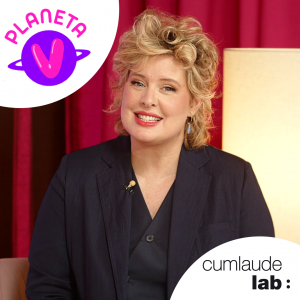
Tania Llasera
@taniallasera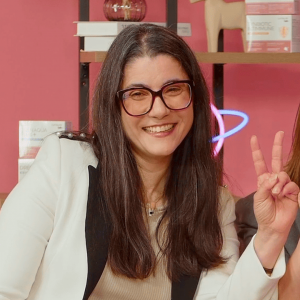
Miriam Al Adib
@miriam_al_adib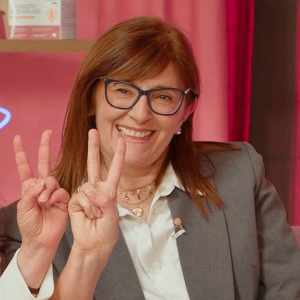
Matilde Gómez
@dr.matildegomez
What is perimenopause?
Perimenopause is the great unknown when it comes to women’s health. It is the stage that precedes the menopause, a period of hormonal changes that can begin much earlier than you might imagine… as early as the age of 35! But why does hardly anyone talk about this? Many women spend years without realising what’s happening to them, mistaking the symptoms for something else or simply believing that ‘it’s normal’. And here’s the important bit: there’s no single way to experience perimenopause. The average age for the onset of the menopause is between 45 and 50, but the changes can start much earlier.
{Image1}
Perimenopause vs. Menopause vs. Climacteric Syndrome: What’s the difference?
These terms are often confused:
- Perimenopause: This is the transition towards the menopause. It can last several years and is when the first hormonal changes and symptoms begin to appear.
- Menopause: This is defined as the point at which a woman has gone 12 consecutive months without a period. It marks the end of the fertile stage.
- Climacteric syndrome: This encompasses all the physical and emotional symptoms that may occur during perimenopause and menopause, such as hot flushes, insomnia, mood swings or vaginal dryness.
{Image2}
The symptoms of perimenopause: Tania Llasera’s experience
Every woman experiences perimenopause differently, but Tania Llasera, the podcast presenter, has shared the first symptoms she has noticed in her body:
- Irregular periods (shorter, longer, missed periods…)
- Hot flushes
- Brain fog (difficulty concentrating, forgetfulness)
- Vaginal and vulvar dryness (and itching)
- Insomnia
- Heart palpitations
- Changes in libido
{Image3}
5 key tips to improve your wellbeing during perimenopause
If there’s one thing we’re clear about in the new series of the Planeta V podcast, it’s that information is power. Here are some key tips for getting through this stage with greater wellbeing:
- Consult specialists
Don’t just accept “it’s normal”. A gynaecologist or hormonal health specialist can help you understand what’s happening in your body. - Look after your daily habits
Diet, exercise, sleep quality and stress management directly influence your quality of life. - Make use of dietary supplements There
are specific supplements that can help improve your wellbeing during this stage. Always check with a chemist or a healthcare professional. - Moisturise your intimate area. Vaginal
dryness not only affects your sex life, but also your everyday comfort. Using suitable intimate moisturisers and lubricants makes all the difference. - Don’t just put up with feeling uncomfortable.
Discomfort isn’t something you simply have to accept. There are solutions for hot flushes, dryness, insomnia and much more. Find out more and take action!
Want to find out more?
Press play and don’t miss the first episode of Planeta V on YouTube or Spotify, where we talk to experts about perimenopause without holding back.