
Planet V
Diet during perimenopause
- Planet V
- 35 min.
Meet our guests from Planeta V!
Joining us today is Bárbara Munar, a dietitian specialising in hormonal health and the menopause.
And joining her is Carla Romagosa, a nutritionist specialising in women’s health.
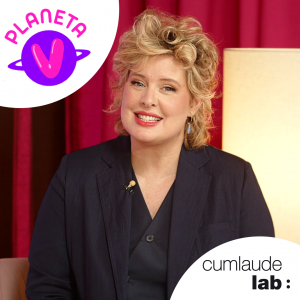
Tania Llasera
@taniallasera
Carla Romagosa
@carla_romagosa
Bárbara Munar
@hablandodenutricion
You know that moment when everything suddenly changes and you’re not sure whether it’s down to you or your hormones?
Don’t worry, you’re not alone. Perimenopause is that stage when our bodies start signalling that changes are on the way… and one of the issues that raises the most questions is diet.
Spoiler: you don’t need to go on a diet, and certainly don’t need to feel guilty about eating that piece of chocolate. Let’s talk about how to really look after ourselves, without myths and without guilt.
Forget restrictive diets: your body needs more, not less
For years we’ve been told that to be healthy we had to eat less and count calories. Wrong. During perimenopause, what your body needs is to broaden your range of foods, not restrict it.
When we start denying ourselves things, all we achieve is more anxiety, more hunger and a greater sense of failure if we ‘break the diet’. Eating a variety of foods, in a balanced way and without guilt, is the real key.
Protein, your best ally
One thing many people don’t realise is that during perimenopause we lose muscle mass. And, my friend, muscle is the organ that burns the most energy, even whilst we’re asleep.
The solution? Make sure every meal includes high-quality protein:
- Meat, fish, eggs
- Pulses
- Nuts
- Dairy
A simple tip: measure the amount of protein using your hand. Yes, it’s as easy as that.
Metabolism and hunger: understanding the changes
‘Why am I putting on weight just by looking at a croissant these days?’ The truth is that our metabolism doesn’t change overnight. What happens is that, as we lose muscle mass, we burn less energy and that extra energy is stored as fat.
What’s more, our hunger and satiety hormones become out of balance, which can make us feel hungry more often. That’s why it’s so important to listen to your body, eat slowly and chew your food thoroughly. In fact, chewing each mouthful between 25 and 50 times helps regulate the feeling of fullness.
The basics for your meal
The basis of a healthy diet during perimenopause is straightforward:
- Fruit and vegetables
- Wholemeal grains
- Pulses
- Nuts
- Dairy products
- Animal or plant-based proteins
There are no forbidden foods, just better choices depending on how they make you feel.
Happy gut microbiota, happy body
Did you know that 70 per cent of our immune cells are in the gut? If you’ve been experiencing indigestion, wind or bloating recently, your gut microbiota may be out of balance – something very common at this stage due to hormonal changes.
What can you do?
- Chew your food thoroughly and eat more slowly.
- Opt for fresh and varied foods.
- Include natural probiotics and, if needed, supplements to help look after your microbiota.
A healthy gut microbiota also helps to alleviate symptoms such as hot flushes.
Which supplements can help you during perimenopause?
Some supplements recommended during this stage (always in consultation with your specialist) are:
- Vitamin D3: strengthens the immune system, helps reduce inflammation and promotes calcium absorption into the bones.
- Magnesium: for muscle and nervous system balance.
- Omega-3: helps reduce inflammation.
In summary
Perimenopause is not a punishment, nor is it the time to ‘go on a diet’. It’s the time to listen to your body, look after yourself with self-love, and understand that your diet can be your greatest ally at this stage.
Because it’s not about eating less, but about eating better and more mindfully. And yes, giving yourself permission to enjoy everything, even that dessert you love so much.
