Planet V
Am I going mad, or is it perimenopause?
- Planet V
- 35 min.
Meet our guests from Planeta V!
Joining us today is Patricia Ramírez, better known on social media as Patri Psicologa. She is an expert in emotional wellbeing and will be sharing some practical tips to help us navigate this phase without it overwhelming us.
Joining her is Jennifer Verhelle, director of Cumlaude Lab. She is a health communicator, specialising in women’s health, sexual function and the pelvic floor.
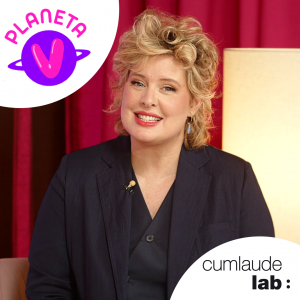
Tania Llasera
@taniallasera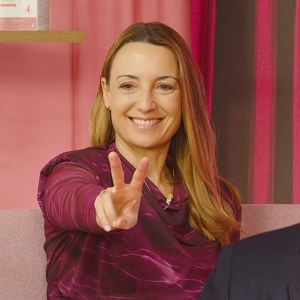
Patri Psicoóloga
@patri_psiologa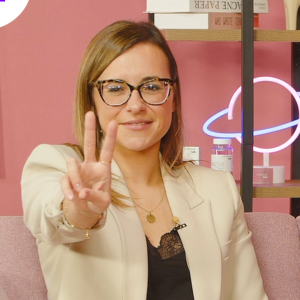
Jennifer Verhelle
@jenn.verhelle
How does perimenopause affect our mental and emotional health?
Perimenopause and the menopause aren’t just felt in the body: they also directly affect how we think, feel and relate to others. Hormonal changes, tiredness, sleep disturbances or changes in sexual desire… it’s all intertwined. And if we don’t talk about it, it becomes even more of a struggle.
In this episode, presented by Tania Llasera, we explore how this stage affects our mental and emotional health, and reveal the best tips for living this third of our lives in the best possible way.
What happens to our brain?
The drop in oestrogen directly affects our brain:
- In the hypothalamus, it disrupts temperature regulation, causing hot flushes.
- In the hippocampus, it affects memory.
- And it also affects the neurotransmitters that regulate mood:
- Serotonin → Affecting emotional wellbeing
- GABA → Making it harder to relax and sleep
- Acetylcholine → Affecting memory and concentration
All of this can lead to forgetfulness, irritability, insomnia or a general feeling of being ‘out of sorts’.
What habits help maintain emotional balance during perimenopause?
Although we cannot prevent the drop in hormone levels, we can lay a solid foundation for looking after our mental health:
- Rest and sleep well: there are dietary supplements that can help you. Serotogyn Nocta promotes restful sleep: it helps you fall asleep and stay asleep throughout the night. And if you add a good orgasm to that… all the better!

- Regular exercise: particularly strength training and mind-body connection.
- Check our thoughts: accept that not everything can be controlled.
- Avoid comparing ourselves on social media.
- Talk to friends and normalise how we feel.
- Work on your sense of humour: laughter is therapy too.