Planet V
Myths and truths about periods
- Planet V
- 22 min.
Meet our guests from Planeta V!
Carol Strate, a gynaecologist, obstetrician and women’s health advocate on her Instagram account @alumbramujer, and Xusa Sanz, a nurse, health educator and nutritionist specialising in women’s hormonal health, and author of the book *The Menstrual Revolution*.
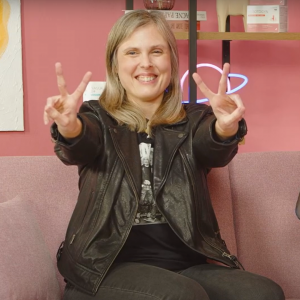
Xusa Sanz
@soyxusasanz
Boticaria García
@boticariagarcia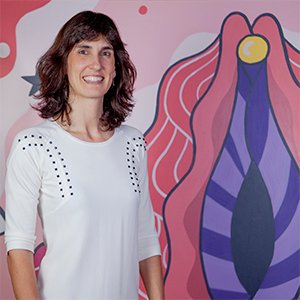
Carol Strate
@alumbramujer
Did your grandmother also tell you, “Don’t go swimming in the pool when you’ve got your period – it’ll stop it coming!”? You’ll have realised that this is just another myth about periods that we need to dispel by providing information and raising awareness about women’s intimate health.
The thing is, our period arrives one day without warning (at 11, 12 or 13) and we’re told four practical things that simply aren’t enough. Bearing in mind that menstruation will be part of our lives for so many years, don’t you think it should stop being such a mystery?
In this Planeta V podcast, we’ve tried to raise awareness of periods and provide information to dispel myths and share the facts, with the help of two leading professionals: Carol Strate, a gynaecologist, obstetrician and women’s health advocate on her Instagram account @alumbramujer, and Xusa Sanz, a nurse, health educator and nutritionist specialising in women’s hormonal health, and author of the book *La revolución de la menstruación* (The Menstrual Revolution).
Menstrual cycles last between 25 and 35 days
As you’ll see or hear in the podcast, the first point we clarified was regarding the duration of the menstrual cycle. Many of us think that all menstrual cycles must be the same and last 28 days, but this isn’t the case. Menstrual cycles lasting between 25 and 35 days are considered normal. And whilst these cycles should follow a pattern, this doesn’t mean they have to be identical. It’s important that we observe ourselves, take notes and keep track of our cycle.
Having your period is not the same as ovulating
Another myth we’re debunking is the idea that having your period means you’re ovulating. The vast majority of women answer ‘yes’ to this question, but it’s important to realise that bleeding isn’t the same as menstruating. Menstruation is the result of ovulation, but you can have a cycle in which you haven’t ovulated, yet you have still bled. Have a listen to the podcast, as Xusa Sanz explains it in detail.
Mood swings do not occur during menstruation
But that’s not all. Together with gynaecologist Carol Strate and nutritionist Xusa Sanz, we discuss why it’s not normal to experience debilitating pain during your period, as well as the hormonal changes we go through during this time. You’ll be interested to know that during your period, hormone levels are at their baseline, so to anyone who says, ‘You’re in such a mood – are you on your period?’, you can tell them that mood swings usually occur during the week leading up to your period, which is when the shift between oestrogen and progesterone takes place, and this hormonal imbalance can cause emotional ups and downs.
Periods don’t synchronise among women
And, amongst many other debunked myths, we couldn’t leave this one out: periods ‘stick together’ and women synchronise their cycles when they’re around each other. Well, although it may happen occasionally, there’s no scientific evidence that this occurs. Ovulation varies, and, in the end, your period might just happen to coincide with a friend’s, but… it’s still a myth!
If you want to find out more, don’t miss the podcast, as there’s a lot of information about periods that we still take for granted but which isn’t actually correct. You’ll be surprised!
Our recommendation
Which products do we recommend for looking after your intimate health during your period? Of course, our CLX Intimate Hygiene range to cleanse and protect your intimate area. It’s particularly recommended during your period thanks to its chlorhexidine formula, which rebalances the microbiota and protects the area.
Another product you might find useful is Mucus to help you insert your menstrual cup or even a tampon. If you experience pain when inserting it, this water-based lubricant will make it easier.
And finally, if you experience discomfort such as a burning or stinging sensation before or after your period due to vaginal dryness, we recommend using our Internal Moisturiser to hydrate the vaginal area.