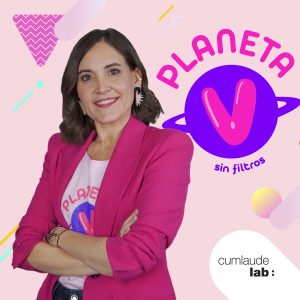
Do you know why we’ve called this podcast ‘Endometriosis – what’s that?’? Because, although endometriosis has been recognised as a chronic condition for years, for most women it remains an unknown condition, to the extent that many of those who have it don’t even realise it. In fact, perhaps you, the reader, are only finding out about it today.
As you’ll see in the video podcast, they told us that endometriosis is a chronic inflammatory condition whose main symptom is pelvic pain, often associated with menstrual periods. That is why women who suffer from severe period pain (which, let’s remember, is NOT normal, as periods shouldn’t be painful) often only discover years later that they have endometriosis. But reaching this diagnosis is no easy task either, as endometriosis is a condition that is often diagnosed late.
However, 20 per cent of women diagnosed are under the age of 20, so it is important to provide information and raise awareness, as the sooner this condition is detected, the sooner action can be taken.
The fact is that, in Spain today, 10 per cent of women of reproductive age suffer from endometriosis. This figure equates to 2 million Spanish women. That’s an outrageous figure! And even more so when we consider that many women are underdiagnosed and there are many misdiagnoses, as the symptoms of endometriosis are similar to those of digestive or urinary disorders.
Main symptoms of endometriosis
90 per cent of women with endometriosis experience severe, cyclical and chronic menstrual pain (dysmenorrhoea), as Xusa Sanz explains in the Planeta V podcast. This is, therefore, the main symptom associated with endometriosis.
However, 10 per cent of these women do not suffer from dysmenorrhoea, so there is a range of other symptoms that need to be addressed, such as pain during sexual intercourse, pain when passing stools, pain when urinating, as well as digestive discomfort.
Causes of endometriosis
There is no single cause that can fully explain the condition, but it is known, as Claudia Brassesco explains, that endometriosis is multifactorial, involving genetic, hormonal and immune factors…
If we were to list risk factors for endometriosis, we would need to consider any factor that increases oestrogen levels, such as the onset of menstruation at an early age – as this means more years of exposure to oestrogen – as well as not having children, having a late pregnancy, or not breastfeeding… any factor that might increase these years of exposure, as endometriosis is a progressive condition.
Diet: a great ally in the fight against endometriosis
Taking advantage of the fact that we have three nutritionists with us – Boticaria García, Xusa Sanz and Claudia Brassesco – we wanted to discuss how diet can help reduce inflammation. Here are some tips!
Our recommendation
As always, here’s our product recommendation. In this case, if you suffer from endometriosis, we recommend a vulvar moisturiser to soothe the external genital area. You might find either Hydra Spray – a 360° vulvar mist that’s very simple and convenient to apply, and which also soothes itching and irritation in just 5 seconds – or Hydra Oil, if you’re a fan of natural oils, to be just the thing. If you apply it at night, before going to bed, it will regenerate and moisturise your skin.
Also, you may experience pain during sexual intercourse due to endometriosis, caused by a lack of lubrication. In this case, our Mucus lubricant is your best friend. You’ll love it!
- Eat foods rich in omega-3: oily fish, nuts, and seeds such as flax, chia and hemp…
- Increase your intake of antioxidants through your diet by including fruit, vegetables…
- Cut out alcohol, as it inhibits aromatase, weakens the immune system and blocks the liver’s detoxification pathways.